

Top Off-Market Investment Properties in San Diego Real Estate Investors Can Access in 2026
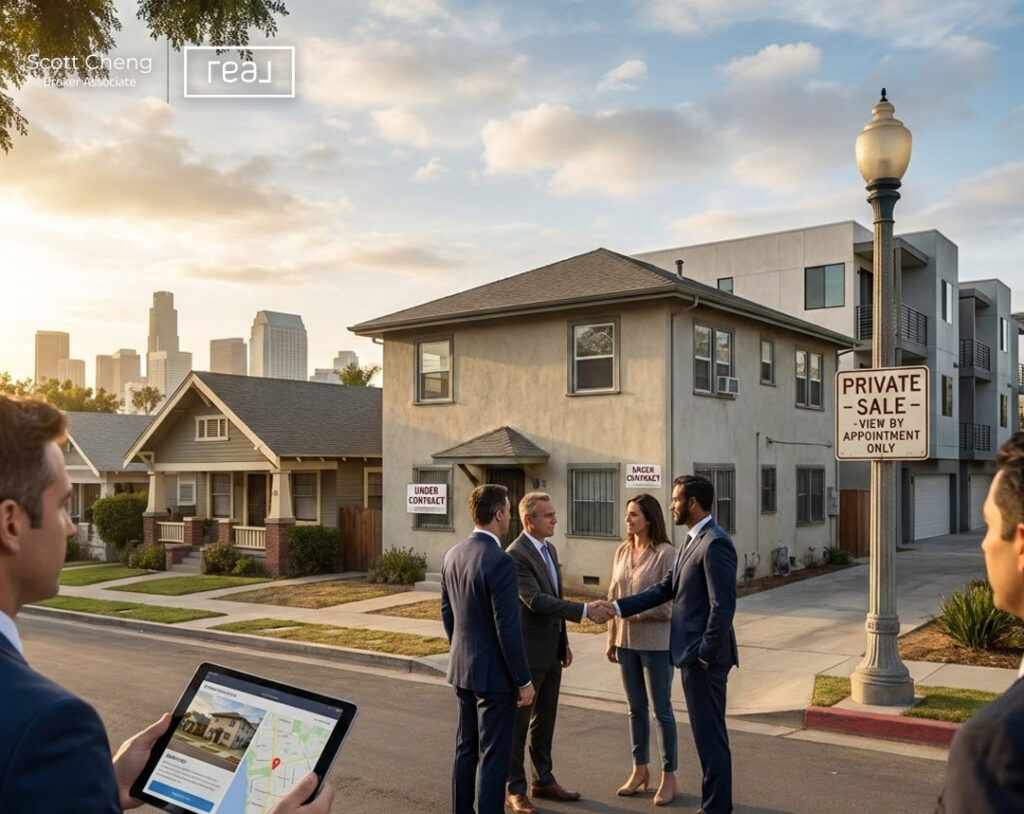
Top Off-Market Investment Properties for San Diego Real Estate Investors 2026: How to Access High-Cap-Rate Deals in City Heights or Barrio Logan Before Public Listings
Top off-market investment properties for San Diego investors in 2026: how do you access high-cap-rate deals in City Heights or Barrio Logan before they hit public listings?
You access them by targeting small multifamily in City Heights and Barrio Logan, building direct-to-owner and property manager pipelines, and moving fast with preapproved financing, letting you capture 6 percent plus caps before MLS exposure.
Why is the San Diego investment property market so competitive in 2026?
San Diego’s rental market remains one of the tightest in California, with only 1.8 months of supply — making off-market deal flow essential for investors who want quality assets at reasonable prices.
You are operating in a tight market where speed and certainty win. Local MLS and association data show about 1.8 months of supply, far below a balanced level. The median sale price hit roughly 875,000 dollars in early 2026 after a modest 2024 correction, and rents average around 2,300 dollars with vacancies near 3.6 percent. That mix favors off-market deal flow because quality assets often trade before full exposure. If you want real cash flow, you need access where others do not look. You will see similar dynamics in nearby National City, so your sourcing playbook must be portable. When you pair a disciplined underwriting model with a fast-close posture, you can lock solid cap rates in City Heights or Barrio Logan while the broader market hesitates.
What do you need to know before hunting off-market deals in San Diego in 2026?
You should walk in with clear buying criteria and a repeatable outreach process before approaching any seller — without these, you will lose deals to investors who move with more certainty.
The goal is to secure properties with minimal competition, then force appreciation with targeted improvements and optional ADUs under San Diego’s incentive framework, as outlined in the HCD ADU Handbook.
- Inventory remains tight at roughly 1.8 months, so off-market channels often deliver better pricing and terms than public listings.
- City Heights and Barrio Logan offer average caps in the mid to high 5s, with City Heights typically leading on yield due to older stock and value-add upside.
- Rents average about 2,300 dollars citywide, with median two-bed rents around 2,100 to 2,400 dollars in these submarkets.
- Vacancy around 3.6 percent supports stable absorption, especially for renovated workforce units.
- You should prepare for rate stickiness and buyer caution, which creates room to negotiate if you bring certainty of close.
- San Diego’s ADU Incentive Program waives select fees through late 2026, so you can underwrite ADU potential as a profit lever.
- You will need a property manager aligned with small multifamily to stabilize quickly and execute lease-up plans.
Action items you should prioritize:
- Lock your financing profile: agency debt for stabilized, local banks for bridge, and consider CalCap for higher leverage on value-add.
- Prearrange insurance, property management, and a renovation scope so you can submit clean offers in days, not weeks.
- Track local permitting timelines for ADUs and cosmetic renovations so your pro forma reflects realistic velocity.
Local Compliance Snapshot
You should verify zoning and any transit-oriented overlays before offering. Many parcels in City Heights and Barrio Logan allow gentle density increases, and your team can often add bedrooms, laundry, or micro-ADUs that lift net income without overbuilding.
How do City Heights, Barrio Logan, and National City compare for investment returns?
Each submarket has a distinct cap rate profile and value-add runway — City Heights leads on day-one yield, Barrio Logan offers rent premium upside, and National City delivers the most affordable entry point.
You should compare submarkets by in-place income, renovation runway, and the ease of sourcing motivated sellers. Match your plan to the street and building type.
City Heights:
- Typically the cash flow leader, with average cap rates around 6.3 percent and median purchase figures near 525,000 dollars for smaller assets.
- Diverse tenant base with strong transit access and steady demand for renovated 1 to 3 bed units.
- Older stock creates consistent value-add plays, from unit refreshes to ADUs in deep lots.
Barrio Logan:
- Emerging arts and maker district with walkability scores above 80 and proximity to Downtown employment.
- Average cap rates around 5.8 percent, with stronger rent premiums for loft-style finishes and covered parking.
- Warehouse to loft conversions nearby can lift comps, but you should watch construction cost variance.
National City:
- Slightly lower pricing with average caps near 5.2 percent and median purchase around 485,000 dollars for entry points.
- Older multifamily stock and industrial adjacency create dependable workforce housing demand.
Key factors to evaluate:
- Yield versus path of growth: City Heights may post higher day-one yields, while Barrio Logan offers rent premium and appreciation potential if you deliver design-forward finishes.
- Capex timing and contractor access: You should verify vendor capacity and realistic timelines so turns do not drift beyond pro forma.
- Exit optionality: You want comps that support a refinance at improved DSCR or a 1031 exit, so track per-unit pricing trends and rent control frameworks for risk management using FHFA metro HPI reports.
How do you source off-market San Diego investment deals step by step?
Building a repeatable off-market pipeline requires a systematic daily process that blends data, direct outreach, and professional referral networks — treat it like a sales operation.
You should run a daily pipeline system that blends data, outreach, and professional networks. Refine every week.
1) Define your buy box
- Unit count: 2 to 10 units.
- Target cap rate: 6 percent plus on actuals or day-one stabilized within 90 days.
- ADU potential: flag lots with alley access or deep rear yards.
2) Build your owner list
- Pull title data and tax rolls for 2 to 10 unit parcels in City Heights and Barrio Logan.
- Segment by hold period, absentee status, or recent notice filings.
3) Direct-to-owner outreach
- Mail and call with a specific offer range and a 14-day due diligence promise.
- Offer clean terms: short contingencies, proof of funds, and a flexible rent-back.
4) Property manager alliances
- You should partner with managers who run 100 to 1,000 doors in these zip codes.
- Ask for quiet listings from landlords who want low-friction exits.
5) Broker pocket lists
- Stay top of mind with a small circle of top real estate brokers in San Diego who specialize in small multifamily.
- You will want relationships with top real estate agents in San Diego who consistently trade 2 to 10 units.
6) Attorney and CPA referrals
- Let probate, trust, and dissolution attorneys know your buy box and closing certainty.
- Many off-market sales originate from estate and partnership events.
7) Contractor and vendor tips
- Roofers, pest firms, and plumbers often hear sell signals early.
- Offer referral bonuses that comply with local rules.
8) Fast underwriting templates
- Underwrite on the spot with 35 to 45 percent expense ratios, 3.6 percent vacancy, and realistic taxes and insurance.
- Model rent lifts by unit type, laundry, parking, and RUBS.
9) Clear renovation playbook
- Prebid common turns, exterior paint, lighting, fencing, and landscaping that boost curb appeal.
- Plan ADUs only where permitting and budget support an 8 to 10 percent cash on cash.
10) Weekly review cadence
- Track outreach volume, response rate, and signed NDAs.
- Refine your approach every week until you reach two to three serious conversations at any time.
What do off-market San Diego investment properties actually look like in 2026?
Expect classic stucco fourplexes, 6 to 8 unit courtyard buildings, and 1920s to 1960s bungalows with ADU potential — the best opportunities are rarely obvious from the street.
Your underwriting should be conservative on taxes and insurance, yet opportunistic on unit turns that add storage, laundry, and modern kitchens.
Recent off-market style opportunities that fit a 2026 profile:
- City Heights: an 8 unit value-add around 1.9 million dollars at roughly a 6.8 percent cap on stabilized year one after light renovations. Upside from RUBS, laundry, and selective kitchen-bath refreshes.
- Barrio Logan: a 4 unit near creative corridors around 1.2 million dollars at about a 6.2 percent cap with a parking conversion plan and exterior enhancements.
You should confirm any ADU feasibility against current city guidelines. The ADU Incentive Program waives certain fees through late 2026, which can turn a rear yard build into a strong yield booster. For transit and commute patterns, City Heights benefits from frequent bus and trolley access, while Barrio Logan’s proximity to employment hubs and I-5 makes renovated stock highly competitive for young professionals.
Neighborhoods to consider in San Diego:
- City Heights: Best for immediate cash flow with average cap rates near the low 6s, median two-bed rents around 2,100 dollars, and entry pricing that supports value-add.
- Barrio Logan: Best for walkability and design-forward repositioning, with median two-bed rents near 2,400 dollars and strong lifestyle appeal close to Downtown.
- National City: Best for budget-minded buyers who still want multifamily scale, older buildings, and predictable workforce demand.
Nearby Areas Worth Exploring
You might also compare adjacent hubs that share rental demand drivers and similar permitting dynamics. North Park delivers strong rents and faster ADU timelines for well-located parcels, which can offset slightly lower day-one caps. National City offers approachable pricing with steady workforce tenants and solid access to employment corridors. Chula Vista expands your small multifamily universe at scale, with a broad tenant base and property types that range from classic fourplexes to larger garden-style assets. If you want more appreciation weight, North Park gives you lifestyle premiums. If you want pure yield, National City and select pockets of Chula Vista keep you competitive.
- North Park: Popular with young professionals who value walkability, so you can underwrite premium rents after high quality turns.
- National City: Lower entry price points and dependable tenant demand, a practical extension of a City Heights or Barrio Logan search.
- Chula Vista: Larger inventory base and varied product, good for investors scaling to 10 units and beyond.
What common mistakes do San Diego investors make with off-market deals?
The most costly mistakes are waiting for MLS listings, trusting optimistic pro formas, and underestimating ADU permitting timelines — each one can destroy your projected returns.
You might assume the best deals show up on the MLS if you just wait, yet the most compelling cap rates often trade off market because sellers want speed and discretion. You could also fall for glossy pro formas that assume top-of-market rents and zero delays. In reality, you should price in a sensible lease-up timeline and real operating costs. Many investors underbudget capex that matters most to tenants, like in-unit laundry, secure parking, and fences that define private outdoor space. You should also misjudge permitting velocity for ADUs and minor conversions. Timelines usually run 4 to 8 months depending on neighborhood and scope, so your cash flow plan must bridge the construction period. Another mistake is treating management as an afterthought. You should align with a property manager skilled in workforce housing and ADUs before you go under contract. When you respect these realities, you set realistic returns and still win competitive deals.
Frequently Asked Questions
How do you actually find off-market small multifamily in City Heights or Barrio Logan?
You combine owner lists, property manager referrals, and broker pocket inventory. You should mail and call owners with a clear buy box and flexible terms, and you should keep two to three top real estate brokers in San Diego updated weekly so you get the first call on quiet listings.
What cap rates should you expect in 2026 for these San Diego submarkets?
You should target 6 percent plus on day-one or near-term stabilized in City Heights, about the mid 5s to high 5s in Barrio Logan depending on finishes and parking. National City tends to sit a bit lower than City Heights but can rival it when you add ADU income or implement RUBS.
Does this off-market investment advice apply to North Park or National City too?
Yes, with minor adjustments. In North Park you should expect slightly tighter caps but faster lease-up at premium rents after upgrades. In National City you should underwrite more conservatively on expenses and verify older mechanicals, yet you can often secure better basis and dependable workforce demand.
What financing works best for off-market deals you want to close quickly?
You should match financing to the business plan. For light value-add, local bank bridge at 65 to 70 percent loan to value with renovation proceeds can close quickly. For stabilized assets, agency debt around 75 percent loan to value with fixed terms works well. CalCap can help when you want higher leverage.
How do you underwrite an off-market deal quickly without missing key risks?
You should use a template with conservative assumptions: 35 to 45 percent operating expense ratio, 3.6 percent vacancy, tax reassessment at purchase price, realistic insurance, and tiered rent growth. Price out a 10 to 20 percent renovation budget for value-add. Always verify zoning, ADU feasibility, and parking.
The Bottom Line
You can secure top off-market investment properties in 2026 by focusing on small multifamily deals in City Heights and Barrio Logan, then moving decisively with direct-to-owner outreach and prearranged financing. City Heights often leads on day-one cash flow, while Barrio Logan offers premium rent potential with design-forward renovations. The broader San Diego market remains supply-constrained, so private pipelines give you a real edge. Whether you are buying in these target areas or also exploring North Park and National City, the same principles apply: define your buy box, build your sourcing network, underwrite conservatively, and act fast with clean terms.
If you are ready to explore your options for off-market multifamily in San Diego or nearby communities, Scott Cheng at Scott Cheng San Diego Realtor can walk you through the specifics for your situation.
📞 858-405-0002
DRE# 01509668