Is Buying a Home in Carmel Valley San Diego Worth It for Families in 2026?
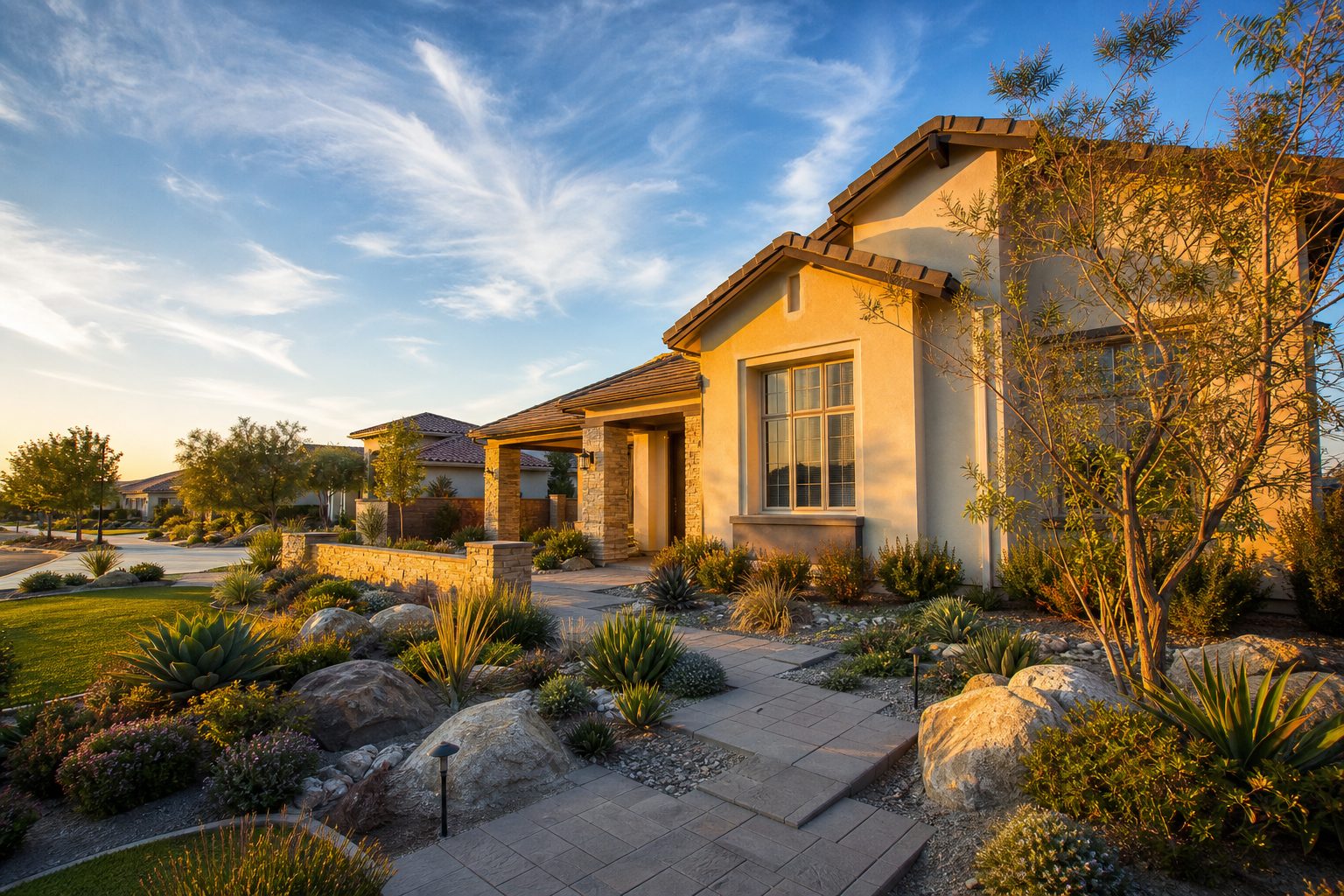
Are the Mello-Roos taxes and HOA fees in Carmel Valley going to eat into your budget more than renting would, or is buying here still a smart long-term play for your family?
For most families planning to stay five or more years, buying in Carmel Valley still builds meaningful wealth, even after factoring in Mello-Roos and HOA costs, because rents here are rising, your mortgage stays fixed, and equity accumulation is real.
Why This Matters for Carmel Valley Families Right Now
The San Diego County median home price reached $1,085,000 in June 2026, up 5.9% year over year. But Carmel Valley sits well above that number, with a median around $1.35 million. That’s a significant commitment for any family.
Here’s the thing that makes this moment different: inventory across San Diego is up roughly 24% year over year, mortgage rates have eased into the 6.0% to 6.8% range, and the market is more balanced than it’s been in years. You actually have room to negotiate.
What I tell my clients is this: a cloudy mind can’t make decisions. So rather than guessing whether Mello-Roos and HOA fees will “ruin” your budget, let’s lay out every number side by side. Once you can see the full picture clearly, the right move usually becomes obvious.
What Mello-Roos Actually Costs You in Carmel Valley
Mello-Roos is one of the most misunderstood costs in San Diego real estate. It’s a special tax created under the Mello-Roos Community Facilities Act of 1982, designed to fund the infrastructure, parks, schools, and roads that make master-planned communities like Carmel Valley so livable in the first place.
Carmel Valley is a Mello-Roos community, alongside 4S Ranch, Pacific Highlands Ranch, Del Sur, and Santaluz. In active Community Facilities Districts across San Diego, most buyers pay between $1,200 and $6,000 per year. A typical Carmel Valley home carries roughly $3,600 per year, which adds about $300 per month to your housing costs.
How Mello-Roos Affects Your Total Tax Rate
In neighborhoods without Mello-Roos, your effective property tax rate runs about 1.05% to 1.10% of your purchase price. In Carmel Valley’s newer sections, that rate can climb to 1.20% to 1.45%. On a $1.35 million home, that difference means roughly $200 to $400 more per month compared to an older San Diego neighborhood.
But here’s what many families miss: Mello-Roos assessments expire. They end once the underlying bonds are paid off, typically 20 to 40 years from the district’s formation. Many Carmel Valley CFDs are already well into their repayment schedules. I always pull the actual tax bill and the CFD’s official statement for my clients so they know exactly how many years of Mello-Roos remain on a specific property. That number changes the math significantly.
Also worth noting: for 2026, the SALT deduction cap was raised to $40,000 per year (up from $10,000), which may allow more California homeowners to capture some tax benefit, though many will still approach the cap given California’s state income tax.
HOA Fees in Carmel Valley: What You’re Really Paying For
HOA fees vary widely across Carmel Valley’s 20-plus sub-communities. Here’s a realistic breakdown by property type:
- Single-family homes in planned communities: Typically $100 to $300 per month for the master HOA
- Townhomes and condos: Usually $250 to $500 or more per month, often covering exterior maintenance, pools, and clubhouse access
- Gated luxury communities (like Rancho Pacifica): Can exceed $400 to $600 per month
One family I worked with was comparing a $1.1 million townhome with a $385 monthly HOA to a $1.4 million single-family home with a $175 master HOA. On paper, the townhome looked cheaper. But once we added the HOA difference over ten years, plus the slower equity growth that condos and townhomes have experienced in 2026, the single-family home was the stronger financial position. That’s the kind of analysis that changes outcomes.
It’s also important to know that in San Diego’s 2026 market, detached homes are holding their value while older condos have slipped about 10 to 15 percent under pressure from rising HOA dues, SB 326 inspection costs, and higher insurance premiums. If you’re buying a condo or townhome, factor those trends into your long-term plan.
The Real Buy vs. Rent Math in Carmel Valley San Diego
So let’s put the full picture together. Here’s what buying a $1,350,000 single-family home in Carmel Valley looks like with 20% down at a 6.5% rate:
- Mortgage payment ($1,080,000 loan): Approximately $6,826 per month
- Property tax (1.1% base rate): Approximately $1,238 per month
- Mello-Roos (estimated $3,600 per year): Approximately $300 per month
- HOA (single-family master HOA): Approximately $150 to $300 per month
- Homeowner’s insurance: Approximately $200 to $350 per month
- Estimated total monthly cost: Roughly $8,714 to $9,014
Now compare that to renting a similar three- to four-bedroom home in Carmel Valley, which currently runs $4,500 to $7,000 per month depending on size and condition.
Yes, buying costs more on a monthly basis. But here’s what that comparison doesn’t capture: your mortgage payment stays fixed while rents increase. You’re building equity. And San Diego County home prices have appreciated steadily, with moderate growth of 2% to 4% expected through the end of 2026.
If you’re planning to stay five years or longer, that equity accumulation and the locked-in payment typically outweigh the monthly premium, even with Mello-Roos and HOA costs.
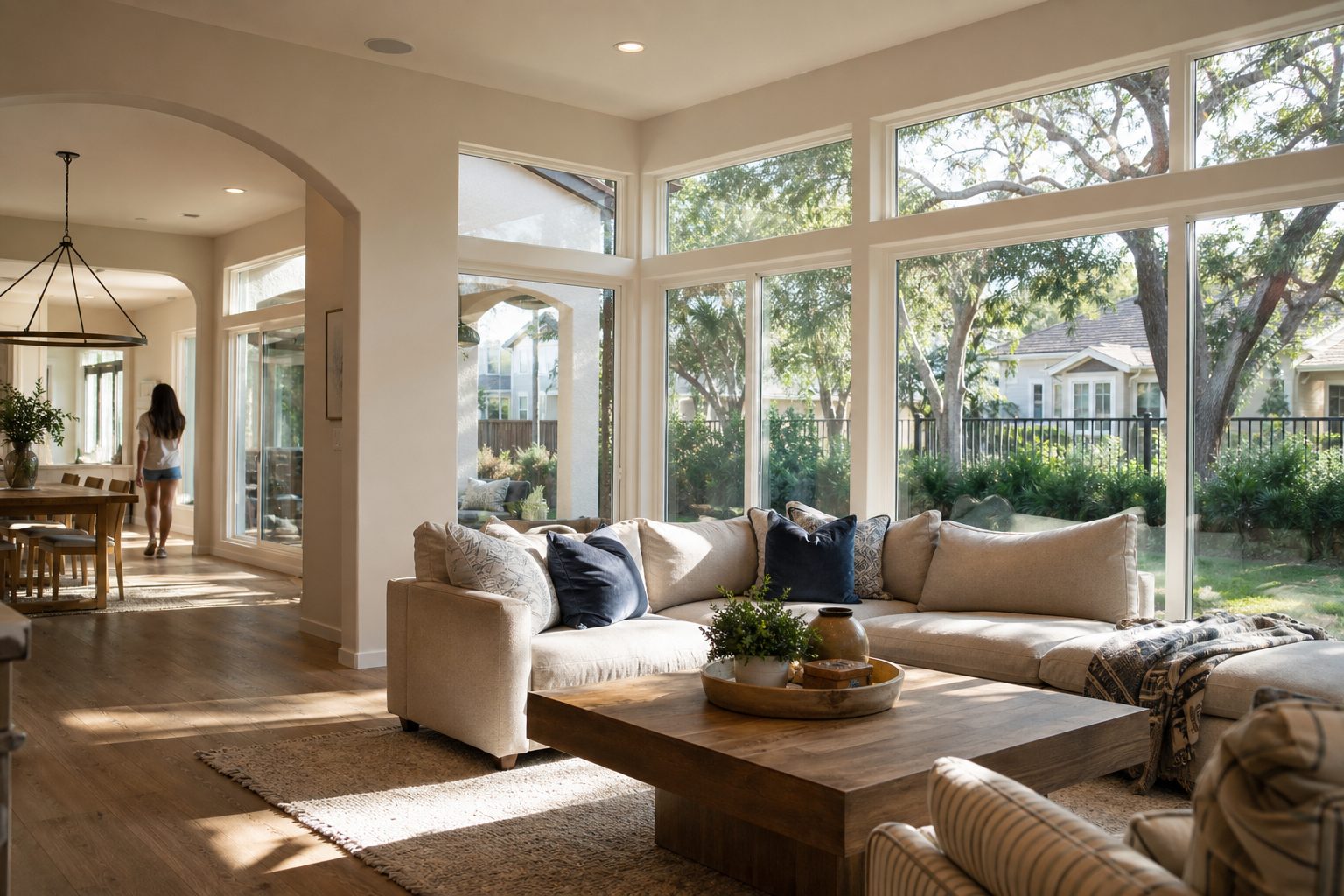
Why Families Keep Choosing Carmel Valley Over Other San Diego Neighborhoods
What makes Carmel Valley command these prices? Schools, plain and simple. Your kids would attend schools in the Del Mar Union School District and San Dieguito Union High School District, including Sage Canyon Elementary, Carmel Del Mar Elementary, Earl Warren Middle School, Canyon Crest Academy, and Torrey Pines High School. These consistently rank among the top schools in all of California.
Compare that to North Park, where the median sale price is around $850,000 but schools rate closer to the San Diego Unified average. Many families in North Park end up paying for private school, which can easily add $15,000 to $30,000 per year per child. Suddenly, Carmel Valley’s premium doesn’t look so steep.
Beyond schools, Carmel Valley Community Park hosts year-round family events, the trail system connects neighborhoods to shopping and schools, and One Paseo provides a walkable village with restaurants, shops, and a Whole Foods. The beach is a ten-minute drive. The I-5 and I-56 give you direct access to the Sorrento Valley biotech corridor and downtown San Diego.
Having closed over 275 transactions across San Diego County over the past 18 years, I’ve watched Carmel Valley prove itself through every market cycle. Most neighborhoods are fully built out, which means new construction is rare and supply stays tight. With just 0.87 months of supply and a sale-to-list ratio of 98.19%, buyer demand here isn’t slowing down.
How to Protect Your Budget When Buying in Carmel Valley
Before you write an offer on anything, here’s my approach with every buyer I work with:
- Pull the actual Mello-Roos amount. Don’t estimate. The San Diego County Assessor maintains a complete list of active CFDs for each fiscal year. I request this for every property my clients consider.
- Read the HOA financials. Look at reserves, upcoming special assessments, and whether dues have increased recently. A low HOA today with underfunded reserves can mean a surprise special assessment tomorrow.
- Get pre-approved at the all-in number. Your lender counts property tax, Mello-Roos, and HOA dues in your debt-to-income ratio. Make sure you qualify at the real monthly cost, not just the mortgage.
- Take advantage of the complimentary attorney review I offer. Every buyer I represent receives a contract and disclosure review by an attorney, covered by me, even if escrow cancels. That extra layer of protection costs you nothing.
One couple relocating from the Bay Area for biotech jobs had their hearts set on Pacific Highlands Ranch but hadn’t accounted for Mello-Roos. Once we mapped out the total monthly cost, we shifted focus to an established Carmel Valley neighborhood where the CFD was fifteen years into its bond payoff. They saved over $200 per month on the Mello-Roos alone, and the home was closer to Earl Warren Middle School, which was their top priority for their son entering sixth grade.
Frequently Asked Questions About Buying in Carmel Valley San Diego
How much is Mello-Roos in Carmel Valley per month?
Most Carmel Valley homes carry Mello-Roos assessments between $1,200 and $6,000 per year, which translates to roughly $100 to $500 per month. A common estimate is around $300 per month, but the exact amount depends on the specific Community Facilities District your property falls within. Always pull the actual tax bill before making assumptions.
Do all homes in Carmel Valley have HOA fees?
Not every home, but most do. Carmel Valley is a master-planned community, so the majority of properties fall under at least one HOA. Single-family homes typically pay $100 to $300 monthly, while condos and townhomes range from $250 to $500 or more. A small number of detached homes sit outside any HOA.
Does Mello-Roos ever go away?
Yes. Mello-Roos assessments expire once the underlying bonds are fully paid off, typically 20 to 40 years from the district’s formation date. Some Carmel Valley CFDs have been active since the late 1990s, meaning certain neighborhoods are approaching or within a decade of their payoff date.
Is Mello-Roos tax deductible in California?
A portion may be deductible, but the practical benefit depends on your total SALT situation. For 2026, the SALT cap was raised to $40,000, which helps, but many California homeowners with significant property taxes and state income taxes still approach the cap before Mello-Roos deductions become meaningful.
What are the top-rated schools in Carmel Valley San Diego?
Carmel Valley is served by the Del Mar Union School District and San Dieguito Union High School District. Top-rated schools include Sage Canyon Elementary, Carmel Del Mar Elementary, Earl Warren Middle School, Canyon Crest Academy, and Torrey Pines High School, all consistently ranked in the top tier statewide.
Is it cheaper to rent than buy in Carmel Valley in 2026?
On a pure monthly basis, renting is typically cheaper. Family-sized rentals run $4,500 to $7,000 per month versus roughly $8,700 to $9,000 for a comparable purchased home. However, buying locks in your payment, builds equity, and historically outperforms renting over a five-plus-year hold in Carmel Valley.
How competitive is the Carmel Valley housing market right now?
Very. With just 0.87 months of supply and a sale-to-list ratio of 98.19%, Carmel Valley remains a demand-driven market. Well-priced homes still attract competitive interest, though the broader San Diego inventory increase has given buyers slightly more breathing room than in recent years.
What is the conforming loan limit for San Diego County in 2026?
The FHFA conforming loan limit for San Diego County in 2026 is $1,104,000 for single-family properties. This means many Carmel Valley purchases, particularly townhomes and smaller single-family homes, can qualify for conforming loan rates without needing jumbo financing.
How long does it take homes to sell in Carmel Valley?
Across San Diego County, the median time on market is 18 days as of June 2026. Carmel Valley tends to move at a similar or slightly faster pace for well-priced detached homes, given the low inventory and strong family demand.
Should I buy a condo or single-family home in Carmel Valley?
In 2026, detached homes are holding their value more reliably. Older condos across San Diego have slipped roughly 10% to 15% due to rising HOA dues, SB 326 inspection costs, and higher insurance premiums. If budget requires a condo, scrutinize the HOA reserves and recent dues increases carefully before committing.
The Bottom Line on Buying in Carmel Valley San Diego in 2026
Buying in Carmel Valley isn’t cheap, and yes, Mello-Roos and HOA fees add a real layer to your monthly cost. But for families planning to stay five years or more, the combination of top-tier schools, strong property values, and a locked-in mortgage payment makes ownership a compelling long-term play compared to renting at $5,000 to $7,000 per month with no equity to show for it.
The key is clarity: know your actual Mello-Roos amount, review the HOA financials, and make sure your pre-approval reflects the real all-in cost. With 18 years serving San Diego families and 275 five-star reviews from past clients, I’ve helped hundreds of buyers navigate exactly this decision. If you’re weighing the buy-versus-rent question for your family, I’d welcome the chance to walk through the numbers with you. Reach out to me, Scott Cheng, at 858-405-0002 or visit my office at 16516 Bernardo Center Dr. Ste. 300 in San Diego. Let’s bring you a clear plan you can feel good about.
Have Questions About San Diego Real Estate?
Scott Cheng provides free, no-obligation consultations for buyers, sellers, and investors.
Schedule a Consultation