

Best Home Inspectors for First-Time Buyers in San Diego 2026
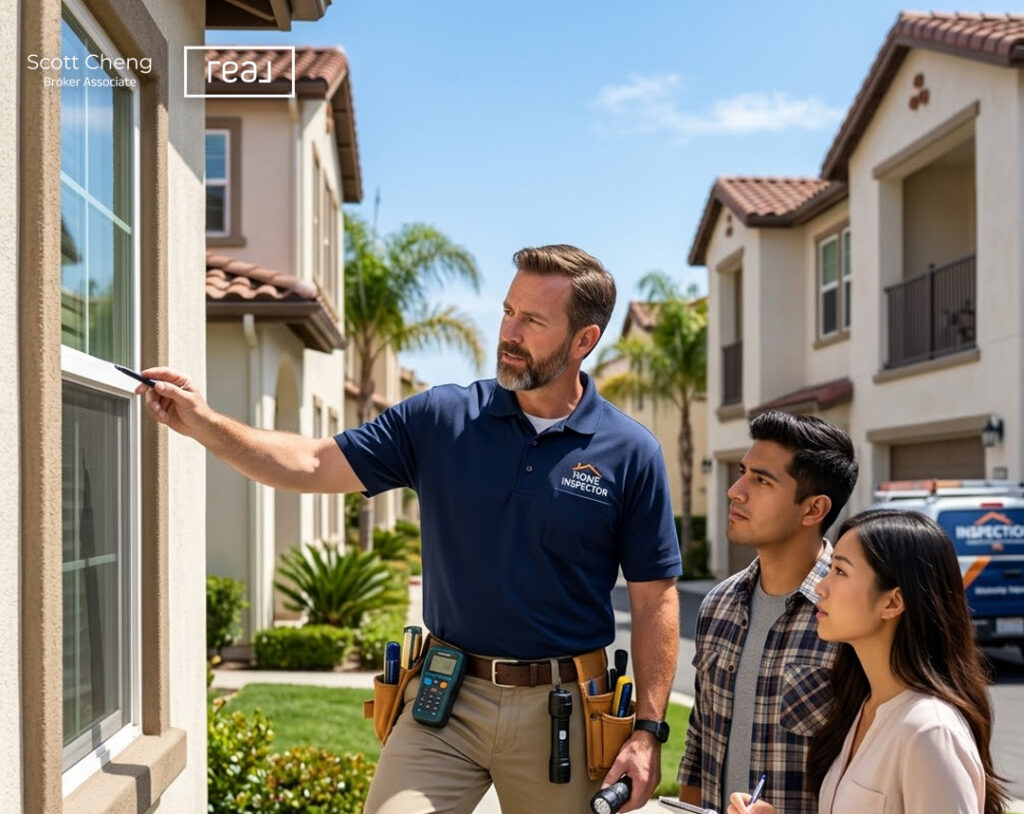
Best Home Inspectors for First-Time Buyers in University City San Diego 2026: Top Reviews and How to Choose One to Spot Issues Before Closing on Starter Townhomes
The best home inspectors for first-time buyers in University City in 2026 are established, insured firms with detailed digital reports, thermal imaging, and strong reviews, such as AmeriSpec, Pillar To Post, and HomeTeam. Choose by scope, speed, and warranty.
Why does hiring the right home inspector matter so much for first-time buyers in San Diego right now?
The right inspector protects your budget and your contingency window. In today’s San Diego market, homes go pending fast and inspection windows are often just 7 to 10 days, so one slow or incomplete report can cost you leverage or your earnest money.
You are stepping into a buyer-friendlier window than a few years ago, yet speed and diligence still decide outcomes. Local MLS data shows homes often go pending in about 28 days, around a third of sales still close over list price, and inventory rose meaningfully in late 2025. That mix means you can negotiate, but only if your inspection is fast, thorough, and easy to act on. In University City, starter townhomes under 1 million dollars move quickly, HOA rules can shift repair responsibilities, and small issues can snowball into costly surprises after closing. A top-reviewed inspector who knows coastal San Diego construction, HOA nuances, and common townhome defects helps you protect your budget and keep your financing on track. This same approach helps if you are also weighing nearby La Jolla and Clairemont, where similar building ages and coastal conditions create comparable risk patterns.
What should first-time buyers look for when hiring a home inspector in San Diego?
Look for an inspector with InterNACHI or ASHI credentials, E&O insurance, thermal imaging capability, and a proven track record with coastal San Diego townhomes. Fast report delivery within 24 hours is non-negotiable given tight contingency windows.
- You should expect an on-site inspection lasting 2.5 to 4 hours for most townhomes, with a same-day or next-day digital report that prioritizes safety, system lifespan, and urgent defects.
- You want thermal imaging for hidden moisture and missing insulation, plus moisture readings in bathrooms, kitchens, and around windows to flag leaks common in coastal climates.
- You need proof of E&O and general liability insurance, state license where applicable, and national association credentials like InterNACHI or ASHI.
- You should ask for sample reports. Look for clear photos, plain-English summaries, and cost ranges for major repairs. A clean layout helps you decide whether to request repairs or credits.
- You benefit from add-on services that match building age and systems: sewer scope for 1970s to 1990s complexes, roof evaluation for low-slope assemblies, WDO inspection for termites, and balcony or deck evaluation aligned with condo safety standards.
In 2026 you also see tighter timelines. Many offers in San Diego shorten the inspection contingency to 7 to 10 days, even as the broader market shows a 6 percent average discount off list price in 2025. A responsive inspector keeps you within contingency windows, which protects your earnest money and gives you real leverage.
What is different about starter townhomes in University City?
You are likely looking at units built from the 1970s through early 2000s, often with shared walls, stucco exteriors, and low-slope or tile roofs. You should expect:
- HOA-maintained components. Roof, exterior stucco, and some plumbing risers may be HOA responsibility. Your inspector should flag issues and you should confirm responsibilities in HOA documents.
- Older plumbing and drain lines. Some buildings may have cast iron drains, aging supply valves, or early copper that needs replacement. A sewer scope can reveal hidden root intrusion or corrosion.
- Balconies and elevated walkways. Ask if the HOA has completed required condo balcony safety inspections. Your inspector should still look for soft spots, cracks, rust, and water intrusion.
- Coastal moisture and wind exposure. Look for failed window seals, hairline stucco cracks, and inadequate flashing at decks and roof penetrations.
- Safety and code items. Verify strapped water heaters, smoke and CO detectors, dryer venting, AFCI and GFCI protection, and seismic bracing where relevant.
How do you compare the best home inspection companies in San Diego for 2026?
Compare AmeriSpec, Pillar To Post, and HomeTeam Inspection Service on scope depth, report technology, add-on availability, turnaround speed, and total package pricing rather than base fee alone.
- Scope depth. AmeriSpec often stands out for highly structured, photo-rich reports with plain-English summaries and maintenance advice that helps you plan budgets. Pillar To Post offers tiered packages that can bundle thermal imaging and same-day printed reports, which speeds negotiations. HomeTeam uses a multi-inspector model on some jobs, which can help with speed on tight timelines.
- Technology and deliverables. You should expect annotated photos, thermal images where relevant, and repair priority coding. A good platform lets you create a repair request list quickly for the purchase contract.
- Warranties and guarantees. Ninety-day limited warranties are common. You should read the fine print. Treat them as a cushion, not a substitute for detailed due diligence.
- Availability and turnaround. In a market where your contingency can be only 7 to 10 days, you should favor firms that schedule within 24 to 48 hours and deliver by end of next day.
- Pricing. Typical townhome inspections run about 400 to 750 dollars depending on size and add-ons. Sewer scopes are often 250 to 350 dollars, WDO 95 to 150 dollars or included, mold testing 250 to 400 dollars. You should compare total packages, not just base fees.
Key factors to evaluate:
- Licensing, insurance, certifications. You should verify E&O coverage and InterNACHI or ASHI credentials.
- Sample report quality. You want clear photos, concise summaries, and repair prioritization for fast decision-making.
- Local experience with HOAs and coastal San Diego. You should choose someone who routinely inspects University City, La Jolla, Pacific Beach, and Clairemont properties.
What is the step-by-step process for using a home inspection to protect your purchase in San Diego?
Book within 24 hours of acceptance, choose add-ons for your property’s age and risk profile, attend the walk-through, prioritize findings by severity, and negotiate credits or repairs before your contingency expires.
1) Get pre-vetted names. You should ask your real estate agent San Diego CA for a shortlist of top San Diego real estate agents’ preferred inspectors. It is smart to cross-check reviews and sample reports to confirm report quality and speed.
2) Book fast after acceptance. You should schedule within 24 hours of acceptance to preserve negotiating time. Ask for confirmation that your full report will arrive same day or next morning.
3) Choose add-ons based on age and risk. For 1970s to 1990s townhomes, you should add a sewer scope and WDO. For low-slope or older tile roofs, add a roof specialist. For musty odors or prior leaks, add mold sampling.
4) Attend the last 30 minutes. You should let the inspector work, then join for a plain-English walk-through. Ask about life expectancies for water heater, HVAC, roof, and windows, and request ballpark costs.
5) Prioritize findings. You should separate health and safety, active leaks, electrical hazards, and major system age from minor maintenance. That focus helps you aim your repair requests.
6) Coordinate with HOA knowledge. You should confirm whether the HOA or the unit owner handles roofing, exterior stucco, balconies, and main plumbing stacks. Your request strategy changes if the HOA is responsible.
7) Negotiate like a pro. In a market where inventory has improved and average discounts are near 6 percent for 2025, you can often secure repairs or a credit. You should push for credits on aging systems that are near end of life if sellers will not repair.
8) Keep your lender informed. You should send critical health and safety repairs to your lender if required by your loan program. Fast communication prevents closing delays, which is key when you are using down payment assistance.
9) Re-inspect if needed. If sellers complete repairs, you should order a re-inspection to verify workmanship, especially for roof patches, plumbing fixes, or electrical safety items.
What does the San Diego townhome market look like for first-time buyers in 2026?
University City and surrounding neighborhoods offer dozens of starter townhomes under one million dollars, but HOA rules, coastal conditions, and aging building systems make a thorough inspection essential before closing.
You are buying in a metro where townhome HOAs are common and coastal conditions test building envelopes. In University City, median prices for attached homes often track from about 950,000 to 1,100,000 dollars, with many starter townhomes under 1,000,000 dollars near Genesee Avenue and Executive Drive. HOA fees frequently land around 350 to 450 dollars per month, and inventory snapshots from early 2026 show dozens of active options under 1,000,000 dollars across the UTC corridor.
You should align your inspection plan with local realities:
- Roofs and decks. Many complexes have low-slope roofs and cantilevered balconies. You should ask for close-up photos of roof drains, flashings, and balcony ledger connections.
- Plumbing. Older supply lines and valves need attention. You should check water pressure, water heater age and strapping, and evidence of historical leaks.
- Windows and stucco. You should look for seal failures and stucco cracks from movement and moisture.
- Electrical. You should confirm GFCI and AFCI protection, panel brand safety, and aluminum branch wiring absence in older units.
- HOA due diligence. You should review recent HOA inspections, reserve studies, minutes, and any special assessment notices that tie directly to building condition.
Neighborhoods to consider in San Diego:
- University City. You get proximity to UCSD and the UTC employment hub, strong schools, and multiple parks. Starter townhomes under 1,000,000 dollars are common, with HOAs typically at 350 to 450 dollars per month.
- Clairemont. You get shorter commutes to Mission Bay and a mix of older townhomes and single-level condos. Prices can be friendlier than La Jolla, and inspections should focus on older plumbing and roof age.
- Mira Mesa. You get more inventory under 1,000,000 dollars and newer construction relative to some coastal pockets. Inspections should emphasize HVAC age and attic insulation, along with any prior rental wear.
Nearby Areas Worth Exploring
You might also consider nearby communities that share similar commute patterns and schools. Each offers a slightly different mix of price, HOA rules, and building age.
- La Jolla: You get high-performing schools and coastal lifestyle. Prices run higher, but attached homes can still offer relative value. You should expect rigorous inspections for ocean exposure and older building envelopes.
- Pacific Beach: You get beach living and strong rental demand, which can support resale value. Inspections should focus on moisture, balconies, and salt-air impact on exterior metals.
- Clairemont: You get easier access to I-5 and SR-52, plus many townhome options that fit first-time budgets. You should weigh the cost of upgrades on 1970s era buildings against lower purchase prices.
What mistakes do most first-time buyers make with home inspections in San Diego?
The most common mistakes are assuming the HOA covers all exterior repairs, treating a clean report as a guarantee, skipping inspections on renovated units, and choosing the cheapest inspector over the most thorough one.
You often hear that an HOA will handle everything outside the drywall, so you should not worry about exterior issues. That is not always accurate. You should verify the specific maintenance matrix. Some HOAs push balcony and window costs to owners, which can surprise you after closing.
You may also think a clean inspection report means a perfect home. You should still budget for near-term replacement of aging systems. A 16-year-old water heater or a 20-year-old furnace may work today but is at the tail end of life.
You sometimes assume new or renovated units need less diligence. You still need a full inspection to catch unpermitted work, reversed polarity outlets, attic insulation gaps, or missing GFCI protection.
You might delay the inspection to save on fees until the HOA documents arrive. In a 7 to 10 day contingency, that often backfires. You should parallel path both. Book the inspector immediately and request HOA documents the same day.
Finally, you may choose the lowest bid. You should weigh speed, report quality, thermal imaging, and communication. A 100 dollar savings can cost you thousands if the inspector misses a subtle roof penetration leak or a failing drain line.
Frequently Asked Questions
Who are the best home inspectors for first-time buyers in University City San Diego in 2026?
You should look at AmeriSpec San Diego, Pillar To Post, and HomeTeam Inspection Service for strong reviews, fast turnaround, and comprehensive reports. Each offers robust photo documentation, thermal imaging options, and add-ons like WDO and sewer scopes that are especially important for older University City townhomes built between the 1970s and early 2000s.
What add-on inspections should first-time buyers order for a starter townhome in San Diego?
You should add a WDO inspection for termites, a sewer scope for older drain lines, and a roof evaluation if the building has a low-slope roof or older tile. Consider mold sampling if there are stains, odors, or a history of leaks in HOA minutes. For 1970s to 1990s complexes, a sewer scope is especially important to catch root intrusion or corrosion in cast iron drain lines.
Does home inspection advice for University City also apply to La Jolla or Clairemont?
Yes. You face similar building ages, coastal moisture, and HOA structures in La Jolla and Clairemont. You should keep the same core approach and tailor add-ons to construction type and age. Pricing and HOA rules vary, so confirm responsibilities.
How much does a home inspection cost in San Diego and who pays for it?
You typically pay 400 to 750 dollars for a townhome inspection in San Diego. Add 250 to 350 dollars for a sewer scope and 95 to 150 dollars for WDO. Mold testing runs 250 to 400 dollars. Buyers usually pay these costs during escrow. You should also budget for re-inspection fees of 100 to 200 dollars if sellers complete repairs that need verification.
How do you use a home inspection to negotiate without losing the deal in San Diego?
You should focus your requests on health and safety issues, active leaks, and end-of-life systems rather than cosmetic items. Present contractor quotes or credible estimates to support your position, then request seller credits or targeted repairs. In a 2025 to 2026 San Diego market with more inventory and average discounts near 6 percent off list price, sellers are more flexible than in prior years.
What are the most common mistakes first-time buyers make with home inspections in San Diego?
The most common mistakes include assuming the HOA covers all exterior repairs without verifying the specific maintenance matrix, treating a clean report as a guarantee of no future costs, skipping inspections on renovated units, delaying the booking until HOA documents arrive, and choosing the lowest-priced inspector rather than evaluating speed, thermal imaging capability, report quality, and communication.
The Bottom Line
You protect your budget and leverage when you hire a top-reviewed, locally experienced inspector who delivers fast, photo-rich reports and offers the right add-ons for University City townhomes. Firms like AmeriSpec, Pillar To Post, and HomeTeam are reliable starting points, but you should compare scope, speed, and warranties. Whether you are buying in University City or exploring nearby La Jolla and Clairemont, the same principles apply. Choose for depth and clarity, schedule immediately after acceptance, align with HOA responsibilities, and negotiate based on health, safety, and system life.
If you are ready to explore your options for home inspections and first-time buyer strategies in San Diego or nearby communities, Scott Cheng at Scott Cheng San Diego Realtor can walk you through the specifics for your situation.
📞 858-405-0002
DRE# 01509668
Additional Reading:
- Check the FHFA HPI Q1 2025 report for detailed market trends affecting San Diego.