
Title Issues and Easements in Mira Mesa and Vista Properties 2026: What First-Time Buyers Must Know Before Closing to Avoid Costly Surprises
Title Issues and Easements in Mira Mesa and Vista Properties 2026: What First-Time Buyers Must Know Before Closing to Avoid Costly Surprises
You avoid costly surprises by reading your preliminary title report line by line, mapping every easement to the lot, and curing or insuring over risks before you remove contingencies. If the issue cannot be cured or insured, you renegotiate or walk.
Why This Matters Right Now
You are buying into a competitive San Diego County market where prices in Mira Mesa hover in the high $900Ks and Vista trends in the mid $800Ks. With days to pending around four weeks to a month, your timing and diligence directly affect your leverage. As a first-time buyer, you juggle affordability, down payment, and inspections. Title issues or easements you do not understand can derail financing, add thousands in future costs, or limit how you use your yard. You should lock down title clarity now, especially if you are also comparing Rancho Bernardo or San Marcos where similar access and utility easements are common. In 2026, you face low inventory and rising competition, so you need a clean, confident plan for evaluating title and easements before you commit escrow funds.
What You Need to Know Before You Close
You should treat the preliminary title report as a deal document, not a formality. It tells you what you are actually buying and what rights others have over your property.
Key points to master:
- What shows on title:
– Liens: tax, HOA, mechanics, unreleased loans, solar equipment filings.
– Easements: utility, storm drain, slope, ingress and egress, shared driveways, open space.
– Covenants, Conditions, and Restrictions: HOA rules, use limits, architectural controls.
– Assessments: Mello-Roos or community facilities that act like liens on taxes.
- What an easement means:
– You still own the burdened area, but your use is limited. You cannot build where a public utility easement runs without permission. Landscaping, sheds, or ADUs may be restricted.
– Ingress and egress easements must be continuous and legally recorded for flag lots and private roads.
- Why lenders care:
– Unresolved liens, unclear access, or structures encroaching on easements can delay or kill your loan.
– Some loans limit properties under high-voltage transmission lines or with inadequate access.
- Local realities:
– Mira Mesa homes near canyons often carry drainage or slope maintenance easements.
– Vista hillsides and semi-rural pockets frequently rely on private road and utility easements.
You should confirm each exception on the report against the property’s map and a site walk. Your options include requesting targeted title endorsements, negotiating seller cures, or adjusting price if the risk remains.
What an Easement Means Day to Day in San Diego
You should plan for utility access, occasional trenching, or tree trimming within the easement area. Fences, patios, or retaining walls inside an easement may need removal if the easement holder exercises rights. That risk has real cost, so you should price it in.
How to Compare Your Options
You evaluate title issues and easements by their impact on use, insurability, and exit value. In a market where multiple offers still appear, you should avoid waiving title contingencies and instead compare clear choices.
Pros and cons for common scenarios:
- Keep and insure
– Pros: You close on time, cost is limited to premium for endorsements or a small credit.
– Cons: Insurance may not cover future improvements you plan, or exclude certain risks.
- Cure before closing
– Pros: Clean title and stronger resale story, smoother appraisal and underwriting.
– Cons: Time risk if lien releases or recorded corrections lag, potential seller resistance.
- Renegotiate
– Pros: Price or credit offsets risk, you keep timeline control.
– Cons: Seller may choose another buyer in a tight market.
- Walk away
– Pros: You avoid long-term use restrictions or marketability problems.
– Cons: You lose time and upfront costs but protect future capital.
Key factors to evaluate:
- Use and livability: Does the easement block future ADU plans, pool placement, or yard access you value in the best neighborhoods in San Diego for families?
- Finance and insurance: Will your lender require resolution or deny the loan without clear ingress, survey-level location, or specific endorsements?
- Resale and marketability: Will future buyers discount a power line corridor or a shared driveway with a weak maintenance agreement, even in popular neighborhoods in San Diego?
You should involve a top San Diego real estate agents caliber advisor and, when needed, a real estate broker San Diego or title counsel to quantify risks and compare your paths.
Your Step-by-Step Guide
Follow a tight checklist so you remove contingencies only after you control the risk.
1) Get your preliminary title report immediately
- You should request it as soon as you open escrow. Confirm vesting, legal description, and any recorded maps. Verify the lot number matches the purchase contract.
2) Build an exceptions table
- List every Schedule B exception and write what it is in plain language. Note who benefits, where it sits on the parcel, and how it could limit use.
3) Map each easement and walk the site
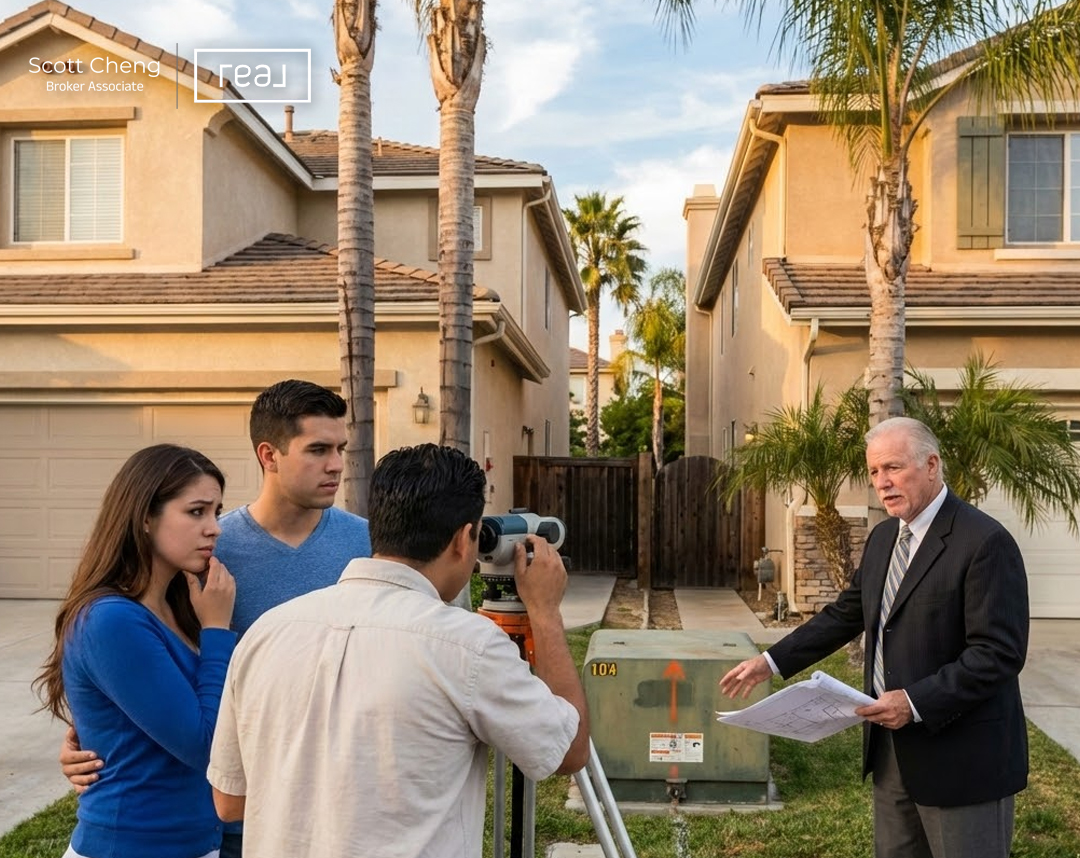
- Ask the title company for easement sketches if available. If placement is unclear, you should consider a boundary or location survey. Walk the property to confirm fences, driveways, and utility boxes align with records.
4) Validate access and maintenance
- For private roads or shared driveways, you should verify recorded maintenance agreements. Confirm legal ingress is insurable and continuous to a public street.
5) Review HOA and CC&Rs carefully
- You should check rental caps, pet limits, architectural controls, and any rights of entry. In Mira Mesa and Vista, many townhomes and PUDs embed broad utility and drainage easements inside common areas.
6) Identify liens early and set cure deadlines
- Ask for a payoff demand on existing loans, HOA, and taxes. For mechanics liens or old deeds of trust, you should require seller cures with recorded releases before contingency removal.
7) Ask for targeted title coverage
- Request endorsements for access, restrictions, encroachments, or location when available. Your title officer can advise what is customary for San Diego County.
8) Align with your lender
- You should confirm your lender’s requirements. Some loan programs scrutinize properties under high-voltage lines or without fully recorded access.
9) Negotiate your solution
- If you cannot fully cure, you should weigh credits, price adjustments, or closing with affirmative coverage. Only proceed if coverage and price reflect the real risk.
10) Remove title contingencies last
- You should not remove contingencies until cures are recorded, coverage is confirmed in writing, and you understand the remaining risk to your plans and resale.
What This Looks Like in Mira Mesa and Vista
You will see recurring patterns by neighborhood. In Mira Mesa, many streets back to canyons and preserves, so you often get drainage or slope maintenance easements that limit hardscape and tree choices. Median values near the upper $900Ks and days to pending around a month mean you have some time to negotiate reasonable cures or credits. In Vista, where median sale prices trend in the mid $800Ks and days to pending around four weeks, you frequently see private road, shared driveway, and older utility easements across larger lots. Some Vista pockets have SDG&E transmission corridors that can affect where you build or garden and may influence appraisals.
You should plan how title interacts with your lifestyle goals:
- If you want a future ADU, you should verify setbacks and keep utility and drainage easements clear.
- If you are targeting a pool or large patio, you should avoid lots with centrally placed underground utilities.
- If you need low-maintenance living, you should favor HOAs with clear common-area easements and robust budgets for shared infrastructure.
Neighborhoods to consider in Mira Mesa, San Diego, Vista:
- Mira Mesa east of Black Mountain Road: Townhomes and single-family near parks. Expect HOA CC&Rs and interior utility easements. Prices often high $800Ks to low $1Ms for single-family.
- Vista Shadowridge area: Planned neighborhoods with consistent CC&Rs and clearer road maintenance. Prices often mid to high $800Ks for detached homes.
- Guajome and northeast Vista: Larger lots with private road and well or septic considerations in some pockets. You should triple-check access and utility easements.
Nearby Areas Worth Exploring
You might also compare a few adjacent areas where easements and title patterns are similar but price points and commute differ.
- Rancho Bernardo: Master-planned communities with strong HOAs, consistent CC&Rs, and golf-course adjacency. You get clearer maintenance provisions and good access to I-15. Prices can be higher than Vista but competitive with parts of Mira Mesa.
- Poway: Larger lots and semi-rural feel mean more private road and utility easements. You should expect more diligence on access and fire-hardening. Schools are a draw, and prices vary widely across neighborhoods.
- San Marcos: Mix of master-planned communities and older tracts. You often find PUD easements and Mello-Roos in newer areas. Commute patterns favor SR-78 and I-5 access compared with Mira Mesa.
What Most People Get Wrong
You may think title insurance covers everything. It does not. Standard policies exclude many issues you could discover with a careful read and a site walk, especially unrecorded encroachments, future improvements within easements, or maintenance disputes on private roads. You might also assume a fence line equals a boundary. It often does not. In Vista’s rolling terrain, fences follow topography, not legal lines. In Mira Mesa, patio covers or sheds can creep into drainage or utility easements. Another common mistake is removing title contingencies before recorded cures are in hand. Verbal assurances mean little if a lien release or corrected legal description is not recorded. Finally, you do not need a business broker San Diego ca for this; you need guidance from a real estate agent San Diego ca who reads title reports daily and coordinates with your title officer and lender.
Frequently Asked Questions
What is a preliminary title report and how should you read it?
It is the title company’s snapshot of ownership, liens, easements, and exceptions. Start with vesting and legal description, then work through liens, easements, and CC&Rs. You should translate each exception into plain language, map it to the lot, and confirm how it affects your intended use.
Are utility or drainage easements a dealbreaker in Mira Mesa or Vista?
Not usually. They are common and manageable if you understand where they are, what rights the holder has, and how they limit improvements. You should secure endorsements when available, get HOA permission if needed, and price in the risk to future projects like patios or ADUs.
Does this advice apply to Poway or San Marcos too?
Yes. In Poway you should expect more private road and utility easements on larger lots, with extra attention to access and fire zones. In San Marcos you often encounter PUD and Mello-Roos structures with clear recorded easements. The same process applies: read, map, cure or insure, then decide.
Can you insure over an encroachment or access gap?
Sometimes. You should ask your title officer about endorsements that provide affirmative coverage for access or certain encroachments. Availability depends on evidence, underwriting, and risk. If coverage is not possible, you should seek a recorded agreement, move the improvement, or reconsider the deal.
What if a lien or title defect appears right before closing?
You should pause, extend timelines if needed, and get a recorded release or correction. Ask for an escrow holdback if appropriate, but do not remove contingencies until the cure is recorded or acceptable coverage is issued in writing. If the seller cannot cure promptly, renegotiate or walk.
The Bottom Line
You protect your budget and your future use of the property by treating title and easements as core to your decision, not an afterthought. You should read your preliminary title report carefully, map and verify every easement, and use endorsements, seller cures, or credits to control risk. If you cannot cure or insure adequately, you should move on. That is how you buy confidently in Mira Mesa and Vista. Whether you stay focused there or also consider Rancho Bernardo and San Marcos, the same steps apply and help you compare the best neighborhoods in San Diego, align with your lender, and preserve resale value. If you want guidance worthy of the best San Diego realtor standard, lean on a top real estate brokers in San Diego ca approach and insist on clear, documented solutions.
If you’re ready to explore your options for title issues and easements in Mira Mesa, San Diego, Vista, or nearby communities, Scott Cheng at Scott Cheng San Diego Realtor can walk you through the specifics for your situation.
📞 858-405-0002
DRE# 01509668
Leave a Reply