

Is Your Buyer’s Agent in University City San Diego Truly Negotiating for You?
How do I know if my buyer’s agent in University City, San Diego, in 2026 is actually negotiating the best deal for me or just trying to close fast?
You can tell by tracking measurable benchmarks: the sale-to-list ratio on your offer compared to neighborhood comps, whether your agent tailors strategy to property type, and whether they encourage or discourage contingencies and concessions.
Why This Matters Right Now in University City
University City is not one market in 2026. It is two. And the difference between a skilled negotiator and a fast-closer shows up most clearly in a split market like this one.
According to data compiled from MLS records for the 92122 zip code, single-family homes carry a median sale price of roughly $1,674,000 with just 2 months of supply, while condos sit at a median of around $612,500 with 5.3 months of supply, as of Q3 2026. That condo figure is down roughly 9.8% year over year. A cloudy mind can’t make decisions, and neither can a buyer who doesn’t understand which side of this split they’re on.
If your agent treats every offer the same way regardless of property type, that’s your first signal that something is off. With 18 years in San Diego real estate and over 275 closed transactions, I can tell you: the strategy for a Governor Drive single-family listing and a Nobel Drive condo should look completely different. Let me walk you through how to evaluate what your agent is actually doing for you.
Understanding University City’s Two-Track Market Before You Evaluate Your Agent
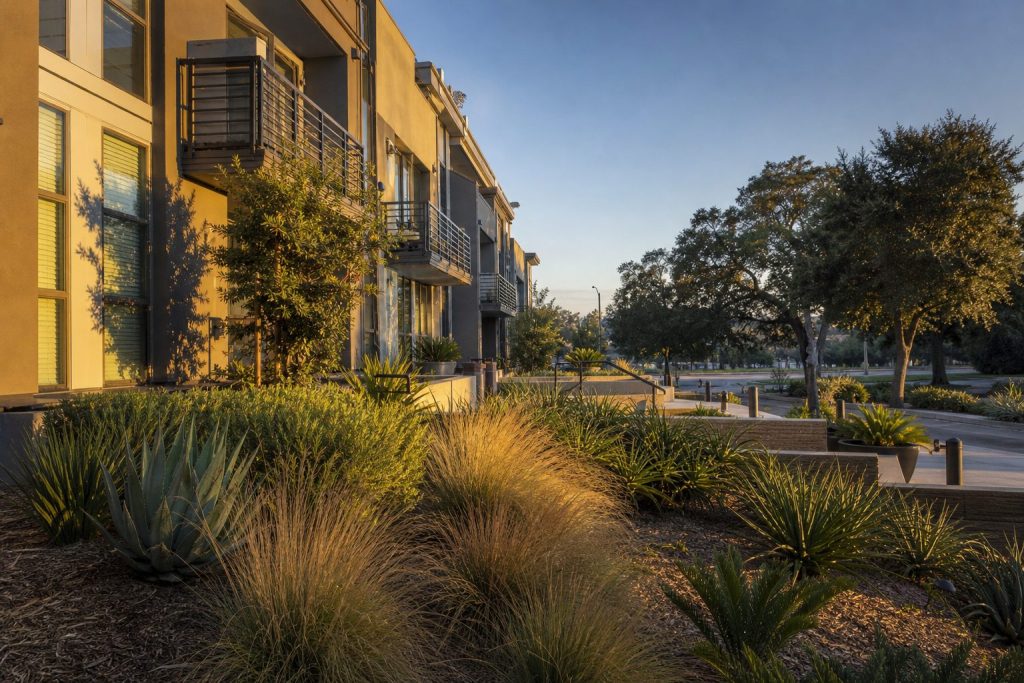
You cannot judge your agent’s negotiation skills without first understanding the playing field. In University City’s northern section, dense residential complexes cluster around Nobel Drive and Regents Road, directly adjacent to the UC San Diego campus. Condo prices in this area typically range from $600,000 to $900,000, per local market reporting.
In the southern half, older ranch-style homes line the streets south of Rose Canyon, with Governor Drive serving as the main thoroughfare. Detached homes in this area frequently sell for $1,200,000 or more in 2026.
Here is where it gets interesting for you as a buyer:
- Only 14.9% of condos in University City recently sold above list price, as of the 90 days ending September 30, 2026
- 37.4% of single-family homes sold above list price in that same window
- The overall sale-to-list ratio runs at approximately 98.5%, per local MLS data through mid-2026
What does this mean for your offer? If you are looking at a condo and your agent is pushing you to offer at or above list price, that contradicts the data. If you are looking at a detached home that has been on the market for 30-plus days, your agent should recognize that it falls outside the 13-day median and use that as leverage. A strong agent reads these signals. A rushed one ignores them.
Five Concrete Signs Your University City Agent Is Negotiating Well
They Pull Comps Specific to Your Sub-Neighborhood
Pricing in University City varies widely depending on the street. Homes with unobstructed views of Rose Canyon command a premium over standard interior-tract lots, according to local market analysis. Your agent should be pulling comparable sales within a half-mile radius and adjusting for location, condition, and view. If they are using broad zip-code averages, they are cutting corners.
They Know When to Push and When to Hold
In the current University City condo market, with 5.3 months of supply and roughly 70 active condo listings, buyers have room to ask for price cuts, closing credits, or repairs that sellers would not have entertained a year ago. What I tell my clients is simple: the data tells you when you have leverage. If your agent is not requesting concessions in a buyer-favorable condo market, ask why.
They Explain HOA Financials, Not Just Sticker Price
Condition and HOA economics are doing more of the pricing work than they did three years ago, per local market reporting. A good agent in University City digs into reserve studies, special assessment history, and monthly dues before advising you on price. A fast-closer skips this step because it slows the transaction down.
They Encourage Contingencies Where Appropriate
If your agent discourages inspection contingencies or appraisal contingencies in a market where 77% of homes sell at or below asking, that is a red flag. Contingencies protect you. A skilled negotiator knows how to include them without weakening your offer.
They Provide Market Absorption Data Without You Asking
Your agent should volunteer information like months of supply, days on market trends, and sale-to-list ratios. If you are the one doing the research, your agent is not adding the value you are paying for.
Red Flags That Your Agent in University City May Be Rushing the Deal
Sometimes the signs are subtle. Here is what to watch for:
- They recommend the same offer strategy for condos and houses. With 2 months of supply for detached homes and 5.3 months for condos in University City, identical strategies make no sense.
- They downplay inspection findings. A repair request on a condo with softening prices is not unreasonable. If your agent says “don’t rock the boat,” ask yourself who benefits from that advice.
- They never mention seller concessions. In the current University City condo market, closing cost credits and repair allowances are realistic asks. If your agent never brings them up, they may be prioritizing a smooth close over your financial outcome.
- They rush your due diligence period. California gives you a standard 17-day inspection contingency period. If your agent pressures you to shorten it without a compelling competitive reason, that is worth questioning.
- They cannot articulate the sale-to-list ratio for your specific property type. For University City in Q3 2026, that number should be close to 98.5% overall, per MLS data. If your agent does not know this, they are not tracking the market closely enough.
Questions You Should Ask Your Buyer’s Agent in University City
You do not need to be confrontational. You just need to be informed. Here are the questions I recommend:
- “What is the current sale-to-list ratio for condos versus single-family homes in 92122?”
- “How many months of supply exist for the property type I am targeting?”
- “What percentage of comparable homes sold above list price in the last 90 days?”
- “What concessions have sellers in this sub-market been willing to offer recently?”
- “How does this listing’s days on market compare to the neighborhood median?”
A strong agent will answer these without hesitation. Having closed over 275 transactions across San Diego, I can tell you that buyers who ask these questions consistently end up in stronger positions, not because the questions are magic, but because they signal to your agent that you expect data-driven guidance.
How the Buyer Agency Agreement Protects You in 2026
Since the NAR settlement took effect in August 2024, you now sign a written buyer representation agreement before an agent can show you homes. This is actually good for you as a buyer in University City.
Your agreement should clearly spell out your agent’s duties, including their obligation to negotiate on your behalf. Buyer agent compensation is no longer automatically offered through the MLS; it is now a negotiable term. You should ask your agent directly: “How are you being compensated, and does that create any incentive to close quickly rather than negotiate thoroughly?”
This is not about suspicion. It is about alignment. When both you and your agent understand the compensation structure, everyone’s incentives are transparent. With 275 five-star reviews from past clients, I have found that transparency about compensation builds trust rather than eroding it.
Frequently Asked Questions
What sale-to-list ratio should I expect when buying a condo in University City in 2026?
Based on MLS data as of mid-2026, the sale-to-list ratio in University City runs at approximately 98.5% overall. For condos specifically, with 5.3 months of supply and only 14.9% selling above list price, you should generally expect to close at or slightly below asking. If your agent is advising you to offer above list on a condo, ask for their comparable sales justification.
How do I know if my agent is using days on market as a negotiation tool?
A skilled real estate agent in San Diego will track how long a specific property has been listed compared to the University City median. When a home sits beyond the 24 to 49 day median, that creates negotiation leverage. Ask your agent what the listing’s days on market are and how that affects their recommended offer price.
Should my buyer’s agent negotiate differently for condos versus houses in University City?
Absolutely. University City’s condo market has 5.3 months of supply, while single-family homes sit at just 2 months of supply, as of Q3 2026. These are fundamentally different competitive environments. An agent who applies one strategy to both property types is not tailoring their approach to your advantage.
What concessions can I realistically ask for in the University City condo market right now?
In the current environment, condo buyers in University City can ask for price reductions, closing cost credits, repair allowances, and home warranty coverage. With condo prices down roughly 9.8% year over year as of Q3 2026, sellers are more motivated to work with buyers on these terms than they were in prior years.
Is it a red flag if my agent discourages an inspection contingency?
In most University City transactions, yes. When roughly 77% of homes in this market sell at or below asking price, there is no competitive reason to waive your right to an inspection. A contingency protects your investment, and a good agent knows how to include it without making your offer less attractive.
How can I verify my agent’s negotiation track record?
Ask your agent for specific examples of recent transactions in the 92122 zip code, including final sale price versus list price. You can also check public records for closed transactions. An agent rated 5 out of 5 stars across 275 reviews, like my own track record, reflects consistent client satisfaction with outcomes.
What does “months of supply” mean and why should I care?
Months of supply indicates how long it would take to sell all current listings at the current pace of sales. Below 3 months favors sellers; above 5 months favors buyers. University City condos are at 5.3 months and houses at 2 months, as of Q3 2026, per local MLS data. This number directly determines how much negotiation power you have.
How do HOA financials affect negotiation in University City condos?
HOA reserves, special assessments, and monthly dues directly impact a condo’s true cost. If a building has a low reserve fund or an upcoming special assessment, that is a negotiation point your agent should raise. In 2026, condition and HOA economics are doing more pricing work than they did three years ago, per local market analysis.
Should I be concerned about dual agency in University City?
Dual agency means your agent represents both you and the seller. In California, this is legal with disclosure but creates an inherent conflict. I recommend working with a dedicated buyer’s agent in San Diego who represents only your interests. As an Associate Broker at REAL Brokerage, I focus specifically on buyer representation to avoid this conflict.
What makes University City pricing different from other San Diego neighborhoods?
University City has a cost of living index of 176 compared to the national average of 100, with housing sitting 223% above the national average, per Census-based estimates. The median household income here is $120,558. This context matters because your agent should understand the specific affordability dynamics of this neighborhood when advising your offer strategy.
The Bottom Line
Your buyer’s agent in University City should be your advocate, not just your tour guide. In a market where condos and single-family homes behave like two entirely different environments, the quality of your agent’s negotiation directly affects your financial outcome. Track the sale-to-list ratios, ask about months of supply, and expect property-type-specific strategies. If you want to talk through your situation with someone who has closed over 275 transactions across San Diego and offers a complimentary attorney contract review with every transaction, reach out to me, Scott Cheng, at 858-405-0002 or visit my office at 16516 Bernardo Center Dr. Ste. 300. I am happy to help you understand exactly where you stand.
Before you commit to an agent, consider learning about natural hazard disclosures and what protections you need in University City. You should also explore down payment assistance programs that may help you negotiate from a stronger financial position.
For guidance on government homebuying resources, the Consumer Finance Protection Bureau offers valuable information on preparing for homeownership, and HUD’s FAQs provide answers to common homebuying questions.
DRE #01509668 | Equal Housing Opportunity