

Best Neighborhoods for First-Time Buyers in University City San Diego 2026: Top Reviews and How to Choose Starter Homes Under $1M with Good Commutes Before Bidding Wars Heat Up
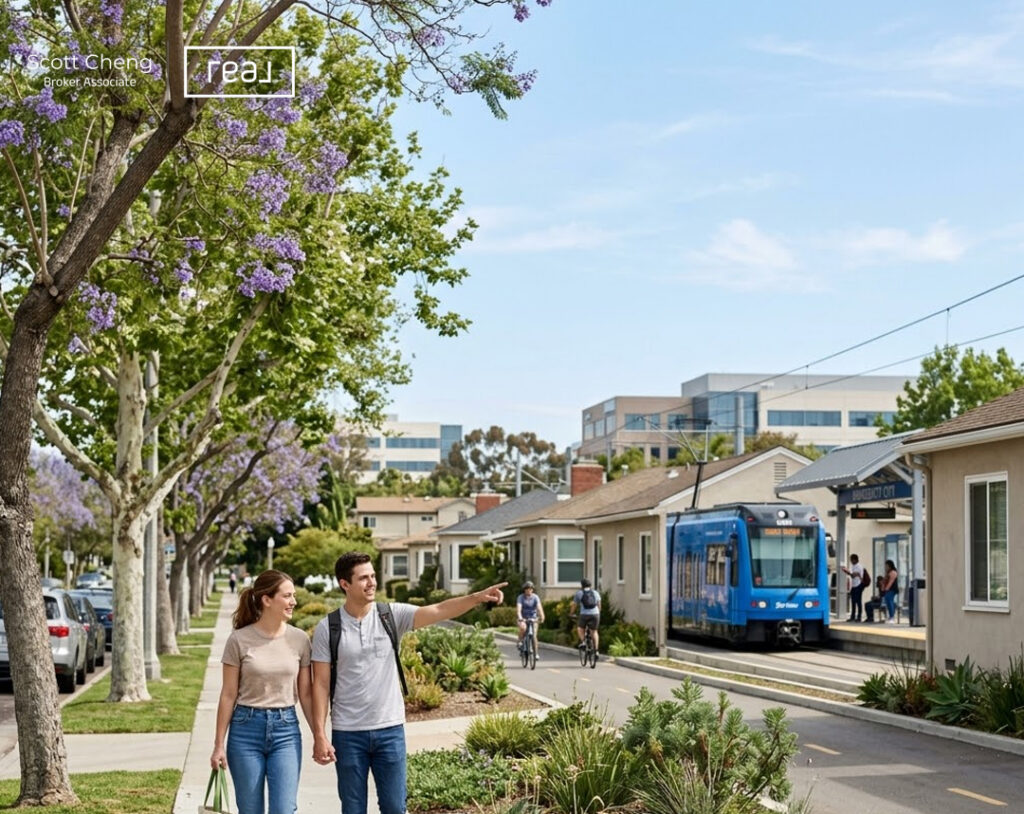
Best Neighborhoods for First-Time Buyers in University City San Diego 2026: How to Find Starter Homes Under $1M with Good Commutes Before Bidding Wars Heat Up
The best starter-home bets under $1M in University City are townhome and condo clusters around Genesee Avenue, Regents Road, and Executive Drive, with fast commutes to UTC and the Blue Line. Also compare Mira Mesa for value and lower HOAs.
Why does the 2026 University City market matter for first-time buyers right now?
Spring 2026 brings real competition to University City even as the market stabilizes — buyers who prepare now can save tens of thousands over those who wait.
You are entering a San Diego market that looks more balanced than the 2020 to 2023 frenzy, but you still face real competition each spring. Local MLS data shows inventory up roughly two-thirds year over year, about a quarter of listings taking price cuts, and average discounts off list near 6% in 2025. Yet about one-third of sales still close over list when a home is move-in ready and well located. County medians hovered near the mid to high 900s at the end of 2025 per city financial reporting, so getting under $1M near University City takes strategy. Your timing could save you tens of thousands if you line up financing, down payment assistance, and neighborhood targets before bidding wars heat up. Whether you are focused on University City or also weighing Clairemont and La Jolla, you will want a data-driven plan to move quickly on the right home without overpaying.
What should first-time buyers know before shortlisting University City homes under $1M?
Define your must-haves around commute, schools, monthly budget, and building age before you tour — HOA fees of $350–$450/month shape your approval limits as much as rate and taxes.
University City under $1M is primarily townhomes and condos near UTC, with typical HOA fees of about 350 to 450 per month. Those fees shape your monthly payment and approval limits as much as rate and taxes.
- You will mostly choose between late 1980s to early 2000s townhomes near Regents Road, Executive Drive, and Nobel Drive, or older condos near Governor Drive that trade at a discount.
- Your commute to UTC is often 10 to 15 minutes, and to downtown about 25 to 35 minutes via I-5 or SR-52. The UC San Diego Blue Line already connects University City directly to downtown, which adds flexibility if you prefer to skip peak hour traffic.
- Your financing options include FHA with 3.5% down and conventional starting at 5% down, with common DTI caps around 45%. Local down payment assistance through SDHC, CalHFA, and County CalHome can bridge 3% to 30% of price depending on income and program rules.
- You should factor in Mello Roos and special assessments. Most University City condos avoid heavy Mello Roos, but you still need to review HOA reserves, pending repairs, and insurance premiums.
- You can expect median days to contract around four weeks when priced right. Clean, updated units near parks like Standley Park and Marcy Park can move faster.
When you compare options across the broader region, you will find Clairemont and Mira Mesa offering similar commutes with more variety under $1M, sometimes with lower HOAs and slightly larger floor plans.
How do you compare University City sub-areas and decide which neighborhood fits your budget?
Grade each sub-area on total cost, commute certainty, and resale prospects — North UC offers UTC walkability, South UC offers quieter pricing, and East I-805 edges offer the best value per square foot.
- North University City near Nobel Drive and Regents Road Pros: Walkable to UTC retail, newer builds, strong rental demand for future resale. Cons: Higher HOAs, occasional freeway noise, tighter parking.
- South University City near Governor Drive Pros: Quieter residential feel, parks and community pool access, some lower price points in older buildings. Cons: Older systems and roofs, less walkable to UTC employment.
- East of I-805 edges Pros: Faster freeway access, more budget-friendly per square foot. Cons: Fewer newer complexes, less cohesive streetscape.
Key factors to evaluate:
- Commute reliability: Measure door to door during peak times. A 5-minute variance can change your daily quality of life.
- HOA health: Review reserves, insurance renewals, planned capital projects, and special assessments. A lean reserve can add hundreds per month later.
- Monthly payment math: Model principal and interest, HOA, taxes, and insurance. A $900,000 price with 5% down plus a $400 HOA can feel like a $950,000 home with a $200 HOA.
- School and park access: Standley Park, Marcy Park, and proximity to top-rated public schools add durable value.
- Noise and micro-location: Units facing I-5, I-805, or major arterials can trade at a discount now and at resale.
When you vet real estate agents in San Diego, look for top San Diego real estate agents who know complex-level histories, not just zip code averages. The best San Diego realtor for you will map these trade-offs to your exact payment target.
What is the step-by-step process for buying a starter home under $1M in University City?
Follow seven steps: secure underwritten pre-approval, explore DPA programs, build a focused shortlist, review HOA docs, write a clean offer, manage escrow tight, and plan for resale from day one.
1) Clarify budget and approval
You should secure a fully underwritten pre-approval with a San Diego broker who can close in 21 to 25 days, offers rate locks up to 60 days, and integrates with DPA programs. Ask for payment scenarios that include common HOA ranges.
2) Explore assistance options early
You can pre-screen SDHC programs that offer up to 75,000 for middle-income and up to 150,000 for low-income households, CalHFA options around 3% to 3.5% of price, and County CalHome at up to 22% plus closing cost help. Verify current income limits, credit minimums, occupancy rules, and whether programs can be layered. Funding windows can close fast.
3) Build a focused shortlist
You will shortlist 3 to 5 complexes near Regents, Executive, Nobel, and Governor that fit your HOA tolerance and floor plan needs. Add 2 parallel options in Clairemont to expand your odds under $1M.
4) Pre-inspect the playbook
You should review recent HOA minutes, reserve studies, and master insurance summaries. When possible, tour at different times to check street noise and parking availability.
5) Offer strategy that wins without chasing
You can write a clear, clean offer with flexible close and short contingency periods supported by your lender. Consider light appraisal gap language only if sales comps justify it. Ask for seller credits to offset rate buy-downs or HOA prepaids when leverage allows.
6) Manage escrow timelines
You will order a home inspection in the first 5 to 7 days, review HOA docs promptly, and keep lender conditions tight. If issues arise, negotiate targeted repairs or credits that protect your monthly payment more than flashy list price reductions.
7) Prepare for move-in and resale
You should prioritize low-cost improvements that boost livability and resale, like lighting, paint, and storage. Keep records for future buyers since top real estate teams in San Diego value clean, documented updates.
Which San Diego neighborhoods offer the best value for first-time buyers under $1M in 2026?
University City, Clairemont, and Mira Mesa form the strongest trio — each offers commutes under 25 minutes to UTC with distinct price, HOA, and floor-plan trade-offs.
You will find that University City offers one of the rare under $1M pathways near a major job hub. You can target clusters with fast UTC access and the Blue Line connecting to downtown. Local market patterns show days on market tightening in spring, so a ready-to-write posture pays off.
Neighborhoods to consider in San Diego:
- University City — Why it fits: You want a short commute to UTC and UCSD, walkable retail at Westfield UTC, and strong long-term rental and resale demand. Price range: roughly $750,000 to $995,000 for 2 to 3 bed townhomes and larger condos near Regents Road, Executive Drive, Nobel Drive, and Genesee Avenue. Key features: parks like Standley Park, solid schools, and modern amenities in many late 80s to 2000s complexes. Typical HOAs: $350 to $450 per month.
- Clairemont — Why it fits: You want central access to Bay Park, Pacific Beach, and UTC with more variety under $1M. Price range: about $600,000 to $900,000 for updated condos and townhomes, with occasional smaller single-family homes near the top of the range. Key features: older but well-located housing stock, 10 to 20-minute drives to UTC, 15 to 25 minutes to downtown, and lower HOAs in some communities.
- Mira Mesa — Why it fits: You prioritize value, larger floor plans, and proximity to Sorrento Valley and tech employers. Price range: around $650,000 to the mid-$900s for 2 to 3 bed townhomes and some compact single-family homes. Key features: family-friendly parks, quick access to SR-56 and I-15, and improving retail corridors. Commute to UTC can be 15 to 20 minutes, to downtown 25 to 35 minutes.
When you interview a real estate agent San Diego CA, ask for recent complex-level comps, HOA health summaries, and a payment worksheet that compares these neighborhoods apples to apples.
Nearby Areas Worth Exploring
You might also like adjacent coastal neighborhoods if you value beach access and lifestyle amenities, recognizing that price points shift.
- La Jolla: You get top-tier schools, coastal parks, and prestige. Entry-level condos can sometimes land just under $1M, but most options are higher. Commute to UTC is 5 to 10 minutes, downtown about 25 to 35 minutes. You trade larger space for location.
- Pacific Beach: You enjoy walkable beach living and strong future rental appeal. Under $1M options center on smaller condos and select townhomes. Commutes to UTC are about 15 minutes, downtown around 20 to 30 minutes, with seasonal traffic to consider.
- Del Mar: You choose boutique coastal charm with limited under $1M inventory, mostly smaller condos when available. If beach proximity and top schools lead your list, you will stretch your budget relative to University City and Clairemont.
What mistakes do first-time buyers most commonly make in the University City market?
The most common mistakes are waiting for a better deal that never comes, chasing the lowest HOA without checking reserves, and focusing on list price instead of total monthly cost.
You might think waiting will guarantee a better deal, but in a stabilizing market with modest growth forecasts and spring competition, you risk paying more once multiple offers return. You may also assume the lowest HOA is always best, yet a slightly higher HOA with strong reserves can save you from special assessments that wreck your budget. You could underestimate commute variability between similar-looking locations, which is why you should test routes during real peak hours. You might plan to stack every down payment assistance program, but not all sources can be layered and funding pools can pause mid-year. Finally, you may focus on list price rather than total monthly cost, ignoring HOA, insurance, and tax nuances. Top producing real estate agents in San Diego and top real estate brokers in San Diego routinely win for first-time buyers by modeling the full monthly number, not just the sticker price. You should adopt that mindset to protect affordability today and at resale.
Frequently Asked Questions
Where exactly should you look in University City for under $1M and good commutes?
Start around Regents Road, Executive Drive, Nobel Drive, and Genesee Avenue. You will find 2 to 3 bed townhomes and larger condos with 10 to 15-minute drives to UTC and Blue Line access to downtown. Prioritize buildings with healthy reserves and recent exterior updates.
How much should you budget beyond down payment for closing and HOA costs?
Plan for 2% to 3% of the purchase price for closing costs, plus prepaid taxes and insurance. Expect HOAs of roughly $350 to $450 per month in many University City complexes. If you use down payment assistance, confirm whether seller credits can cover rate buydowns and prepaids.
Does this advice apply to La Jolla and Pacific Beach too?
Yes, you should still model total monthly cost, HOA health, commute at peak, and resale factors. In La Jolla and Pacific Beach, expect higher prices, smaller floor plans under $1M, and heavier seasonal traffic. The same offer and escrow playbook works with tighter appraisal analysis.
Which down payment assistance programs should you check first?
Start with SDHC for city-based help, CalHFA for statewide options around 3% to 3.5% of price, and County CalHome for up to 22% in eligible areas. You should verify current income limits, occupancy rules, layering restrictions, and estimated processing timelines before you write.
How do you win under $1M without waiving protection?
Lead with a fully underwritten approval, a short but realistic inspection period, and clear lender timelines. You can offer a small appraisal gap only if comps support it, ask for targeted credits rather than list price cuts, and use flexible closing or rent backs to beat similar prices.
The Bottom Line
You can still buy into University City under $1M if you target the right complexes, model the full monthly cost, and act before spring bidding pressure builds. Your best options cluster around Regents, Executive, Nobel, and Genesee, with fast UTC access and Blue Line connectivity. Clairemont and Mira Mesa expand your choices with similar commutes and more variety under $1M. When you compare your options like a top realtor in San Diego would, you will focus on commute reliability, HOA strength, and long-term resale rather than list price alone. Whether you are zeroing in on University City or also exploring La Jolla and Pacific Beach, the same step-by-step process gives you clarity and leverage.
If you’re ready to explore your options for first-time friendly neighborhoods and starter homes under $1M in University City or nearby communities, Scott Cheng at Scott Cheng San Diego Realtor can walk you through the specifics for your situation.
📞 858-405-0002
DRE# 01509668