

Financing a Vacant Lot in Otay Ranch San Diego: What Buyers Need to Know
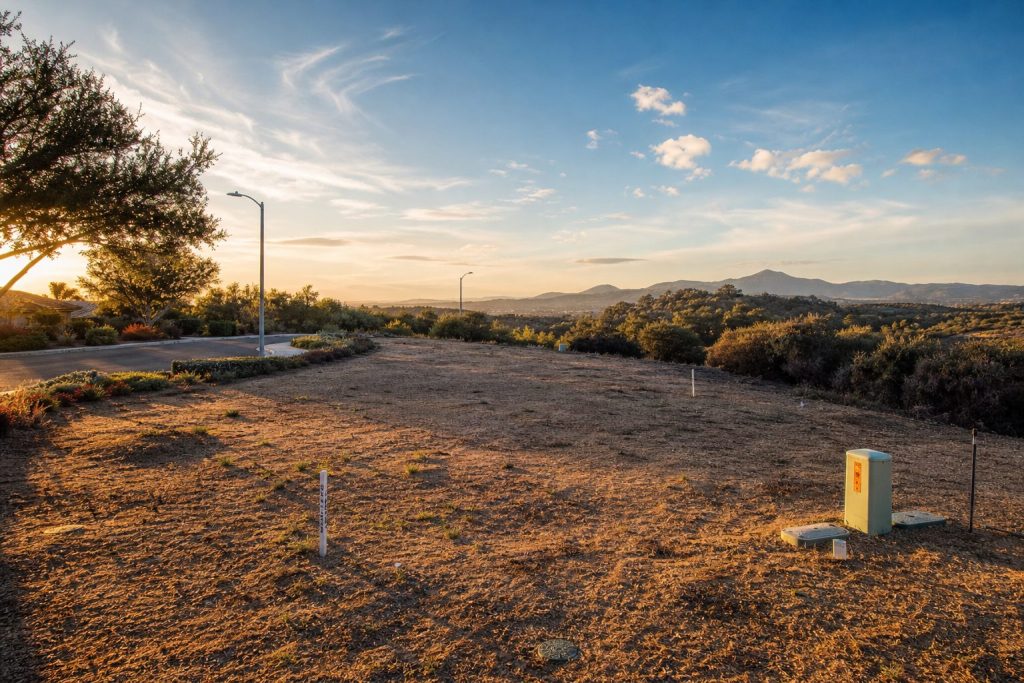
What are the real financing options and lender requirements you need to understand before buying a vacant lot in Otay Ranch, and do land loans work differently than mortgages?
Yes, land loans work very differently from traditional mortgages. You’ll face higher down payments (20% to 50%), shorter loan terms, higher interest rates, and far fewer lenders willing to participate.
Why This Matters Right Now in Otay Ranch
Otay Ranch is one of the few communities in San Diego County where ongoing new construction and planned village expansion still create opportunities for land buyers. With Village 13 moving forward after its legal settlement and Village 8 East adding new residential inventory, this master-planned community continues to grow eastward from Chula Vista.
But here’s what I see trip up so many buyers: they assume financing a vacant lot works the same way as buying an existing home. It doesn’t. Not even close. With 18 years of experience in San Diego real estate and land as one of my specialties, I can tell you that understanding these differences before you start your search will save you months of frustration and potentially tens of thousands of dollars. A cloudy mind can’t make decisions, so let’s clear things up.
How Land Loans Differ from Traditional Mortgages in San Diego
The single most important thing to understand is that lenders view vacant land as a riskier investment than an existing home. Why? Because if you stop making payments, they’re left holding a piece of dirt with no structure to resell easily. That risk shows up in every part of the loan terms.
Here’s how the numbers break down across different loan types:
- Traditional Mortgage: 3% to 20% down, 6.5% to 7.5% interest, 15 to 30 year terms, widely available
- Raw Land Loan: 30% to 50% down, 8% to 12%+ interest, 3 to 10 year terms, very limited availability
- Improved Lot Loan: 20% to 35% down, 7% to 9% interest, 5 to 15 year terms, moderately available
- Construction-to-Permanent Loan: 20% to 25% down, 7% to 8.5% interest (then converts), 12 to 18 months converting to 30 years
What does that actually look like for your budget? If you’re eyeing a $300,000 lot in Otay Ranch, a raw land loan could require $90,000 to $150,000 as your down payment alone, compared to $9,000 to $60,000 for a similarly priced existing home. That’s a significant difference in cash you need ready on day one.
Your Real Financing Options for Otay Ranch Vacant Lots
Construction-to-Permanent Loans: The Practical Path
If you plan to build right away, this is often the smartest route. A construction-to-permanent loan covers both the land purchase and the building process in a single closing, then converts to a standard 30-year mortgage once construction wraps up. You’re typically looking at 20% to 25% down based on the total project cost (land plus construction combined). The key requirement? You need approved building plans, contractor bids, and a realistic timeline before the lender will commit.
Improved Lot Loans: When Infrastructure Exists
Here’s where Otay Ranch can work in your favor. Because it’s a master-planned community, many lots in newer villages already have utilities stubbed, road access established, and zoning approvals in place. That can qualify your lot as “improved” rather than “raw,” which opens up better loan terms. You’re looking at 20% to 35% down with terms of 5 to 15 years. More lenders participate in this category than in raw land lending.
Seller Financing and HELOC Options
Some sellers in San Diego offer direct financing with fully negotiable terms, though this is less common in master-planned communities like Otay Ranch. If you already own a home, tapping your equity through a Home Equity Line of Credit lets you bypass the land loan premium entirely. Your existing home serves as collateral, which carries its own risk, but the rate and terms will likely be far more favorable than any standalone land loan.
Lender Requirements Specific to Otay Ranch San Diego
Lenders don’t just hand over money for vacant land and wish you well. Here’s what I tell my clients to prepare for:
- A Detailed Development Plan. Saying “I’ll build someday” will get you denied. Lenders want specifics: what you’re building, when construction starts, what it will cost, and who your contractor is.
- Environmental and Geotechnical Reports. Otay Ranch sits in terrain that includes wildfire-prone areas with varied soil conditions. Expect lenders to request Phase I environmental assessments and soil studies.
- Proof of Utility Access. Confirmation that water, sewer, and electrical connections are either available or that connection costs (which can run $30,000 to $100,000+ in San Diego) are accounted for in your budget.
- Zoning Confirmation. A letter from the City of Chula Vista confirming the lot is zoned for your intended use.
- Stronger Financial Profile. Most land loan lenders require a 700+ FICO score (some want 720+), a debt-to-income ratio of 36% to 40%, and 6 to 12 months of cash reserves.
That reserve requirement alone catches a lot of buyers off guard. For a traditional mortgage, lenders typically want 2 to 6 months of reserves. For land? Double it.
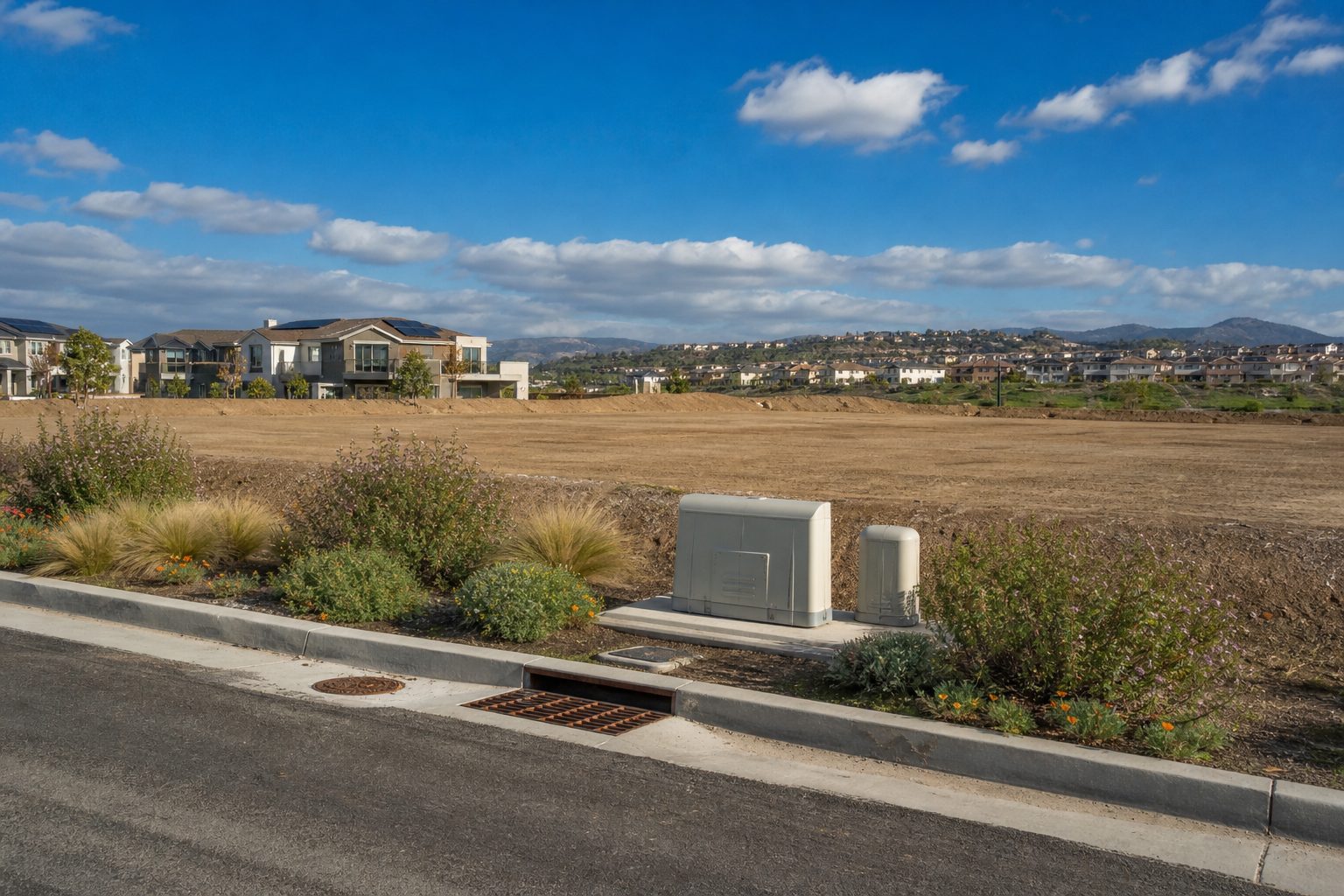
Hidden Costs That Affect Your Otay Ranch Lot Purchase
This is where having an experienced San Diego broker makes a real difference. Having closed over 275 transactions in this market, I can tell you that the purchase price of the lot is rarely the full story.
Mello-Roos and CFD Taxes: Otay Ranch carries Community Facilities District special taxes that fund infrastructure, schools, and parks. These can add $3,000 to $8,000+ per year on top of your base property taxes. Lenders factor these into your debt-to-income calculation, which directly reduces how much you can borrow.
HOA Assessments on Vacant Lots: Many Otay Ranch villages charge HOA fees even when no structure exists on the lot. Confirm whether dues apply during your pre-construction period, because that’s money going out every month with no rental income offsetting it.
Wildfire Insurance Considerations: The Village 13 settlement requires buildings to be fully electric with rooftop solar and includes wildfire surveillance programs, per reporting from local San Diego news outlets. Buyers in fire-prone zones may face higher insurance premiums, and some carriers may decline coverage entirely, which creates complications with lender requirements.
Timeline Carrying Costs: From lot purchase to move-in day can stretch 18 to 36 months. During that entire period, you’re carrying the land loan payment without living in the property or generating any rental income.
What the Otay Ranch San Diego Market Looks Like for Land Buyers in 2026
As of early 2026, the median sale price in Otay Ranch is $785,000, reflecting year-over-year appreciation of approximately 4.8%, according to local market data. Homes in the area average around 43 days on market across all property types. The 91913 zip code continues to operate in inventory-constrained conditions where demand consistently outpaces supply.
For context, the countywide median home price reached $915,000 in October 2026, a 4.2% increase compared with October 2025, per SDAR data. San Diego County listed only 5,717 homes for sale at that time with just 3.1 months of supply.
What does this mean for your lot purchase? Limited inventory and steady appreciation suggest that buying land now and building could position you well, but only if your financing structure actually supports the timeline and carrying costs involved.
San Diego-area credit unions, including institutions like California Coast Credit Union, San Diego County Credit Union, and Mission Federal Credit Union, have historically been among the more willing lenders for land loans. I always recommend consulting with a qualified lending professional who understands the nuances of lot financing in master-planned communities.
Frequently Asked Questions
Can I use a regular mortgage to buy a vacant lot in Otay Ranch?
No. Traditional mortgages are designed for improved properties with existing structures. Vacant lots require specialized land loans, improved lot loans, or construction-to-permanent loans. Each comes with higher down payments and different qualification standards than what you’d encounter buying an existing home in Otay Ranch or anywhere else in San Diego.
How much down payment do I need for a land loan in San Diego?
It depends on the lot type. Raw, unimproved land typically requires 30% to 50% down. Improved lots with utilities and road access usually need 20% to 35% down. Construction-to-permanent loans generally require 20% to 25% of the total project cost, including both the land and the construction budget.
What credit score do I need to finance a vacant lot in Otay Ranch?
Most lenders want a minimum FICO score of 700 for land loans, and some require 720 or higher. This is stricter than conventional mortgage requirements. You’ll also need a lower debt-to-income ratio (36% to 40%) and larger cash reserves (6 to 12 months) compared to a standard home purchase.
Are there Mello-Roos taxes on vacant lots in Otay Ranch?
Yes. Otay Ranch is a master-planned community with Community Facilities District special taxes that can add $3,000 to $8,000+ annually to your property tax bill. These apply to vacant lots, not just finished homes, and lenders include them in your debt-to-income calculations when evaluating your loan application.
How long does it take to build on a vacant lot in Otay Ranch?
From lot purchase through completed construction, expect 18 to 36 months depending on permitting timelines, contractor availability, and the complexity of your build. During this entire period, you’ll carry the land loan payment without rental income or the ability to live in the property.
Can I get seller financing for a lot in Otay Ranch?
Seller financing is possible but less common in master-planned communities like Otay Ranch. When available, terms are fully negotiable between buyer and seller. You bypass bank qualification requirements, but typically pay higher interest rates. I recommend having a real estate attorney review any seller-financing arrangement.
What environmental reports will my lender require?
Given Otay Ranch’s location in areas with varied terrain and wildfire risk, lenders commonly require Phase I environmental assessments and geotechnical (soil) studies. These reports protect both you and the lender by identifying potential issues before closing. Budget a few thousand dollars for these inspections.
Is a construction-to-permanent loan available for Otay Ranch lots?
Yes, and it’s often the most practical path for buyers planning to build immediately. These loans cover both the land purchase and construction in a single closing, then convert to a traditional 30-year mortgage upon completion. You’ll need approved building plans, contractor bids, and a detailed construction timeline.
Do I pay HOA fees on vacant land in Otay Ranch?
Many Otay Ranch villages assess HOA fees on vacant lots, not just completed homes. Confirm whether dues apply during your pre-construction period by reviewing the community’s CC&Rs. This ongoing cost needs to be factored into your carrying cost calculations alongside your loan payments and property taxes.
Should I work with a real estate agent who specializes in land purchases?
Absolutely. Land transactions involve different due diligence than residential home purchases, including zoning verification, utility access confirmation, environmental assessments, and development plan review. With 275 five-star client reviews and land as one of my specialties, I can tell you that the complexity of lot purchases in Otay Ranch specifically calls for experienced local guidance.
The Bottom Line
Buying a vacant lot in Otay Ranch is a fundamentally different transaction than purchasing an existing home. The financing is more expensive, the qualification requirements are stricter, the carrying costs are higher, and the timeline is longer. None of that means it’s the wrong move. It just means you need to walk in with clear eyes and a solid plan.
If you’re seriously considering a lot purchase in Otay Ranch or anywhere in San Diego, I’d welcome the conversation. I’m Scott Cheng, Associate Broker at REAL Brokerage with 18 years of local experience. I offer a complimentary attorney contract review with every transaction, covered by me even if escrow cancels. You can reach me at 858-405-0002 to talk through your specific situation and what financing path makes the most sense for your goals.
Additionally, the Consumer Finance Bureau provides extensive resources on homeownership and financing decisions that may help you understand the broader context of real estate financing.
DRE #01509668 | Equal Housing Opportunity