

Selling Your Marital Home in Rancho Santa Fe During a San Diego Divorce
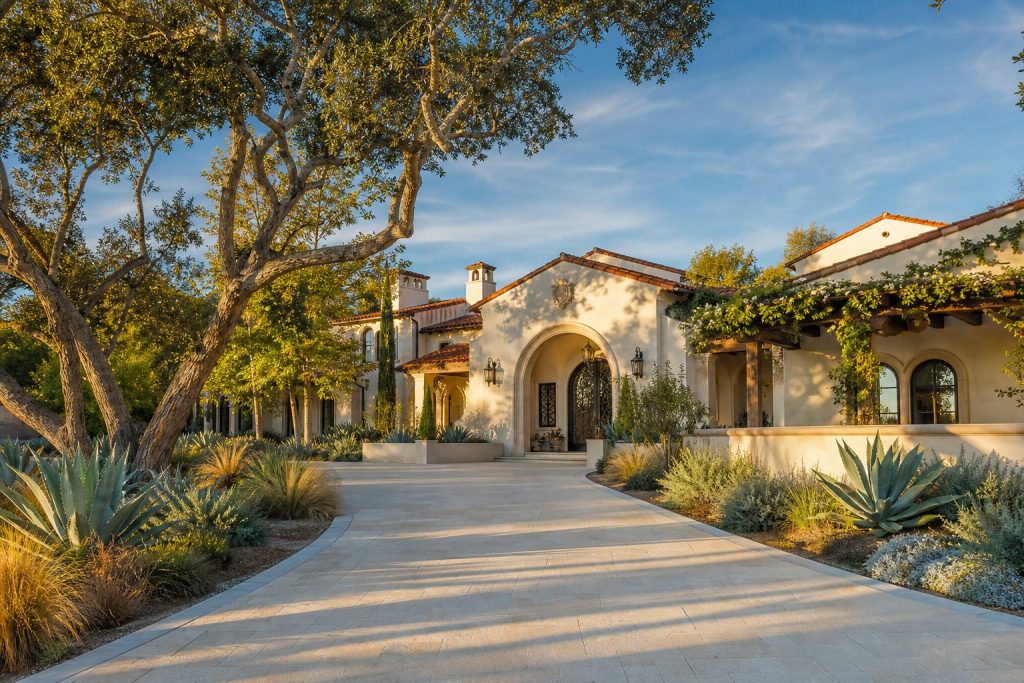
How do you sell your marital home in Rancho Santa Fe when you and your spouse both want the proceeds but disagree on the listing price, and neither of you wants to move out first?
You start with a certified appraisal to establish a neutral value, agree on a listing agent both attorneys approve, and create a showing schedule that addresses the occupancy standoff, because every month of delay in Rancho Santa Fe can cost $15,000 to $25,000 or more in carrying costs alone.
Why This Matters Right Now in Rancho Santa Fe
Here is what makes this conversation urgent. In Q2 2026, the median sales price in Rancho Santa Fe hit $4.53 million, up 11% from Q2 2025, according to local MLS data. Properties priced correctly are moving in a median of roughly 12 days. But here is the other side of that coin: sellers who overprice by even 5% are watching their listings sit for an entire quarter.
That pricing sensitivity is exactly why a disagreement between divorcing spouses about what the home is worth is so expensive. A cloudy mind can’t make decisions, and nothing clouds the mind quite like a contested divorce combined with a multi-million-dollar asset.
I have spent 18 years helping San Diego County homeowners navigate complicated sales, and what I can tell you is this: the couples who reach a resolution fastest are the ones who let market data, not emotions, set the price.
How California Community Property Law Shapes Your Rancho Santa Fe Sale
Before you can settle any pricing disagreement, you need to understand the legal framework. Under California Family Code Section 2550, a home acquired during marriage is community property, and its equity is generally divided equally.
What does that mean practically? A few things:
- Automatic Temporary Restraining Orders (ATROs) under Family Code 2040 prohibit either spouse from transferring or disposing of the property without written consent or a court order. Listing the home qualifies as a transfer, so both of you must sign the listing agreement, or one of you needs a court order.
- Neither spouse can force the other to leave. Both of you have equal possessory rights until the court rules otherwise. This is not a negotiation tactic; it is California law.
- A court-ordered sale is the last resort. If you cannot agree, either spouse can petition the court to order a sale under Family Code 2550. But contested sale proceedings can take 12 to 18 months or longer, and legal fees for contested property disputes commonly range from $15,000 to $50,000 or more, according to California family law practitioners.
The takeaway? Cooperation saves you money. Every dollar spent on attorneys and court referees is a dollar subtracted from the equity you are both trying to protect.
Resolving the Listing Price Disagreement in Rancho Santa Fe
This is the issue I see consume the most time and money in divorce sales. And in Rancho Santa Fe, it is especially tricky because property values span an enormous range. The median list price for active homes in the 92067 zip code sits around $7,745,000 as of August 2026, while the median sold price is closer to $4.7 million. That gap alone shows you how much pricing strategy matters.
Step 1: Commission a Certified Appraisal
Online estimates are not accepted by California family courts. A certified appraisal, typically costing $400 to $800 for standard properties (more for luxury estates), gives you a legally defensible number. Each spouse may commission a separate appraisal, and if results diverge significantly, the court can order a third.
Step 2: Let Market Data Break the Tie
The current median price per square foot for recently sold Rancho Santa Fe homes is approximately $950, while active listings are asking around $1,000 per square foot, per local MLS data as of August 2026. The sale-to-list price ratio sits at approximately 97.5%. Trophy homes in the 6,000-plus-square-foot tier averaged 100 days on market in May 2026 with a sale-to-list ratio of just 89.8%.
So what does that mean for your situation? If one spouse wants to list at the aspirational number and the other wants to list at the realistic number, the data makes a strong case for pricing at or near the most recent comparable sales. Overpricing in this market does not just delay a sale; it actively erodes your proceeds.
Step 3: Consider Mediation Before Litigation
If you and your spouse cannot agree after reviewing appraisals and market data, mediation through your family law attorneys is significantly cheaper and faster than a court battle. In my experience working with divorcing homeowners, a skilled mediator combined with clear market data resolves most pricing standoffs within one or two sessions.
What to Do When Neither Spouse Wants to Move Out First
This is the second major hurdle, and in Rancho Santa Fe it creates a unique problem. Luxury buyers in the $4 million-plus range expect pristine, professionally staged presentations. Two people living in the same home during an emotionally difficult divorce rarely creates the kind of atmosphere that commands top dollar.
Here are the practical options I walk through with clients:
- Voluntary relocation with temporary support. One spouse agrees to move to temporary housing while the home is marketed, with a spousal support order covering the cost. This is the cleanest path to maximizing sale price.
- Alternating occupancy during showings. Both spouses agree to a showing schedule where one leaves during designated times. This requires cooperation but can work in Rancho Santa Fe’s sub-communities like The Covenant, Fairbanks Ranch, or The Bridges, where homes are large enough to stage sections independently.
- Court order for exclusive possession. If cooperation breaks down entirely, either spouse can petition for exclusive possession during the marketing period. Courts consider factors like each spouse’s financial ability to find alternative housing and the presence of minor children.
What I tell my clients is that the occupancy question is really a financial question in disguise. A Rancho Santa Fe home that shows beautifully will sell faster and closer to asking price. A home where two unhappy spouses are tripping over each other during showings will not. That gap in sale price usually dwarfs the cost of temporary housing.

Tax Implications You Cannot Afford to Ignore
Timing your sale correctly can save you hundreds of thousands of dollars. Under IRC Section 121, couples selling before their divorce is finalized can exclude up to $500,000 in capital gains from taxable income, provided the home served as the primary residence for at least two of the five years preceding the sale. After divorce, the individual exclusion drops to $250,000 per person.
For a Rancho Santa Fe home with significant appreciation, that difference matters enormously.
One important nuance: if one spouse moves out during the process but the other remains under a divorce or separation instrument, that time can still count toward the residency requirement for the spouse who left. The IRS also lists divorce as an unforeseeable event, so owners who have not met the full two-year requirement may qualify for a prorated exclusion.
Also worth noting: under State Board of Equalization Property Tax Rule 462.220, a transfer to a spouse or former spouse in connection with a property settlement is not a change in ownership, which protects the existing assessed value if a buyout is part of the discussion.
Choosing the Right Real Estate Agent for a Rancho Santa Fe Divorce Sale
Having closed over 275 transactions with a 5 out of 5 star average across 275 client reviews, I understand how much trust is required when you are hiring someone to manage the largest asset in your divorce. In a situation like this, both spouses (and their attorneys) need to feel confident in the listing agent’s neutrality, market knowledge, and ability to handle sensitive dynamics.
A few things to look for:
- Experience with divorce real estate specifically. Not every agent understands ATROs, court-ordered sales, or how to communicate with two sets of attorneys. How to choose a real estate agent for buying in San Diego offers principles that apply to listing agents as well.
- Deep knowledge of the Rancho Santa Fe sub-markets. The Covenant, Fairbanks Ranch, The Bridges, The Crosby, and The Farms each have different buyer pools and pricing dynamics.
- Professional staging and marketing capability. With 30% of Rancho Santa Fe listings experiencing price decreases per current MLS data, your initial presentation needs to be exceptional.
I also offer a complimentary attorney review of contracts and disclosures with every transaction, covered by me even if escrow cancels. When emotions are running high, having that extra layer of legal review gives both parties added confidence.
Frequently Asked Questions
Can one spouse sell the Rancho Santa Fe home without the other’s consent?
No. Under California Family Code 2040, ATROs prohibit either spouse from transferring or disposing of community property without written consent or a court order. Both spouses must sign the listing agreement. If one refuses, the other can petition the court for authorization, but that process takes time and adds legal costs.
How long does a contested divorce home sale take in San Diego?
A contested sale can take 12 to 18 months or longer depending on court backlog. By contrast, an uncontested sale where both parties agree typically closes in four to six months. Every month of delay in Rancho Santa Fe adds significant carrying costs to the equation.
What are the carrying costs on a Rancho Santa Fe home during a divorce?
For a property valued in the $4 to $5 million range, monthly carrying costs including mortgage, property taxes, insurance, HOA fees, and maintenance can easily exceed $15,000 to $25,000. These costs reduce the equity both spouses ultimately receive.
How is the listing price determined in a divorce sale?
A certified appraisal is the gold standard recognized by California family courts. Online value estimates are not accepted. Each spouse may commission an independent appraisal, and the court can order a third if the two results diverge significantly.
What happens if we overprice our Rancho Santa Fe home?
In the current market, overpricing by even 5% can result in the listing sitting for an entire quarter. The sale-to-list ratio for trophy homes in Rancho Santa Fe was 89.8% in May 2026, meaning overpriced homes often sell at a significant discount after extended time on market.
Can the court force one spouse to move out during the sale?
Yes. Either spouse can petition for exclusive possession during the marketing period. Courts weigh factors such as each spouse’s ability to secure alternative housing and the presence of children. However, voluntary agreements are faster and less costly.
Do we lose the $500,000 capital gains exclusion if we wait too long?
If you sell after the divorce is finalized, each individual can exclude only $250,000 instead of $500,000 as a couple. For Rancho Santa Fe homes with substantial appreciation, selling before finalization can save a significant amount in taxes.
What is a deferred sale order in California?
Under Family Code Section 3800, a court can issue a deferred sale order (Duke Order) to delay the sale when minor children are involved and an immediate sale would be detrimental. This keeps one spouse in the home temporarily while preserving both parties’ equity interests.
Should we each hire our own real estate agent?
No. Having two agents with competing interests creates confusion and often results in a worse outcome. A single neutral listing agent, acceptable to both attorneys, is the cleanest path. With 18 years of experience and a specialty in divorce real estate, I serve as that neutral party regularly.
What if my spouse refuses to cooperate with showings or staging?
If voluntary cooperation fails, you can petition the court for orders regarding property access and showing schedules. Courts generally support reasonable marketing efforts because maximizing sale price benefits both parties equally.
The Bottom Line
Selling your marital home in Rancho Santa Fe during a divorce is emotionally difficult, but it does not have to become financially devastating. Start with a certified appraisal, let the market data settle the pricing disagreement, create a realistic showing plan that addresses the occupancy standoff, and pay attention to the tax timeline. What you need before buying a home in San Diego in 2026 covers foundational real estate knowledge that applies equally to divorce sales. Every month of fighting over listing price or who moves out first is a month of carrying costs quietly eating into both sides’ proceeds.
If you are navigating this situation and want calm, data-informed guidance from a broker associate who has handled divorce real estate across San Diego County, I am here to help. Call me, Scott Cheng, at 858-405-0002, or visit my office at 16516 Bernardo Center Dr. Ste. 300. Let’s build a clear plan so you can move forward with confidence.