

Rent Control and Tenant Eviction Rules for North Park San Diego Multi-Family Investors
What are the real rent control and tenant eviction restrictions you need to understand before buying a multi-family property in North Park, San Diego in 2026?
California’s Tenant Protection Act (AB 1482) caps your annual rent increases at 8.2% in San Diego through July 2027 and requires documented just-cause before you can remove any tenant who has lived in the unit for 12 months or more.
Why Rent Control in North Park Matters Right Now
If you are shopping for a duplex, triplex, fourplex, or larger building in North Park, the regulatory landscape will directly shape your returns. This is not a theoretical concern. Nearly every multi-family property in North Park was built well before 2011, which means virtually all of them fall squarely under AB 1482’s rent cap and just-cause eviction provisions.
Here is what makes this moment unique. According to the Kidder Mathews Q2 2026 San Diego Multifamily Market Report, the average cap rate across San Diego sits at just 4.7%, while vacancy at Class B and C properties is a remarkably tight 3.3%, per Moody’s data from Q1 2026. Strong occupancy is great for income stability, but compressed cap rates mean your margin for regulatory missteps is razor thin. One poorly handled eviction or an illegal rent increase can wipe out months of cash flow in legal costs alone.
With 18 years of experience and 275 closed transactions across San Diego County, I walk my investor clients through these rules before they ever write an offer. A cloudy mind can’t make decisions, and the regulations around North Park multi-family are anything but simple.
How the AB 1482 Rent Cap Works in North Park, San Diego
You need to know the exact math before you underwrite a deal. The California Tenant Protection Act sets the maximum allowable rent increase as 5% plus the regional Consumer Price Index, capped at an absolute ceiling of 10%.
For rent increases taking effect between August 1, 2026, and July 31, 2027, the maximum under the state cap is 8.2% in San Diego. That reflects a regional CPI of 3.2% added to the base 5%.
A few rules catch investors off guard:
- Two increases per year maximum. You can raise rent twice in any 12-month period, but the two increases combined cannot exceed the annual cap.
- No rent banking. If you skipped a rent increase last year, you cannot “bank” the unused increase and stack it onto this year’s raise. Each 12-month period stands alone.
- Vacancy resets are your friend. When a tenant voluntarily vacates or is removed through a lawful at-fault eviction, the rent cap resets. You can re-list at market rate. This is one of the primary economic levers for North Park value-add investors.
So what does that mean for your actual numbers? If a unit currently rents for $2,200 per month, the most you can increase it to is roughly $2,380 in a single 12-month cycle. For a building with below-market rents, that reset-on-vacancy dynamic becomes critical to your long-term pro forma.
Which North Park Properties Are Actually Covered by Rent Control
Not every property falls under AB 1482, but in North Park, you should assume yours does unless you can prove otherwise.
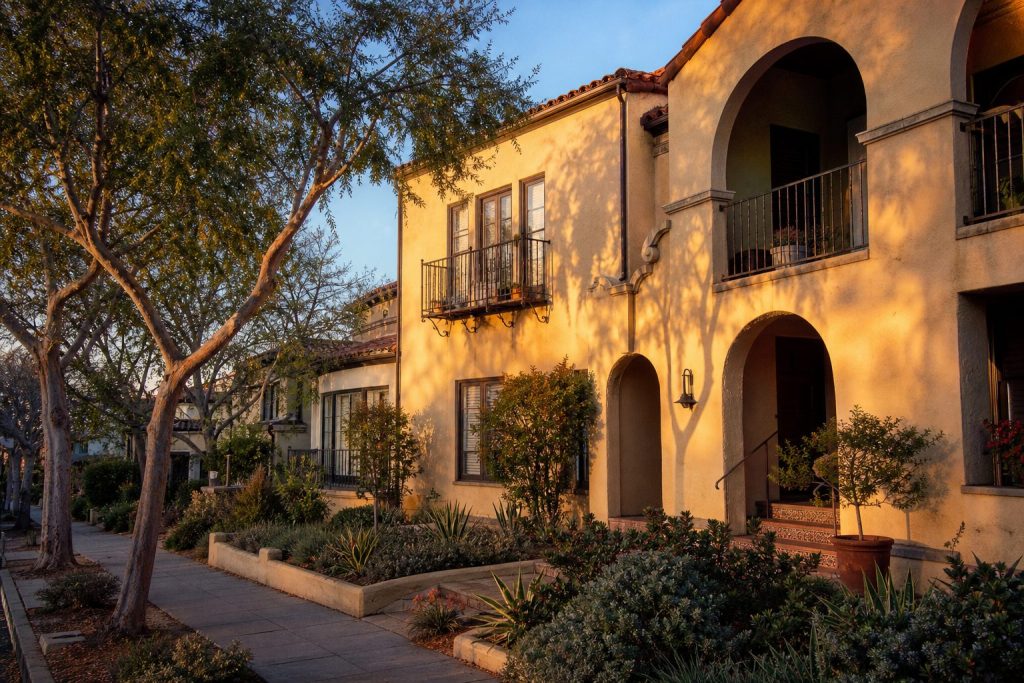
The 15-year rolling exemption means buildings constructed after January 1, 2011 are not covered. In 2026, that threshold is straightforward. But here is the reality: North Park’s housing stock was largely built in the early-to-mid 20th century. The Craftsman bungalows, Spanish-style courtyard apartments, and mid-century fourplexes that define the neighborhood are all well past the 15-year mark.
Properties typically covered in North Park:
- Duplexes, triplexes, and fourplexes built before 2011
- Larger apartment buildings of any age (beyond the 15-year window)
- Mixed-use buildings with residential units
Properties that may be exempt:
- Single-family homes not owned by a corporation, REIT, or LLC with a corporate member, but only if the owner delivers the required statutory notice
- Buildings constructed in 2011 or later (rare in North Park’s core)
- Condominiums with proper notice delivery
What I tell my clients is this: if you are buying a multi-family property in North Park, build your entire financial model assuming AB 1482 applies. If it turns out a unit qualifies for an exemption, that is upside you did not need.
Just-Cause Eviction Restrictions That Shape Your North Park Investment
This is where many first-time multi-family investors in San Diego get caught flat-footed. AB 1482 does not just cap rent. It also requires documented just cause before you can terminate any tenancy that has lasted 12 months or longer.
The law splits just cause into two categories.
At-Fault Just Cause (Tenant Behavior)
These are situations where the tenant has done something to breach the lease:
- Failure to pay rent after proper written notice
- Material lease violations that remain uncured after notice
- Criminal activity on the property
- Refusal to sign a renewal lease with materially similar terms
- Subletting in violation of the lease
With at-fault causes, you are not required to pay relocation assistance, but you must follow the notice and cure procedures exactly.
No-Fault Just Cause (Owner’s Circumstances)
These are situations where the tenant has done nothing wrong, but you have a legitimate reason to recover the unit:
- Owner move-in (you or an immediate family member)
- Withdrawal of the unit from the rental market (Ellis Act)
- Substantial rehabilitation requiring the unit to be vacated
- Government order to vacate
Here is the critical detail: with no-fault evictions, you owe the tenant relocation assistance equal to one month’s rent. And if the tenant has lived in the unit for a significant period, local interpretations and case law can make the process even more complex.
Having closed over 275 transactions in San Diego and working regularly with multi-family investors, I have seen how one misstep in the eviction process can result in months of delays and thousands in legal fees. The process demands precision.
How Smart North Park Investors Underwrite Around These Restrictions
So how do you make the numbers work when rent caps and eviction protections constrain your operating flexibility? You plan for them from day one.
The San Diego multi-family market, per the Kidder Mathews Q2 2026 report, shows average asking rents of $2,453 per unit and an average sales price of $398,509 per unit. Cap rates hold at 4.7%. With vacancy at Class B and C properties sitting at just 3.3% according to Moody’s Q1 2026 data, the demand side remains strong.
Here is how you should think about North Park specifically:
- Target buildings with below-market rents. Natural tenant turnover lets you reset to market rate. In a neighborhood where vacancy runs this low, re-leasing happens quickly.
- Budget for compliance. Factor in legal review costs, proper notice delivery, and potential relocation payments as line items in your operating budget.
- Consider value-add renovation. Substantial rehabilitation can serve as no-fault just cause for unit vacancies while simultaneously increasing the asset’s value. Value-add properties in the Class B/C segment are seeing rent increases of 5.38%.
- Track the rent cap calendar. The San Diego cap dropped from 8.8% (August 2025 to July 2026) to 8.2% (August 2026 to July 2027). Your pro forma should model the current published rates, not assumptions about future CPI.
One thing I always offer my investor clients is a complimentary attorney review of contracts and disclosures, covered by me even if escrow cancels. When you are dealing with existing tenancies, lease assignments, and estoppel certificates, that legal review becomes genuinely valuable.
What Could Change in San Diego’s Regulatory Landscape
AB 1482 is currently set to sunset on January 1, 2030. But you should not assume the rules will simply disappear. California legislators have shown consistent interest in strengthening tenant protections, and San Diego’s City Council periodically considers local overlay ordinances that could add requirements beyond the state framework.
For your planning purposes:
- Assume regulation continues. Whether AB 1482 is extended or replaced, some form of rent regulation is likely to persist in California.
- Watch for local ordinances. San Diego’s housing and tenant protections do not currently include a local rent control ordinance, but proposals surface periodically. Stay connected to a real estate broker in San Diego who tracks these developments.
- Document everything. Proper record-keeping of notices, rent increase letters, lease violations, and cure periods protects you regardless of how the regulatory environment evolves.
Rated 5 out of 5 stars by 275 past clients, I stay on top of these policy shifts because they directly affect how I advise the investors I work with across San Diego County. Best neighborhoods in San Diego for real estate investors will continue to evolve as regulatory landscape shifts.
Frequently Asked Questions
Does the City of San Diego have its own rent control ordinance beyond AB 1482?
No. As of 2026, the City of San Diego does not have a local rent control ordinance. The California Tenant Protection Act (AB 1482) is the governing framework for rent caps and just-cause eviction. However, local proposals surface periodically, so you should stay informed through a knowledgeable San Diego broker.
What is the maximum rent increase I can impose in North Park in 2026?
For rent increases taking effect between August 1, 2026, and July 31, 2027, the maximum is 8.2% in San Diego. This reflects the formula of 5% plus the 3.2% regional CPI. The prior period (August 2025 to July 2026) allowed up to 8.8%.
Can I raise rent to market rate when a tenant moves out of my North Park building?
Yes. When a tenant voluntarily vacates or is lawfully removed through an at-fault eviction, the AB 1482 rent cap resets. You can advertise and lease the unit at whatever the market will bear. This vacancy reset is one of the most important economic mechanisms for value-add investors.
Are all North Park multi-family properties subject to AB 1482?
Nearly all of them are. The 15-year rolling exemption only applies to buildings constructed after January 1, 2011. Since North Park’s multi-family housing stock was predominantly built in the early-to-mid 20th century, virtually every duplex, triplex, and apartment building in the neighborhood is covered.
What happens if I need to evict a long-term tenant for an owner move-in?
Owner move-in is classified as a no-fault just cause under AB 1482. You must provide proper notice and pay the tenant relocation assistance equal to one month’s rent. The process requires strict procedural compliance to avoid legal exposure.
Can I bank unused rent increases from prior years in San Diego?
No. AB 1482 does not allow rent banking. Each 12-month period stands alone. If you did not raise rent in a prior year, you cannot apply a larger increase later to compensate.
How many times can I raise rent in a single year on a North Park unit?
You may raise rent at most twice in any 12-month period, but the two increases combined must still fall within the annual cap (currently 8.2% for San Diego through July 2027).
When do just-cause eviction protections kick in for a new tenant?
The just-cause eviction protections under AB 1482 attach once the tenant has occupied the unit for 12 months. For tenants added to an existing lease, the threshold is 24 months.
What cap rate should I expect on a North Park multi-family property?
According to the Kidder Mathews Q2 2026 San Diego Multifamily Market Report, the average cap rate across San Diego is 4.7%. Transactions have generally landed in a band between 4.5% and 5.5%. North Park Class B and C properties may sit at the higher end of that range.
Is AB 1482 permanent or does it expire?
AB 1482 is currently set to sunset on January 1, 2030. However, legislative efforts to extend or strengthen tenant protections are ongoing. You should build your investment model assuming some form of rent regulation will continue beyond the sunset date.
The Bottom Line
Buying a multi-family property in North Park in 2026 means operating under real regulatory constraints. AB 1482 caps your rent increases at 8.2% through July 2027, requires documented just cause for any eviction after 12 months, and applies to virtually every older building in the neighborhood. These are not optional guidelines; they are enforceable law with financial consequences for noncompliance.
The good news: with Class B/C vacancy at just 3.3%, strong rent growth on value-add properties, and a contracting construction pipeline, North Park multi-family still represents a sound investment when you underwrite it correctly.
If you are evaluating a multi-family purchase in North Park or anywhere in San Diego, I would welcome the chance to walk you through the numbers and the regulations together. You can reach me, Scott Cheng, Broker Associate at REAL Brokerage, at 858-405-0002 or through findyourhomesandiego.com. Clear information leads to confident decisions, and that is exactly what I am here to provide.