

Well and Septic Inspection Requirements for Buying a Farm or Ranch in Ramona San Diego
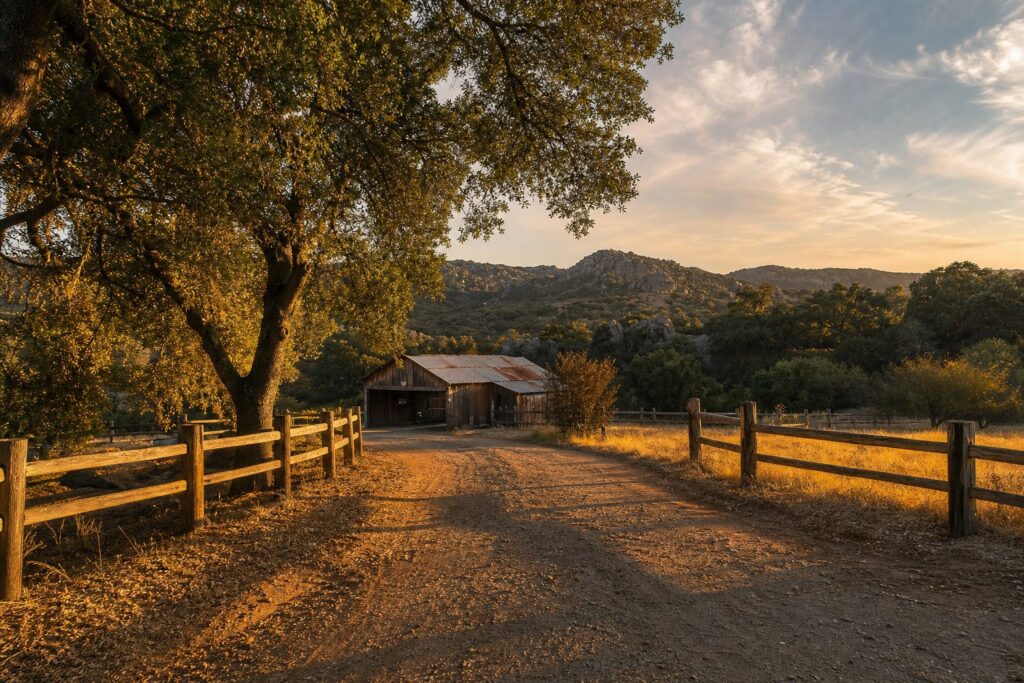
What are the real well and septic inspection requirements I need to understand before buying a farm or ranch in Ramona San Diego in 2026?
You need a professional well inspection covering flow rate, water quality, and casing integrity, plus a full septic (OWTS) evaluation through San Diego County’s Department of Environmental Health and Quality before closing on any Ramona rural property.
Why Well and Septic Inspections in Ramona Matter Right Now
If you’re shopping for a farm or ranch in Ramona, you’re looking at one of San Diego County’s most active agricultural corridors. With roughly 20 farms currently listed at an average price of $1,149,750 and ranches averaging $1,595,000, this is a significant investment. And unlike buying a home in Mission Hills, you’re taking on private infrastructure that the county will never maintain for you.
Here’s what makes 2026 especially important: San Diego County’s Department of Environmental Health and Quality (DEHQ) enacted a new enforcement policy effective July 1, 2026, cracking down on overdue Well Drilling Completion Reports. If the property you’re eyeing has missing documentation, that’s no longer just a paperwork gap. It’s a compliance risk with real consequences, including enforcement fees and potential permit suspensions for future work.
Having closed over 275 transactions across San Diego County over 18 years, I can tell you that well and septic issues are the number one surprise that catches farm and ranch buyers off guard. A cloudy mind can’t make decisions, so let me walk you through exactly what you need to know.
What a Ramona Well Inspection Actually Covers
Most Ramona properties sit on private wells drilled through the Peninsular Ranges batholith, which is primarily granitic and metamorphic rock. Your local geology directly affects drilling depth, water quality, and pump performance. So what should a thorough well inspection include?
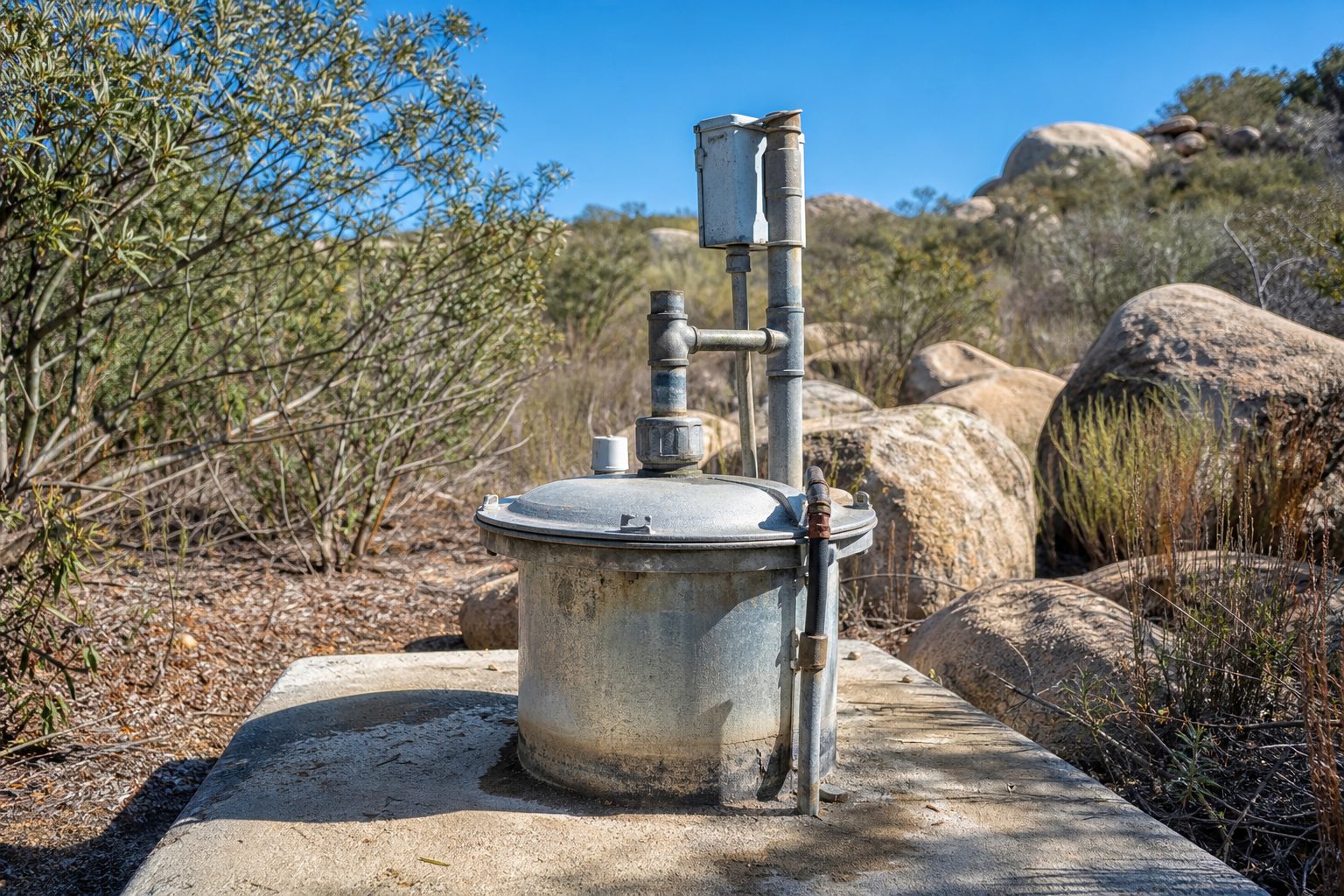
- Wellhead condition and casing integrity to check for surface contamination risks
- Static and pumping water levels to determine how much water the well actually produces
- Flow rate testing (GPM) to confirm the well can support your household and agricultural needs
- Pump performance and electrical systems to evaluate equipment condition
- Water quality testing for bacteria, nitrates, minerals, and other contaminants
What I tell my clients is this: the flow rate number is the one that matters most on a working farm. A well producing 2 GPM might serve a small residence, but if you’re running livestock or irrigating crops, you could need 10 GPM or more. One couple looking at a 40-acre ranch in Ramona Valley fell in love with the property’s equestrian facilities and vineyard potential. During the well inspection, the flow rate came back at just 1.5 GPM. That single data point changed the entire conversation. They were able to renegotiate the price to account for the cost of drilling a deeper well, which saved them tens of thousands of dollars.
Ramona Well Permits and the 2026 Policy Change
San Diego County requires permits for drilling new wells, deepening existing wells, and sealing abandoned wells. Pump repairs and replacements do not require permits. Well permit fees typically range from $1,200 to $2,500 or more, depending on the well type and location. Standard permit processing takes 4 to 8 weeks.
The critical 2026 update: DEHQ now requires that Well Completion Reports be submitted within 60 days of completing work. If a report is overdue beyond 60 days, DEHQ will conduct a site inspection and assess enforcement fees. When you’re buying, ask for a copy of the existing Well Completion Report. If it doesn’t exist or can’t be located, that’s a red flag worth investigating before you remove contingencies.
San Diego County Septic System Requirements for Ramona Properties
Every farm and ranch in Ramona uses an on-site wastewater treatment system (OWTS), commonly called a septic system. There is no municipal sewer service out here. San Diego County DEHQ regulates the construction, repair, and reconstruction of these systems. You can learn more about septic system regulations from San Diego County.
Here’s what your septic inspection should evaluate:
- Tank condition including structural integrity, inlet and outlet baffles, and sludge levels
- Drain field performance confirming the soil is absorbing effluent properly
- System capacity relative to the number of bedrooms and structures on the property
- Soil percolation because Ramona’s soil conditions vary significantly from parcel to parcel
- Setback compliance ensuring 100 feet from any well, plus required distances from property lines and waterways
Why Farm Properties Need Extra Scrutiny
Agricultural properties often have multiple dwellings: a main residence, a guest house, and sometimes worker housing. Each structure with plumbing adds load to the septic system. If the existing system was designed for a single residence and you plan to add a secondary dwelling or expand bedrooms, you may need a system upgrade. That means new perc tests, new permits, and potentially tens of thousands of dollars in construction.
San Diego County also enforces reinspection requirements. Per County Code §68.333, if an OWTS installation or repair doesn’t pass inspection, the property owner must correct the deficiency and pay all reinspection fees. Failure to do so can result in permit revocation or enforcement action.
The 100-Foot Setback Rule and How It Affects Your Ramona Property
San Diego County enforces a 100-foot minimum setback between wells and septic leach fields. This is stricter than many other California counties, and on smaller Ramona parcels, it can significantly limit where you can place or relocate either system.
What does this look like in practice? A buyer I worked with was evaluating a rustic ranch on multiple parcels near Ramona’s gated communities. The property had two wells and an older septic system. One of the wells was only 75 feet from the drain field, which meant it was out of compliance. The seller hadn’t disclosed this, and without a thorough inspection, the buyer would have inherited the problem. We identified the issue during the contingency period, and the buyer was able to negotiate a credit for bringing the system into compliance. For detailed well regulations, you can review San Diego County’s well requirements.
If you’re considering a property with seasonal creeks, the setback requirements become even more complex because of additional buffers from waterways.
What Ramona Farm and Ranch Buyers Should Budget for Inspections
Let me give you a realistic picture of what these inspections cost so there are no surprises:
- Well inspection (comprehensive): Typically $300 to $800, depending on whether water quality lab testing is included
- Septic inspection: Usually $400 to $800 for a standard system evaluation
- Perc testing (if needed): Can run $1,500 to $3,000 or more depending on the number of test holes
- Well permit (new drilling): $1,200 to $2,500 at the county level
- Well drilling (if a new well is needed): Can range from $15,000 to $50,000 or more depending on depth and geology
When you compare these inspection costs to the average farm listing price of $1,149,750, spending $1,000 to $1,500 on well and septic inspections is a small investment that protects a very large one. If you’re making a significant investment in San Diego County real estate, it’s worth understanding what it costs to buy a home in San Diego as a first-time buyer so you can budget accurately for all costs.

How to Protect Yourself During the Ramona Farm Purchase Process
With 275 five-star reviews and a career focused on helping buyers navigate complex transactions across San Diego County, I’ve developed a clear process for farm and ranch purchases in areas like Ramona. Here’s what I recommend:
- Request all existing well and septic documentation before writing your offer, including Well Completion Reports, septic permits, and any maintenance records
- Schedule inspections early in your contingency period since some inspectors in the backcountry are booked 2 to 3 weeks out
- Use inspectors who specialize in rural properties. I maintain a vetted network of inspectors, contractors, and specialists so you’re not scrambling when deadlines hit
- Include a complimentary attorney review. I cover an attorney review of contracts and disclosures for every buyer I work with, even if escrow cancels. On a farm or ranch purchase with well and septic contingencies, this extra layer of protection is especially valuable
- Verify DEHQ compliance by calling (858) 505-6688 or visiting the Land and Water Quality Division at 5500 Overland Avenue, Suite 170, San Diego
Frequently Asked Questions
Does San Diego County require a well inspection before selling a Ramona property?
San Diego County requires well inspections for real estate transactions, and inspection reports are accepted by all major title companies and lenders. As a buyer, you should always include a well inspection contingency in your purchase agreement to protect yourself during the due diligence period.
How much does it cost to drill a new well in Ramona?
Drilling costs vary widely based on depth and geology. In Ramona’s granitic bedrock, new wells can cost $15,000 to $50,000 or more. You’ll also need a county permit ($1,200 to $2,500), and processing takes 4 to 8 weeks for standard domestic wells.
What is the minimum distance between a well and septic system in San Diego County?
San Diego County enforces a 100-foot minimum setback between wells and septic leach fields. This is stricter than some neighboring counties and can limit placement options on smaller parcels, which is common on some of Ramona’s older ranch properties.
Do I need a permit to replace a well pump on my Ramona farm?
No. Pump repairs and replacements do not require permits in San Diego County. Only new well drilling, well deepening, well destruction (sealing abandoned wells), and modifications to the well casing or seal require permits.
What happens if the septic system fails inspection during my Ramona purchase?
Per San Diego County Code §68.333, the property owner must correct the deficiency and have the system reinspected. As a buyer, this gives you negotiating leverage. You can request the seller make repairs, provide a credit, or you can cancel the transaction during your contingency period.
How often should a septic system on a Ramona ranch be pumped?
Most septic systems should be pumped every 3 to 5 years, but agricultural properties with multiple structures or higher-than-average water usage may need more frequent service. Ask the seller for maintenance records going back at least 5 years.
What is a Well Completion Report and why does it matter in 2026?
It’s the official record filed with the Department of Water Resources after a well is drilled. As of July 1, 2026, DEHQ is enforcing stricter timelines on these reports. Missing reports can trigger site inspections and enforcement fees, so verify this document exists before closing.
Can I add a second dwelling to my Ramona ranch without upgrading the septic?
Potentially not. Any structure with plumbing adds load to the septic system. If the existing system was designed for a single residence, adding a guest house or worker housing typically requires a new perc test, engineering review, and possibly a larger system.
What water quality issues are common in Ramona wells?
Ramona wells drilled through granitic rock may show elevated mineral content, and agricultural areas can have higher nitrate levels from fertilizer runoff. A comprehensive water quality test during your inspection is essential, especially if you plan to use well water for livestock or irrigation.
How long do well and septic inspections take in Ramona?
Each inspection typically takes 2 to 4 hours on-site, though water quality lab results may take an additional 5 to 10 business days. Schedule both inspections early in your contingency period because rural property inspectors in San Diego’s backcountry often book up quickly.
The Bottom Line
Buying a farm or ranch in Ramona is one of the most rewarding real estate moves you can make in San Diego County, but only if you go in with clear information. Well and septic inspections aren’t just checkboxes on a to-do list. They’re the foundation of your investment, your water supply, and your daily quality of life on the property.
With 18 years of experience across San Diego County, including work with farm and ranch properties, investment properties, and renovation projects, I approach every transaction the same way: clarity first, so you can make confident decisions. If you’re considering a Ramona farm or ranch and want a calm, data-informed plan to navigate the well and septic process, I’d welcome the conversation. Give me a call at 858-405-0002 or reach out through my office at 16516 Bernardo Center Dr., Ste. 300.
Scott Cheng, Broker Associate, REAL Brokerage, DRE# 01509668