

Should you buy a starter condo in Mission Valley San Diego in 2026 or wait?
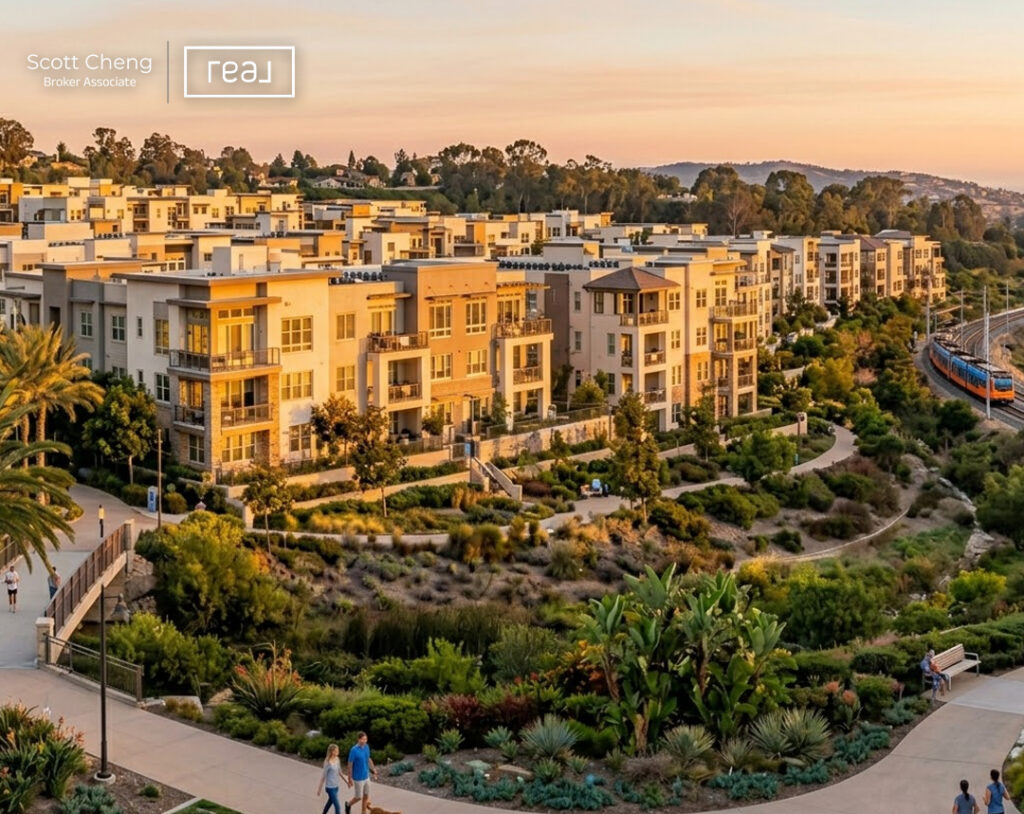
# Should you buy a starter condo in Mission Valley San Diego in 2026 or wait? Is now a good time in 2026 for a first-time buyer with around $100k income to buy a starter condo in San Diego, or is it smarter to wait for prices or rates to come down?
In Mission Valley, buying a starter condo in 2026 can make sense if you can lock a payment you’re comfortable with and target well-priced buildings. Condo prices are flat to slightly down, and waiting may not improve affordability unless rates fall meaningfully.
Why This Matters Right Now in Mission Valley and San Diego
You’re weighing a real trade-off. According to the Greater San Diego Association of REALTORS, the median attached price across San Diego sits around 675,000 dollars, down about 1.5 percent year over year. Detached homes are near 1.1 million, which is why attached housing is the realistic entry point. Days on market for condos ticked up slightly, so you have more room to evaluate than during the peak frenzy, yet weekly market trackers still show a seller-leaning environment.
Mission Valley is a central, condo-heavy neighborhood with trolley access, major retail, and quick freeway connections. If you’re earning about 100,000 dollars, the numbers will be tight at the metro median, but not out of the question if you focus on the right buildings and price bands. A cloudy mind can’t make decisions, so you want clear, local numbers to decide whether to act now or keep renting.
What You Need to Know Before Buying in Mission Valley 2026
You’re not choosing between a bargain now and a bargain later. You’re choosing between stability and the possibility of different forms of pressure. Here’s the backdrop that should frame your decision.
- Prices: SDAR reports the condo median near 675,000 dollars, slightly softer year over year, while single-family pricing is flat and still high. This confirms that condos are where entry-level activity is happening.
- Competition: Sales volume for attached homes is up about 4 percent year over year, and the Market Action Index around San Diego hovers near 50, which points to a seller-leaning market. You’re not facing 20-offer pileups on every unit, but good listings still move.
- Time on market: Days on market for condos increased by roughly 5 percent year over year, giving you a bit more breathing room to complete diligence without rushing.
- Rates: Freddie Mac’s survey shows 30-year fixed rates have floated in the 6 to 7 percent range over the last year. Forecasts from industry groups like the California Association of REALTORS call for gradual, not dramatic, easing.
- Affordability math: On roughly 100,000 dollars income, the total monthly payment on a median-priced condo can exceed 35 percent of gross once you include taxes, insurance, and HOA. That means you either target a lower price point, put more down, or plan on dual income.
You should define a monthly number you can live with first, then back into a target price. That guardrail keeps you from overreaching when a nice unit pops up.
Illustrative payment bands for San Diego condos
For planning only, not a quote: at a 600,000 to 650,000 dollar price with 5 percent down, many first-time buyers see all-in payments in the low to mid 4,000s depending on rate, tax rate, HOA dues, and insurance. If that stretches your 100,000 dollar income, you can look to Mission Valley East or nearby Grantville for lower price points, pair down conveniences you can add later, or consider co-buying to pool income. Always compare multiple lenders and discuss points, fees, and mortgage insurance options to optimize your payment.
How to Compare Your Options in Mission Valley vs. Mira Mesa and Chula Vista
Your choice isn’t just buy vs. wait. It’s this condo vs. that condo, and this neighborhood vs. that commute. Use a simple side-by-side framework to compare Mission Valley with nearby options like Mira Mesa and Chula Vista.
- Mission Valley
– Pros: Central location, MTS trolley access, walkable retail and entertainment, dense condo inventory that gives you selection. – Cons: HOA dues can be higher in amenity-rich buildings, parking can be tighter, special assessments are a diligence item.
- Mira Mesa
– Pros: Proximity to Sorrento Valley and UTC employment hubs, mix of older condos and townhomes with reasonable HOA dues, strong daily-living convenience. – Cons: Fewer walkable entertainment clusters, certain complexes can have older systems that merit careful inspection.
- Chula Vista
– Pros: Historically more attainable price points, new master-planned communities in some areas, larger floorplans per dollar. – Cons: Longer commute to north-inland job centers, HOA and Mello-Roos should be evaluated in total cost of ownership.
Key factors to evaluate:
- Monthly cost predictability: Run side-by-side totals including mortgage, taxes, insurance, HOA, and likely utilities.
- Commute and transit: Mission Valley’s trolley can offset a car-heavy lifestyle; Mira Mesa offers car-centric convenience near employers; Chula Vista may deliver space at the cost of commute time.
- Resale and rentability: Look at historical days on market for similar units, rental caps in HOAs, and community appeal for future buyers.
According to C.A.R. and FHFA trend data, San Diego’s long-term appreciation has been strong. That supports focusing on units with broad buyer appeal, which tend to resell more easily when you move up.
Your Step-by-Step Guide to Buying a Starter Condo in San Diego
You’ll get clarity if you move in a defined sequence and pressure-test your assumptions at each step.
1) Define your monthly comfort band
- Choose a target range you can live with for 5 to 7 years. Keep an emergency buffer separate from down payment funds.
2) Get fully underwritten pre-approval
- Ask a lender for a full underwrite when feasible. Shop at least two to three lenders. The CFPB notes that comparison shopping can improve terms.
3) Align price, down payment, and HOA
- Use your comfort band to set a price ceiling. Include typical HOA ranges for the buildings you prefer.
4) Focus the search map
- Mission Valley, Mission Valley East, and Grantville for central transit-oriented options. Consider Mira Mesa or Clairemont Mesa for north-inland access, or Chula Vista and La Mesa for value.
5) Run building-level diligence
- Review HOA financials, reserves, litigation history, rental rules, and any pending special assessments. Ask about upcoming capital projects.
6) Offer with strong but safe terms
- In San Diego’s seller-leaning market, clean offers help. Keep key protections like inspection and appraisal unless your due diligence and comfort allow tailored adjustments.
7) Inspect with eyes wide open
- Prioritize systems, moisture issues, and windows. In older Mission Valley buildings, check plumbing, waterproofing history, and elevator maintenance.
8) Reconcile the numbers before you remove contingencies
- Re-run final payment with the locked rate, verified taxes, insurance quote, and HOA dues. A small HOA difference can shift the monthly by more than you expect.
9) Plan post-close improvements that change livability
- Low-cost upgrades like lighting, paint, and storage can boost daily enjoyment. Save larger projects until you build equity and cash reserves.
What This Looks Like in Mission Valley San Diego
In Mission Valley, you’ll find a wide spectrum of condo stock, from 1970s garden-style to newer mid-rise communities with amenities. According to SDAR’s county-wide data, attached prices are softer than last year, and Mission Valley reflects that cooling more than single-family neighborhoods do.
- Price bands you’ll often see:
– Older 1-bed and smaller 2-bed units can appear in the 500,000s to low-600,000s depending on condition and complex. – Newer or amenity-rich buildings can trend into the mid to high 600,000s and up.
- HOA ranges:
– Simpler complexes might carry dues in the mid-300s to 500s per month. – Amenity-forward or mid-rise communities can run 600 to 800-plus, sometimes including water, trash, and limited insurance coverage on the structure. Always verify what is included.
- Commute and lifestyle:
– The MTS trolley links Mission Valley to Downtown, Old Town, UC San Diego area connections, and the South Bay. If you value transit, this is a practical hedge against traffic on I-8 and SR-163. – Retail and dining at Fashion Valley and Mission Valley centers keep errands easy, which can matter if you’re trading space for location.
If your income is near 100,000 dollars and you want to stay near central job nodes without a long freeway drive, Mission Valley can be a smart landing zone. If the monthly number strains your budget in newer buildings, consider Mission Valley East or Grantville to open more options.
What Most People Get Wrong About Waiting in San Diego
You often hear “I’ll wait for prices to drop.” In San Diego, that can be a moving target. SANDAG and the City’s housing plans document long-running supply constraints, and while policies encourage more multi-family near transit, new supply tends to arrive slowly. FHFA and C.A.R. data show that over 5 to 10 years, coastal metros like San Diego have trended up in value despite shorter periods of flatness or dips.
If you wait for a 5 to 10 percent price decline but rates do not fall, your payment may barely improve. If rates fall, demand usually jumps and prices or competition can rebound. The smarter approach is to buy when you can secure a payment that fits your life, in a building and location with solid resale appeal. That way, time in the market can work for you.
Frequently Asked Questions
Can you afford a Mission Valley condo on a 100,000 dollar income in 2026?
Possibly, if you target the right price band, compare lenders, and pick buildings with moderate HOA dues. At the county median of 675,000 dollars, the payment can exceed 35 percent of gross, so you may look in the 500,000s to low 600,000s or plan a larger down payment.
Is it smarter to wait for lower rates before buying in Mission Valley?
Not necessarily. If rates fall, demand often increases, which can push prices or competition higher. If you can secure a stable payment you’re comfortable with today on a well-priced unit, buying now can make sense. Refinance later if rates meaningfully improve.
Are Mission Valley HOA dues too high for first-time buyers?
Dues vary widely. Buildings with more amenities or mid-rise construction often have higher dues, sometimes offset by included utilities and insurance. Simpler complexes can be lower. Always evaluate total monthly cost rather than focusing on HOA in isolation.
How competitive are offers for Mission Valley condos in 2026?
San Diego remains seller-leaning, but condos are less overheated than single-family homes. Days on market have inched up for attached units, so you have room to do diligence. Clean, well-prepared offers still stand out, especially on updated units in popular complexes.
What first-time buyer programs can help in San Diego?
Look into options from the San Diego Housing Commission, County-supported programs, CalHFA assistance, and HUD-approved homebuyer education. Income and price caps apply. These can help with down payment or closing costs and can improve your overall affordability picture.
Should you choose Mission Valley, Mira Mesa, or Chula Vista on a budget?
Choose based on your monthly comfort, commute, and lifestyle. Mission Valley offers transit and centrality, Mira Mesa offers proximity to tech and biotech jobs, and Chula Vista can offer more space per dollar. Compare total monthly cost and likely resale appeal in each.
What resale factors matter most for a Mission Valley starter condo?
Focus on parking, in-unit laundry or easy access, a functional 2-bedroom layout if possible, strong HOA reserves, and walkability to transit and retail. These features tend to support faster resale and broader buyer appeal when you move up.
How long should you plan to hold your first Mission Valley condo?
A 5 to 7 year horizon can help you ride out normal market cycles and build equity through amortization. If your plan is shorter, emphasize units with stronger rentability and liquidity, and be extra careful about closing costs and potential special assessments.
Do HOAs in Mission Valley limit renting if you plan to keep the unit later?
Some do. Rental caps, minimum lease terms, and waitlists can apply. Review CC&Rs and HOA rules before you write an offer if future rentability is part of your plan, and confirm any city or complex-specific restrictions.
What inspections are most important in older Mission Valley buildings?
Prioritize plumbing condition, past water intrusion repairs, roof and elevator maintenance, and balcony or deck waterproofing. Review HOA meeting minutes and reserve studies for upcoming projects. This helps you budget and assess risk before you remove contingencies.
The Bottom Line
If you’re earning about 100,000 dollars and want a central San Diego lifestyle, a Mission Valley starter condo in 2026 can be a practical path, provided the total monthly fits your comfort band. County data shows condo prices are flat to slightly down, competition is present but more manageable than during the frenzy, and long-term fundamentals remain strong. Waiting only helps if rates or your financial position improve enough to move the monthly needle. Define your payment first, then target buildings and neighborhoods that match it. That is how you make a confident decision.
If you’re ready to explore your options for buying a starter condo in San Diego, you can talk through specifics for Mission Valley, Mira Mesa, or Chula Vista with Scott Cheng, Associate Broker at Real Brokerage. You’ll get clear numbers, neighborhood context, and a calm plan that fits your timeline.
Phone: 619-846-5843 Office: 16516 Bernardo Center Dr. Ste. 300 Scott Cheng, Associate Broker, Real Brokerage, DRE #01509668
Equal Housing Opportunity. Information is provided for general educational purposes only and is not legal, tax, or financial advice. You should consult appropriate professionals for advice about your situation. All programs, rates, and market conditions are subject to change and may vary by property and borrower profile. A cloudy mind can’t make decisions, so focus on clear numbers and options that fit your life.