
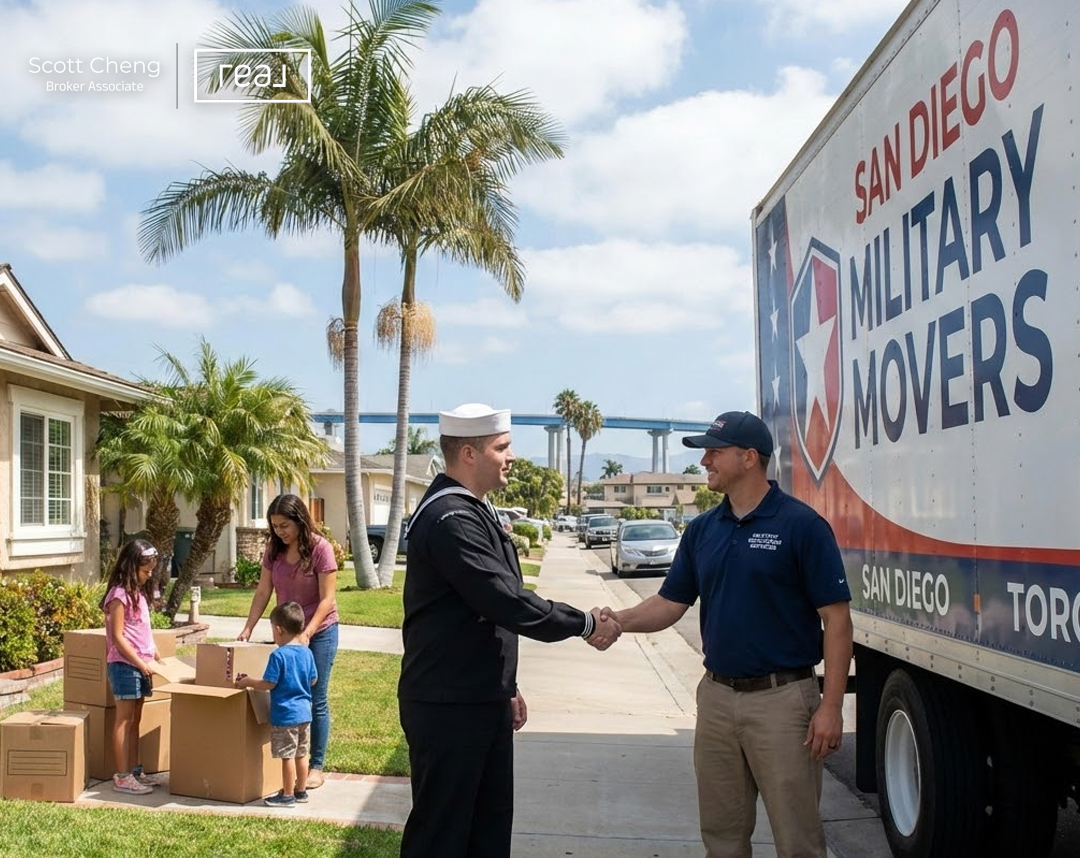
Best Moving Companies for Military PCS Relocations in San Diego 2026: Top Reviews and How to Choose One for Smooth Transition Before Your Orders Deadline
What are the best moving companies for military PCS relocations in San Diego in 2026, and how do you choose one for a smooth transition before your orders deadline?
The best PCS movers for San Diego are DOD-approved carriers with full-value protection, proven on-time delivery, and strong military reviews. You should compare full-service van lines, containerized options, and hybrid plans, then book 8–12 weeks ahead.
Why This Matters Right Now
You’re facing a hard orders deadline, peak-season mover shortages, and the pressure of getting your household goods delivered on time. San Diego runs on tight housing timelines, and local MLS and SDAR reports show prices near $900,000 with homes often taking over a month to sell, so you may be juggling storage and possession dates. Your timing could make or break your move. Capacity tightens from May through August, so you need a DOD-approved mover that can honor a 3-day delivery window and secure base access without drama. Whether you’re focused on San Diego or also considering nearby Poway and Chula Vista, you’ll want a plan that aligns your pickup, storage in transit, and delivery with school enrollment, BAH-driven lease starts, and command report dates. A smart selection now protects your gear, your schedule, and your sanity.
What You Need to Know Before You Choose a PCS Mover
You should start with how your PCS entitlements work, then match them with mover capabilities. You have two main paths: a government-arranged Household Goods (HHG) move or a Personally Procured Move (PPM). Each demands different paperwork, timelines, and risk management.
- HHG basics: A Transportation Service Provider handles packing, loading, shipping, and delivery. You can receive Storage in Transit for up to 90 days initially, with extensions possible if your delivery address is not ready.
- PPM basics: You move some or all items yourself and get reimbursed based on certified weight tickets. This can work well if you want control or need flexible timing.
- Valuation and protection: You’ll want Full Replacement Value, not minimal liability. Confirm coverage limits and deductibles. List high-value items in writing.
- Schedule control: Peak season in San Diego requires 8–12 weeks of lead time for the best carriers. Off-peak often needs 4–6 weeks. Always ask for a 3-day delivery window and written pack/load dates.
- Base access: Your mover must submit driver names, vehicle info, and insurance to the pass office early. You should confirm gate hours, truck routes, and any restrictions.
- Claims: Under the Defense Personal Property Program, you should submit a Notice of Loss or Damage promptly after delivery and file claims within required timelines to preserve Full Replacement Value benefits.
- Specialty items: You should pre-approve crating for TVs, artwork, and oversized items. Confirm shuttle fees if a big truck cannot reach your home.
You’ll get the smoothest PCS when your mover’s commitments match your orders timeline, your lease or closing date, and any kids’ school start dates.
Quick Definitions You’ll Use
- Full Replacement Value: Replaces or repairs items to original condition, not just depreciated cash value.
- Storage in Transit: Short-term storage while you bridge closing or lease dates.
- PPM: You move it yourself and get reimbursed by weight.
How to Compare Your Options
You’ll compare three main approaches: full-service van lines, containerized solutions, and a hybrid. Each has unique tradeoffs for cost, control, and speed.
- Full-service van line: Most turnkey. The crew packs, loads, ships, and delivers door to door. You’ll want a DOD-approved carrier with strong military reviews, consistent on-time performance, and Full Replacement Value included or clearly priced.
- Containerized portable storage: Flexible timing. You load or hire local labor. Great if you need staggered delivery or on-site storage while awaiting keys. Confirm weight capacity, storage fees, and secure facilities near base.
- Hybrid: Combine a smaller HHG shipment for essentials with a container or local storage for non-essentials. This reduces risk if dates slip.
Key factors to evaluate:
- DOD approval and military claims record: You should ask for proof of DOD participation and data on claims ratios for a realistic picture.
- Valuation coverage: You’ll want Full Replacement Value with clearly stated limits and deductibles. Confirm high-value inventory rules.
- Delivery timing: Require written pack, load, and delivery windows. Prioritize reliable 3-day windows during peak season.
- Storage in Transit capacity: You should ask about SIT availability, daily rates after entitlements, and flexibility for extensions.
- Access expertise: The best teams know base gate procedures, condo elevator reservations in Mission Valley or East Village, and HOA certificates of insurance.
- Pricing transparency: You’ll want itemized estimates with shuttle, crating, stairs, long-carry, and weekend fees separated.
- Military discounts and add-ons: Ask about discounts, professional packing for uniforms and gear, and debris pickup after unpacking.
- Customer support: You should get a single point of contact for scheduling, check-ins, and claims.
Top nationally accredited movers with military experience include full-service carriers with ProMover status, firms that advertise military discounts, and containerized specialists you can fold into a PPM or hybrid plan.
Your Step-by-Step Guide
Follow a tight process so your dates line up with your reporting timeline.
1) Lock your dates: Identify your required delivery date and work backward. Book 8–12 weeks ahead for moves between May and August. For off-peak, aim for 4–6 weeks.
2) Choose HHG, PPM, or hybrid: Decide how much control and labor you want. If you choose PPM, plan for vehicle rental or containers and secure certified weight tickets.
3) Pre-qualify movers: Verify DOD approval, USDOT and state licensing, insurance, and ProMover or equivalent credentials. Confirm they have San Diego base access experience.
4) Request written surveys: Ask for a virtual or in-home survey. You’ll want volume and weight estimates in writing and a detailed inventory, including special crating.
5) Compare estimates apples to apples: Line up Full Replacement Value levels, SIT terms, delivery windows, shuttle or long-carry fees, and any peak-season surcharges.
6) Align housing logistics: If you are closing in Clairemont or leasing in Chula Vista, coordinate key exchange, HOA elevator reservations, and certificates of insurance. If your real estate agent in San Diego lines up early possession, adjust pickup dates to minimize storage.
7) Document everything: Photograph high-value items and note serial numbers. Mark pre-existing wear to avoid disputes.
8) Day-of move prep: Reserve parking, clear pathways, and separate hand-carry items like documents, medications, uniforms, and irreplaceable keepsakes.
9) Delivery and inspection: Use a checklist. Note any damage on the inventory at delivery. Retain all paperwork for claims.
10) Claims timing: Submit a Notice of Loss or Damage promptly and file your claim within program timelines for Full Replacement Value.
You’ll stay on schedule if you secure dates early, confirm base access, and keep storage flexible.
What This Looks Like in San Diego
San Diego’s military footprint includes MCAS Miramar, Naval Base San Diego, Naval Base Point Loma, and MCRD. Traffic along I-5, I-15, I-8, and SR-163 can impact pickup and delivery windows, so you should push for morning load times and a 3-day delivery window. Many mid-rise buildings in Mission Valley and East Village require elevator reservations and certificates of insurance, so your mover must coordinate those well in advance. Weather is generally forgiving year-round, but peak-season capacity from late spring to late summer is tight, so you need to lock in your carrier early.
Local MLS and SDAR data show a median sale price around $899,000 in late 2025, with typical market times over a month. If you are buying in a competitive area like Mira Mesa or Clairemont, you may need Storage in Transit to bridge closing or VA appraisal timing. In South Bay communities such as Chula Vista and Imperial Beach, you may find lower price points, which can shift your move-in date sooner. You’ll want your mover to coordinate with your real estate agent in San Diego CA so elevator reservations, HOA approvals, and key handoffs line up.
Neighborhoods to consider in San Diego:
- Clairemont: Central to I-5 and I-805, strong parks, and consistent resale. Typical home prices often fall in the $800,000 to $950,000 range. You’ll like the 20–30 minute access to Naval Base San Diego and MCAS Miramar.
- Mira Mesa: Close to MCAS Miramar with strong school feeders. Prices commonly land in the same $800,000 to $950,000 band. You’ll benefit from easier commutes and balanced amenities.
- Chula Vista: South Bay proximity to Naval Base San Diego with many family-friendly neighborhoods. Lower median prices near the $700,000 range can smooth your budget and reduce storage needs.
Nearby Areas Worth Exploring
You might also consider adjacent communities that mirror similar commute patterns and school options.
- Poway: If you want top-rated schools and a suburban feel within reach of MCAS Miramar, Poway can be a smart option. Prices are often higher than South Bay, but you’ll gain strong community amenities and steady resale.
- Carlsbad: If your duty intersects with Camp Pendleton or North County sites, Carlsbad offers coastal living, strong schools, and varied housing from condos to single-family. Commutes to central bases are longer, so weigh delivery windows and SIT carefully.
- Scripps Ranch: Close to I-15 and MCAS Miramar, with family-friendly parks and respected schools. You’ll like the balance of commute time and neighborhood amenities similar to the best family neighborhoods in San Diego.
What Most People Get Wrong
You often hear that all DOD-approved movers are the same. They aren’t. Service quality and claims performance vary widely, and some carriers subcontract more than others. You also might assume that your delivery date is guaranteed. It usually is not unless it is written with a window and penalties. Another misconception is that Full Replacement Value automatically covers everything without documentation. It doesn’t. You need a high-value inventory and proof of condition.
You may assume you can book late in peak season and still get prime dates. In San Diego, you’ll want 8–12 weeks of lead time for May through August moves. Many people also forget HOA rules. Without a reserved elevator window and a certificate of insurance, your crew can be turned away, which causes more storage fees and missed delivery windows. Finally, if you choose PPM, you might underestimate the work and the need for certified weight tickets. Plan for scale stops, keep copies, and photograph every step so you get reimbursed properly.
Frequently Asked Questions
Which moving companies are best for a San Diego military PCS in 2026?
You should prioritize nationally accredited, DOD-approved carriers with strong military reviews, Full Replacement Value options, and reliable 3-day delivery windows. Reputable choices include full-service van lines with military discounts and containerized specialists for hybrid moves.
How far in advance should you book a PCS mover in San Diego?
Book 8–12 weeks before your move during peak season and 4–6 weeks off-peak. You should confirm pack, load, and delivery windows in writing and verify Storage in Transit availability in case your lease or closing shifts.
Does this advice apply to nearby areas like Poway and Chula Vista?
Yes. In Poway, you should plan for single-family access and longer drive times to some installations. In Chula Vista, you may face condo elevator reservations and HOA insurance certificates. The same rules for DOD approval, valuation, and 3-day windows still apply.
Should you choose Full Replacement Value or minimal liability?
Choose Full Replacement Value. It compensates to repair or replace at today’s cost. You should document high-value items, confirm deductibles, and understand claim timelines so you preserve coverage.
Can you do a PPM and still keep costs under control?
Yes. You can use a PPM or hybrid plan with containers and local labor. You’ll need certified weight tickets, detailed receipts, and photos. Keep careful records and compare the government reimbursement to your actual costs before deciding.
The Bottom Line
The best moving companies for military PCS relocations in San Diego in 2026 are DOD-approved, proven with military families, and transparent about Full Replacement Value, delivery windows, and Storage in Transit. You’ll get the smoothest transition by booking early, aligning pack and delivery dates with your lease or closing, and keeping documentation tight for claims or PPM reimbursement. Whether you are moving within San Diego or exploring nearby Poway and Chula Vista, the same selection criteria and process steps protect your timeline and your belongings. Choose the carrier that matches your orders, your home access needs, and your family’s schedule.
If you’re ready to explore your options for PCS moving and housing coordination in San Diego or nearby communities, Scott Cheng at Scott Cheng San Diego Realtor can walk you through the specifics for your situation.
📞 858-405-0002
DRE# 01509668
Leave a Reply