Sewer Scope vs Full Structural Inspections for First-Time Buyers in Rancho Penasquitos and Scripps Ranch 2026: Top Specialists and How to Choose to Uncover Hidden Issues Before Closing
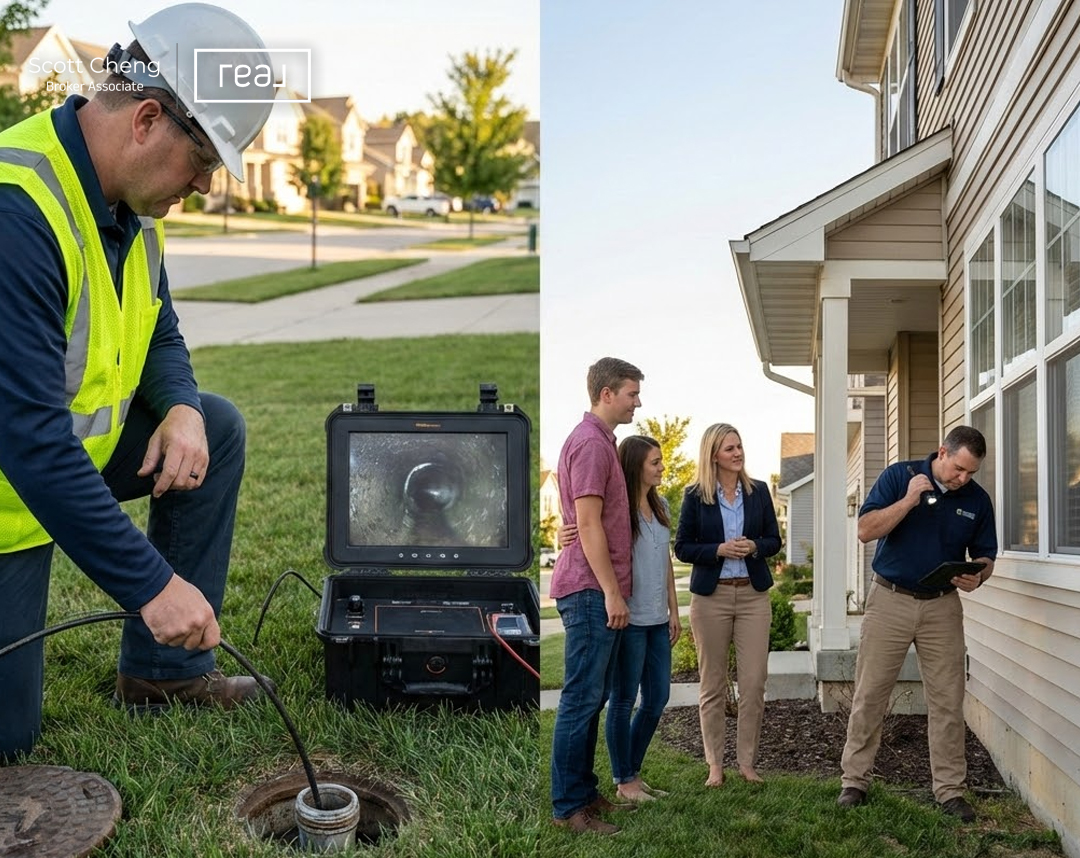
Sewer Scope vs Full Structural Inspections for First-Time Buyers in Rancho Penasquitos and Scripps Ranch 2026: Top Specialists and How to Choose to Uncover Hidden Issues Before Closing
The fastest way to protect your budget is to pair a general inspection with a targeted sewer scope on older or canyon-edge homes, and add a full structural inspection when risk factors show up. In Rancho Penasquitos and Scripps Ranch, this combo prevents surprise five-figure repairs.
Why Does Inspection Timing Matter So Much for First-Time Buyers in Rancho Penasquitos and Scripps Ranch Right Now?
In these low-inventory submarkets, you have one shot to verify hidden risks before your contingency window closes. You are competing in low-inventory submarkets where clean offers and short timelines are common, so your inspection choices must be smart and fast. Local data through late 2025 shows tight supply, quick pendings, and entry-level condos and townhomes moving quickly. If you skip the right inspection, you risk inheriting hidden issues that are expensive to fix and hard to insure. Sewer line failures on older streets and slope movement near canyons can turn a first home into a major project. Your timing could not be more important as new inventory in Torrey Highlands is limited and many Scripps Ranch homes date to the 1970s and 1980s. This same strategy also helps if you are weighing nearby Rancho Bernardo or Poway where home ages and soils vary by tract.
What Should First-Time Buyers Know Before Booking Inspections in These Neighborhoods?
You need two different tools for different risks. A sewer scope is a specialized camera inspection of the main sewer lateral, typically $250 to $400, while a full structural inspection is a comprehensive deep dive into foundation, framing, and drainage that generally runs $800 to $1,200. You need two different tools for different risks. A sewer scope is a specialized camera inspection of the main sewer lateral, typically $250 to $400. It detects root intrusion, offsets at joints, cracks, bellies, and collapsed sections. A full structural inspection is a deep dive into foundation, framing, roof structure, drainage, grading, moisture intrusion, and related systems, generally $800 to $1,200. It is more comprehensive than a standard home inspection and often involves a structural specialist.
Key takeaways:
- Older PQ homes north of SR-56 and classic Scripps Ranch houses around Lake Miramar often have original laterals that may be cast iron or clay, where roots and corrosion are common.
- Canyon-adjacent properties and steep lots face added drainage and settlement risk, so grading and downspout control matter.
- Townhomes and condos may have HOA coverage, but coverage often stops at the exterior walls or at a defined point in the lateral. You still need to confirm responsibility lines.
- Newer Torrey Highlands homes have PVC laterals but still benefit from scopes to verify workmanship and grading that can cause bellies.
When Each Inspection Is Non-Negotiable
You should order a sewer scope if the home is 30 years or older, shows slow drains, has large mature trees near the line, or sits on a canyon edge. You should order a full structural inspection if you see cracks wider than a nickel, doors or windows sticking, sloped floors, water pooling near the foundation, or a history of repairs without permits.
How Do Sewer Scope and Full Structural Inspections Compare for Buyers in Rancho Penasquitos and Scripps Ranch?
A sewer scope targets one specific high-cost risk at low cost, while a full structural inspection provides a holistic view of foundation, framing, and drainage — both are smart defaults given the age and terrain of homes in these neighborhoods. When you compare a sewer scope and a full structural inspection, you are weighing targeted risk versus global risk. A sewer scope is a low-cost, high-yield test that can reveal a single hidden failure that often costs $8,000 to $20,000 to fix. A full structural inspection looks for multiple risk sources that can affect long-term safety, insurability, and resale. In PQ and Scripps Ranch, both are common-sense choices because of the mix of older tracts, canyon edges, and large trees.
Pros of a sewer scope:
- Low cost and quick scheduling
- Visual proof you can use for credits
- Clear pass or fail items like root balls or collapses
Cons:
- Limited to the sewer lateral
- May miss broader drainage or soil issues
Pros of a full structural inspection:
- Holistic view of foundation, framing, and water management
- Early detection of settlement, grading mistakes, or roof structure issues
- Better planning for long-term maintenance
Cons:
- Higher cost and longer onsite time
- Findings may require a structural engineer follow-up
Key factors to evaluate:
- Age and materials: Older clay or cast iron laterals increase scope value.
- Location and lot: Canyon edges, slopes, and heavy trees elevate both scope and structural priority.
- HOA boundaries: Confirm what parts of the line and structure the association maintains.
- Time in escrow: Short timelines favor a general inspection plus sewer scope first, then structural if red flags appear.
- Budget and leverage: Credits often hinge on documented defects. Video and photos help you negotiate.
What Is the Step-by-Step Process for Planning Inspections as a First-Time Buyer?
Start by lining up inspectors before you write an offer, then sequence general inspection, sewer scope, and structural in the first six days of escrow to stay within a seven-day contingency window. Follow these steps:
1) Get pre-offer ready. You should line up inspectors before you write. Ask preferred companies for next-available slots and same-day or next-day reports. You want the option to compress timelines if your contingency is seven calendar days.
2) Write a competitive offer with a smart inspection plan. You can keep contingencies tight but realistic. In a competitive setting, plan a general inspection within 3 days, sewer scope by day 4, and specialty follow-ups by day 6.
3) Sequence the inspections. Start with a general home inspection to identify drainage, roof, plumbing, and electrical issues. Add a sewer scope immediately if the home is 30 years or older, has big trees, or sits near slopes. Order a full structural inspection if the general inspection flags foundation movement, framing concerns, or poor grading.
4) Price the risk. Typical costs you should keep in mind:
- Sewer line replacement: $8,000 to $20,000 depending on length and street work
- Spot repair or trenchless liner: $2,000 to $6,000
- Hydro-jetting to clear roots: $300 to $700
- Drainage improvements and downspout extensions: $2,000 to $10,000
- Foundation repairs if required: $5,000 to $30,000 depending on scope
5) Negotiate with evidence. You should request credits or repairs using videos, photos, and written findings. Credits can cover trenchless liners, point repairs, grading fixes, or gutter extensions that stop water from reaching the foundation.
6) Add protection where it helps. A home warranty with plumbing or sewer add-ons can offset surprise failures, especially on older lines. Typical premiums run $400 to $750 per year, with optional coverage for systems and appliances.
7) Lock in closing tasks. Schedule any re-inspections before contingency removal. Confirm permits for structural work and verify HOA responsibility if you are buying a condo or townhome.
What Do Inspection Decisions Look Like on the Ground in Rancho Penasquitos and Scripps Ranch?
In Rancho Penasquitos, older tracts near Black Mountain often have original cast iron or clay laterals where a sewer scope is the default smart move; in Scripps Ranch, mature trees near Lake Miramar and decades-old roof framing make both a scope and a structural review worth the investment. In Rancho Penasquitos, classic tracts near Black Mountain Open Space Park and older pockets around Town Center feature homes from the 1970s and 1980s where original sewer laterals are common. You will want a sewer scope and a strong look at grading. Torrey Highlands brings newer construction with modern materials but still merits a scope to verify slope and workmanship, especially if the lot backs open space. In Scripps Ranch, the village-style streets around Lake Miramar have mature trees and some older infrastructure. A sewer scope frequently pays for itself, and a full structural inspection evaluates past settlement, deck attachments, and roof framing that can be decades old.
Local timing and cost realities matter. With tight inventory and quick pendings, you will benefit from inspectors who can mobilize fast and produce same-day summaries. You should ask for sample reports and confirm whether video is provided. For 2026, top local specialists buyers often consider include SD Home & Pest Inspections, Inspectorpro San Diego, and Sunrun Inspection Services. You will want to interview two options and compare turnaround times, video quality, and whether the inspector will brief you on site.
Neighborhoods to consider in Rancho Penasquitos, Scripps Ranch:
- Torrey Highlands: Newer builds with modern laterals and HOAs, higher price points, easier sewer access but still verify slopes near open space.
- Black Mountain area in PQ: Older stock with possible cast iron or clay lines, strong family amenities, sewer scope is a smart default.
- Lake Miramar area in Scripps Ranch: Mature trees near laterals, established homes, great trails and parks, scope plus structural review recommended.
Nearby Areas Worth Exploring
- Rancho Bernardo: Similar commute along I-15, a mix of 1970s to 1990s homes, and several age-restricted communities. You will see varied sewer materials and some slope sites, so scopes and drainage reviews are smart. Prices can be comparable but vary by tract.
- Poway: Strong schools and larger lots in many areas. Older ranch homes may need both sewer scopes and drainage evaluations. You will appreciate clear city permit records and straightforward commute options to Sorrento Valley.
- Carmel Mountain Ranch: Primarily 1980s to 1990s construction with planned communities and smaller lots. Newer materials reduce some risks, but you should still scope if trees or slopes are present.
What Mistakes Do First-Time Buyers Most Often Make with Inspections in These Markets?
The most common mistake is assuming a general home inspection or a remodeled appearance eliminates the need for a sewer scope — underground risks are invisible until they are very expensive. You might assume new or remodeled homes do not need a sewer scope. Many do. Construction debris, bellies from grading, or improper connections can cause early failures. You might think the HOA always covers the entire sewer line. Many associations only maintain to a defined point, leaving the owner responsible for the lateral from the unit to the main. You might believe a general home inspection is enough. It is the starting point, not the finish line, especially on older or canyon-edge properties. You might think the seller disclosure is complete. Sellers often do not know what is underground or behind walls. Finally, you might skip inspections to win in a competitive scenario. That strategy can backfire if you inherit a hidden $15,000 to $25,000 repair. You protect your budget and negotiating power when you verify the big-ticket risks early.
Frequently Asked Questions
Is a sewer scope still worth it if the general inspection finds no plumbing issues?
Yes. General inspections do not camera the lateral, which is where big surprises hide. A scope can reveal roots, offsets, and collapses long before slow drains show up. You get a video and a clear path to negotiate credits or repairs.
How fast can you complete these inspections in a seven-day contingency?
You can usually schedule a general inspection within 48 hours, a sewer scope within 72 hours, and a full structural within 3 to 5 days. Ask inspectors for rush options, same-day summaries, and weekend availability to stay inside tight timelines.
Does this advice apply to Rancho Bernardo and Poway too?
Yes. Rancho Bernardo has mixed-age tracts where scopes uncover aging laterals, and Poway’s larger lots and older ranch homes benefit from sewer scopes and drainage checks. You should always confirm HOA limits, tree proximity, and lot grading patterns.
Who pays for inspections, and can you negotiate credits?
You typically pay for inspections, then use the findings to request seller credits or repairs. Sellers often agree to trenchless liners, point repairs, or drainage fixes when you provide clear reports, photos, and video evidence that quantify the problem.
Which specialists should you interview for 2026 in PQ and Scripps Ranch?
You should consider SD Home & Pest Inspections, Inspectorpro San Diego, and Sunrun Inspection Services. Ask about pricing, video deliverables, experience with canyon-edge lots, and turnaround time. Choose the team that explains findings clearly and documents them well.
The Bottom Line on Sewer Scope vs Full Structural Inspections for First-Time Buyers in Rancho Penasquitos and Scripps Ranch
You reduce risk the most when you combine a general home inspection with a sewer scope on older or canyon-edge homes and add a full structural inspection when red flags appear. In Rancho Penasquitos and Scripps Ranch, this targeted plan fits the age of housing, tree density, and slope patterns you see in many tracts. You protect your budget, improve your negotiating leverage, and avoid inheriting five-figure problems. Whether you buy in these neighborhoods or consider nearby Rancho Bernardo and Poway, the same principles apply. Verify the underground, confirm the structure, and use clear documentation to secure credits or repairs before you remove contingencies.
If you’re ready to explore your options for inspections and negotiation strategy in Rancho Penasquitos, Scripps Ranch, or nearby communities, Scott Cheng at Scott Cheng San Diego Realtor can walk you through the specifics for your situation.
📞 858-405-0002
DRE# 01509668
16516 Bernardo Center Dr. Ste. 300
You will want an experienced real estate agent San Diego CA buyers trust. Work with top San Diego real estate agents who can coordinate inspectors quickly, interpret findings, and negotiate confidently so you protect your first-home investment with precision.
Have Questions About San Diego Real Estate?
Scott Cheng provides free, no-obligation consultations for buyers, sellers, and investors.
Schedule a Consultation