How Long Does Probate Take in San Diego in 2026
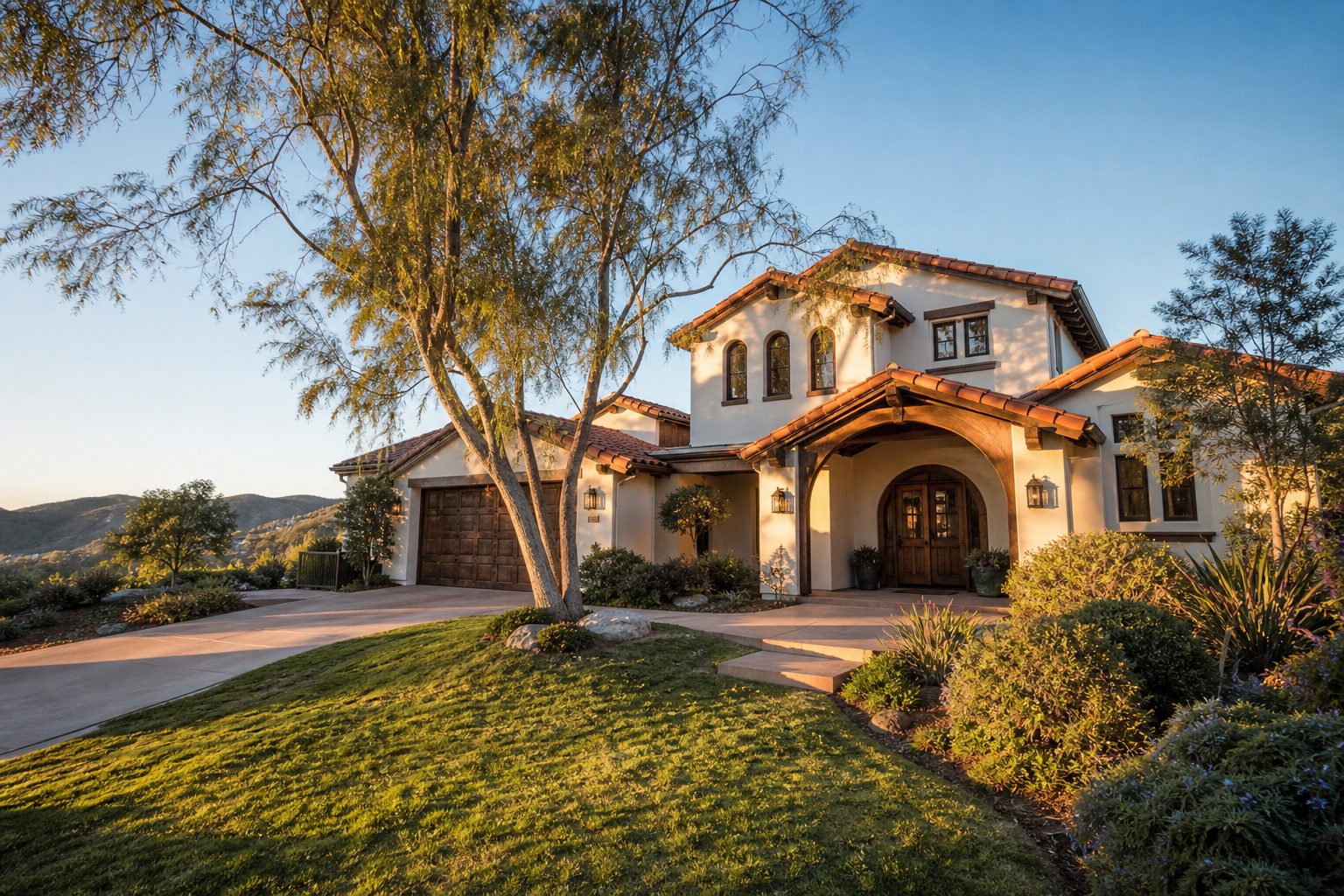
If you’ve inherited a home in San Diego, how long does probate actually take, and can you sell the property before the court process wraps up?
In San Diego, probate typically takes 9 to 18 months for a straightforward estate, and yes, you can sell the inherited house during probate, not after, if the executor has the proper legal authority from the court.
Why This Matters for San Diego Heirs Right Now
Here’s what makes this question urgent in 2026. The San Diego County median home price sits around $925,000, up 2.3% year over year. That means the inherited property you’re now responsible for likely carries significant monthly carrying costs: property taxes, homeowner’s insurance, maintenance, and possibly a mortgage payment. Those costs can easily reach $1,500 to $2,000 per month or more.
Every month probate drags on, you’re paying to hold a property you may not want. And with California’s Proposition 19 now in full effect, holding an inherited home without making it your primary residence could trigger a property tax reassessment to current market value. A home your parents bought for $150,000 in the 1980s could suddenly be reassessed at over $900,000, and that new tax bill would land squarely on your shoulders.
So the stakes are real. Let me walk you through what the timeline actually looks like in San Diego, and where you have options to move faster.
The San Diego Probate Timeline, Phase by Phase
I’ve helped families across San Diego County navigate probate sales for 16 years, and the question I hear most often is, “Can we just get this done in a few months?” I wish the answer were always yes. Here’s the realistic breakdown.
Filing the Petition and Getting Your Court Date
Your first step is filing a probate petition with the San Diego County Superior Court. If the deceased lived in Rancho Bernardo, Scripps Ranch, or Mira Mesa, you’d file in the appropriate division. From filing to your initial court hearing, expect roughly 2 to 4 months. San Diego’s probate court calendar tends to be less congested than Los Angeles County, which handles over 12,000 estate filings per year, but scheduling still takes time.
The Mandatory Creditor Claim Period
California Probate Code Section 9100 requires a minimum four-month window for creditors to file claims against the estate. This is non-negotiable. No judge, no attorney, no executor can shorten this period. It sets a hard floor of roughly six months minimum for even the simplest estate.
For more information about California’s probate procedures, visit California’s Probate Self-Help Resources.
Estate Administration
During and after the creditor period, the executor handles inventory, appraisals, debt payments, and tax filings. For a simple estate with one property and cooperative heirs, this phase runs 2 to 6 months. For a family navigating disagreements about whether to sell a cherished home in Mission Hills or keep it in the family, this phase can stretch considerably.
Final Distribution
The closing petition and court approval for distribution typically adds another 2 to 4 months.
What the Total Looks Like
- Simple estate, cooperative heirs: 9 to 12 months
- Typical estate with real property: 12 to 18 months
- Complex or contested estate: 2 to 4 years
One family I worked with inherited a home in Rancho Peñasquitos. Three siblings, everyone agreed on the plan, no will contest, clean title. Even with everything going smoothly, the process took 11 months from petition to close of escrow. That’s about as fast as it gets.
Can You Sell the Inherited House During Probate in San Diego?
Yes. And this is where I see a lot of confusion. You do not have to wait until the entire probate case is closed to sell the property. You can list, market, and sell the home during the probate process, once the executor or administrator has the proper court authority.
Here’s the key distinction.
Full Authority Under California’s IAEA
If the court grants Full Authority under the Independent Administration of Estates Act, the executor can sell the home without needing a separate court confirmation hearing. They provide notice to heirs and beneficiaries, and if nobody objects within 15 days, the sale moves forward, similar to a standard real estate transaction. This is the faster path, and it’s what I recommend families discuss with their probate attorney from the start.
Limited Authority (Court Confirmation Required)
With limited authority, the executor can still list the property and accept offers, but the sale requires a court confirmation hearing. At that hearing, other bidders can show up and submit competing bids, called overbids. This process protects all interested parties, but it can add weeks to months to your closing timeline and introduces uncertainty for buyers.
What I tell my clients is this: knowing which path you’re on, full or limited authority, determines your entire selling strategy. If you’re working with a real estate agent in San Diego who doesn’t understand probate sales, you could find yourself losing qualified buyers who don’t want to wait for court confirmation.
What You Need Before You Can List the San Diego Inherited Property
Before any title company or buyer will move forward, you need specific legal documentation in hand.
- Letters Testamentary or Letters of Administration issued by the San Diego County Superior Court
- Certified copies of the death certificate
- A clear understanding of your authority level (full IAEA vs. limited)
Without these, you simply cannot sign a binding sales contract. A cloudy mind can’t make decisions, and neither can an estate without proper paperwork.
Watch for Title Issues
Inherited homes sometimes carry title complications: old liens, outdated deeds, or co-ownership disputes. In San Diego’s high-value neighborhoods, from Carmel Valley to North Park, where homes regularly sell above $1 million, resolving title issues before listing saves you from derailing a sale mid-escrow.

The Financial Reality of Holding vs. Selling During Probate in San Diego
Here’s where the math matters. California calculates probate attorney and executor fees on the gross estate value, not the net value after debts. Under Probate Code Sections 10810 through 10811, statutory fees are:
- 4% of the first $100,000
- 3% of the next $100,000
- 2% of the next $800,000
- 1% of amounts above $1 million
For an inherited San Diego home valued at $925,000 with a $400,000 mortgage, the fees are still calculated on the full $925,000. Combined attorney and executor statutory fees on that amount would total approximately $42,500, plus court filing fees, probate referee fees, and publication costs. Total probate costs typically land between 4% and 7% of the gross estate value.
One family I worked with in Scripps Ranch initially planned to hold the inherited home and rent it out while probate played out. But between property taxes approaching reassessed levels under Proposition 19, insurance, maintenance on a 30-year-old roof, and monthly carrying costs, they were spending nearly $2,500 per month. After we ran the numbers together, they decided to list during probate under full IAEA authority. The home sold in 22 days, and the proceeds went into the estate account to cover debts and distributions cleanly.
The Step-Up in Basis Advantage
If you do sell during or after probate, you benefit from the “stepped-up basis” rule. You’re only taxed on appreciation that occurs after the date of death, not from when your parents originally purchased the home. In a market like San Diego where homes have appreciated dramatically over decades, this can save you tens of thousands in capital gains taxes. California has no separate estate or inheritance tax, though any gains are taxed as ordinary income at the state level.
When Multiple San Diego Heirs Can’t Agree on Selling
If three siblings inherit a home equally, each owns a one-third share. One sibling cannot sell the entire property without the others’ agreement. However, any co-owner can file a partition action to force a sale through the court if the family can’t reach consensus.
Having closed over 275 transactions in San Diego County, I’ve seen sibling disagreements turn a 12-month probate into a multi-year process. The most effective approach is getting everyone in a room early, reviewing the carrying costs honestly, and aligning on a timeline before emotions escalate.
When families can agree, the sale often unfolds smoothly. When they can’t, the court steps in, and nobody wins financially.
Frequently Asked Questions
How long does simple probate take in San Diego in 2026?
A straightforward estate with cooperative heirs and no will contest typically takes 9 to 12 months in San Diego County. The mandatory four-month creditor claim period alone sets a minimum floor. Court scheduling, appraisals, and final distribution add the remaining months.
Can I list the inherited house before probate is finished?
Yes. Once the executor receives Letters Testamentary or Letters of Administration, the property can be listed. With full IAEA authority, you can sell without a separate court confirmation hearing. With limited authority, the sale requires court confirmation.
What is the Independent Administration of Estates Act?
The IAEA allows an executor with full authority to manage estate business, including selling real property, without seeking court approval for each action. This significantly speeds up the sale process compared to a fully court-supervised probate.
How much does probate cost in San Diego?
California probate costs typically range from 4% to 7% of the gross estate value. Statutory attorney and executor fees are calculated on the gross value, not net equity. Court filing fees start around $435 per petition, with additional costs for appraisals and publication.
Do I have to pay capital gains tax when selling an inherited home in San Diego?
You benefit from a stepped-up basis, meaning you’re only taxed on appreciation after the date of death. California has no estate or inheritance tax, but capital gains from the sale are taxed as ordinary income at the state level.
What happens if siblings disagree about selling the inherited property?
Any co-owner can file a partition action to force a court-ordered sale. This is costly and time-consuming. Reaching agreement early and reviewing the financial carrying costs honestly usually leads to better outcomes for everyone.
Does Proposition 19 affect my inherited San Diego home?
Yes. Under Proposition 19, unless you make the inherited property your primary residence within one year and meet specific value criteria, the property may be reassessed to current market value, significantly increasing annual property taxes.
Can I avoid probate entirely in San Diego?
If the estate was held in a living trust, the property can transfer without probate. California also offers simplified procedures for real property valued up to $750,000, but with San Diego’s median home value exceeding $925,000, most inherited homes will require formal probate.
How long does court confirmation take for a probate sale?
Court confirmation hearings are typically scheduled 30 to 60 days after the executor accepts an offer. At the hearing, overbids can be submitted, potentially changing the buyer. This adds significant time and uncertainty compared to a full IAEA authority sale.
Should I make repairs to the inherited home before selling?
It depends on the property’s condition and your timeline. With 16 years of experience helping sellers in neighborhoods from Mira Mesa to Carmel Valley, I’ve found that targeted repairs, clean landscaping, and a deep clean often yield strong returns without major renovation. Every situation is different, and the estate’s budget matters.
The Bottom Line
Probate in San Diego in 2026 typically takes 9 to 18 months, but you do not have to wait until the end to sell the inherited home. With proper legal authority, you can list and close during the process. The key is getting clarity early: what type of authority the executor holds, what the carrying costs look like, and whether all heirs are aligned.
With 180 five-star client reviews, 275 closed transactions, and recognition as a top 1% real estate agent in San Diego County, I bring calm, clear guidance to families navigating exactly this situation. If you’ve inherited property in San Diego and want to understand your options, reach out at 858-405-0002 or connect with me, Scott Cheng, at my Bernardo Center Drive office. A clear plan makes everything easier.
*This blog is for informational purposes only and does not constitute legal or tax advice. Consult a probate attorney and tax professional for guidance specific to your situation.*
Have Questions About San Diego Real Estate?
Scott Cheng provides free, no-obligation consultations for buyers, sellers, and investors.
Schedule a Consultation