

How SB 79 Transit Upzoning Affects San Diego Home Sellers in 2026
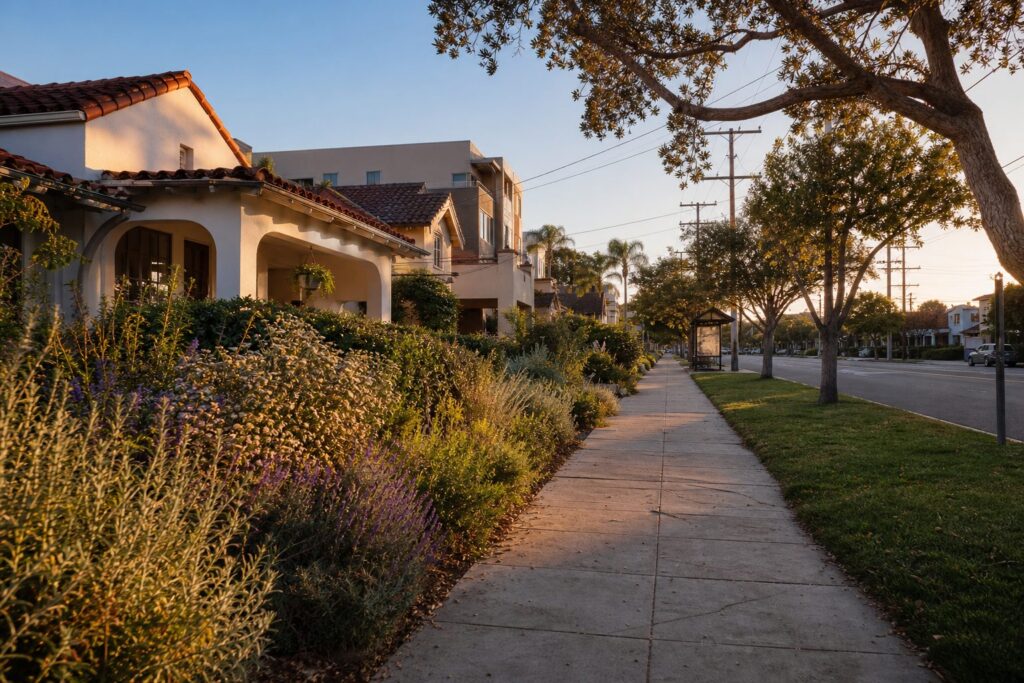
How do new transit fares and housing legislation like SB 79 impact your home’s value if you’re selling in San Diego?
[SNIPPET ANSWER: SB 79 transit upzoning could allow up to 467,000 new high-density housing units across San Diego, and if your home sits near a newly classified transit stop, developer demand for your lot may significantly increase your property’s value.]
Why San Diego Sellers Need to Understand Transit Legislation Right Now
Here’s what I’ve been telling my clients for months: the connection between SANDAG fare increases and the new federal housing bill isn’t a coincidence. Both are part of San Diego’s controversial, accelerating push toward Transit-Oriented Development. And if you own property anywhere near a transit corridor, this directly affects your selling strategy.
Senate Bill 79, the Abundant and Affordable Homes Near Transit Act, was signed into law on October 10, 2025, and took effect on July 1, 2026. The city originally estimated that only four bus stops, in addition to San Diego’s 47 trolley stations, would qualify for transit upzoning. Then SANDAG determined that 21 bus stops meet the criteria. That expansion could push the total number of new allowable housing units from roughly 367,000 to approximately 467,000.
What does that actually mean for you if you’re thinking about selling? It means neighborhoods previously zoned exclusively for single-family homes near these newly classified transit stops could see developers buying up lots at a premium to build multi-family apartments. Whether that excites you or concerns you, a cloudy mind can’t make decisions, so let’s get into the specifics.
What SB 79 Means for Your San Diego Property Value
If your home is within a half-mile of a qualifying transit stop, SB 79 changes what can be built on or near your lot. The height and density allowances are significant:
- Within 200 feet of a qualifying stop: Buildings up to 85 feet tall with a density of 140 dwelling units per acre
- Within one-quarter mile: Up to 65 feet tall with 100 dwelling units per acre
- Between one-quarter and one-half mile: Up to 55 feet tall with 80 dwelling units per acre
For context, many coastal areas of San Diego cap building height at 30 feet. So a parcel that currently supports one 1,400-square-foot bungalow could suddenly be eligible for a multi-story residential project.
I recently worked with a homeowner on Dwight Street in North Park who was debating whether to sell this year or wait. When we looked at the SANDAG draft SB 79 Transit-Oriented Development Map released on June 18, 2026, we discovered her property sat within a quarter-mile of a newly qualifying bus stop along 30th Street. A developer had already approached her neighbor. She listed, priced strategically based on both the home’s livability value and its land value under the new zoning, and received two offers above asking within 14 days.
That’s the kind of scenario playing out right now across North Park, City Heights, Bay Park, and the UTC/UCSD corridor. The immediate changes on July 1 primarily hit these areas, along with Normal Heights and neighborhoods along the Mid-Coast Trolley extension in Clairemont.
Which San Diego Neighborhoods Are Most Affected by Transit Upzoning
The City Planning Department confirmed that the first wave of SB 79 implementation focuses on areas outside low-resource zones that don’t include designated historic resources, aren’t subject to sea-level rise, and aren’t in very high fire severity zones. A significant portion of San Diego’s eligible parcels will be delayed until 2027 or as late as 2031 through the city’s phased exemption process.
Here’s where the action is right now:
- North Park and Normal Heights: Bus corridors along University Avenue and 30th Street are under active SANDAG review. North Park’s median home price hit $1.0M in January 2026, up 12.2% year over year, and single-family homes are trading around $1,132,000. Developer interest in parcels near qualifying stops is adding fuel to an already hot market.
- Bay Park and Clairemont: The Blue Line stations added during the $2 billion Mid-Coast Trolley extension in 2021 are triggering upzoning in surrounding blocks.
- UTC/UCSD area: Already a dense, transit-heavy corridor, this area will see expanded building allowances near trolley and bus stops.
So how do you know if your home is in a TOD zone? The SANDAG draft map from June 18, 2026, is the resource to check. With 16 years of experience and over 275 transactions closed across San Diego County, I can tell you that most homeowners I speak with have no idea whether their property falls within these boundaries. That’s a problem, because it directly affects your pricing strategy and the type of buyer you attract.
How the Federal Housing Bill and SANDAG Fares Connect to Your Sale
The 21st Century Road to Housing Act passed Congress with veto-proof two-thirds margins in both chambers. While it doesn’t pour direct federal funding into affordable housing, it streamlines building and financing for affordable projects, restricts large institutional investors from buying single-family homes, and makes single-staircase housing developments easier to construct.
By one estimate, San Diego County is short almost 130,000 affordable homes. The federal bill, combined with SB 79’s local upzoning and SANDAG’s expanded transit classifications, creates a policy environment designed to dramatically increase housing supply in transit-rich neighborhoods.
For sellers, this creates a unique window. Right now, your single-family lot near a transit stop carries a premium because developers need land to build on. But as more high-density units come online over the next several years, the supply-demand equation shifts. If you’re considering selling a property in one of these corridors, timing and strategy matter more than they have in years.
One couple I worked with in Clairemont Mesa had been on the fence about selling for over a year. Their mortgage rate was 3.1%, and the idea of trading into a mid-6% rate felt painful. But when we ran the numbers and factored in the developer interest their lot was attracting due to proximity to a Mid-Coast Trolley station, the equity gain from selling now versus waiting outweighed the rate difference by a comfortable margin. They closed above asking and used the proceeds to downsize into a paid-off condo in Rancho Bernardo.
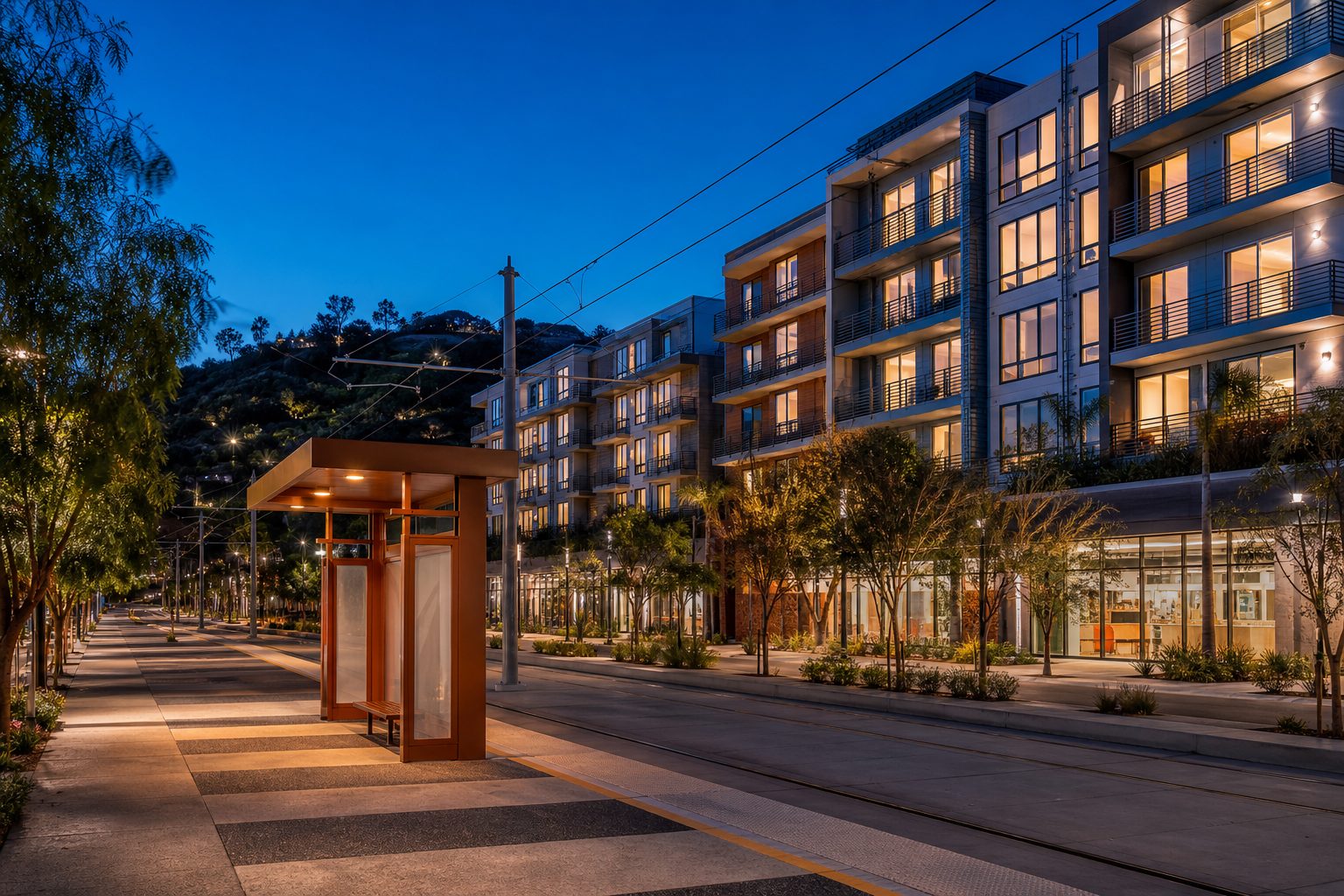
How to Price Your San Diego Home if You’re in a TOD Zone
Pricing a home in a transit-upzoning corridor requires a different approach than standard comparable-sale analysis. You’re not just selling a home anymore. You may be selling development potential.
Here’s what I walk my clients through:
- Assess livability value versus land value. A 1,200-square-foot Craftsman bungalow on Pershing Avenue in North Park might comp at $1.1M based on recent sales. But if the underlying lot qualifies for 65-foot-tall construction under SB 79, a developer may value it significantly higher.
- Identify your buyer pool. Are you marketing to families who want to live in the home, or to builders who want to tear it down? Often, it’s both, and your pricing strategy should reflect that dual audience.
- Check exemption timelines. If your area’s SB 79 implementation is delayed until 2027 or 2031, the development premium is more speculative. If you’re in a July 1 implementation zone (North Park, Bay Park, UTC), the premium is real and immediate.
- Factor in the broader market. San Diego County’s median sale price was $925,000 in May 2026, up 1.3% year over year, and homes are selling in a median of 18 days. Inventory is down 12.4% from last year. The market is working in your favor.
With 180 client reviews averaging a perfect 5 out of 5 rating, one thing I consistently hear from past sellers is that clear information early in the process made all the difference. As one recent client put it: working with someone who is diligent, knowledgeable, and honest made the entire process smooth and stress-free.
What San Diego Sellers Should Do Before Listing Near Transit
If you own property anywhere near a transit corridor in San Diego, here’s a practical checklist before you list:
- Review the SANDAG SB 79 TOD map to determine whether your parcel falls within a qualifying zone and which tier applies
- Understand the phased implementation and whether your area is subject to exemptions for fire risk, sea-level rise, historic designation, or low-resource classification
- Get a professional pricing analysis that accounts for both residential comparables and potential land value under the new zoning
- Consult with a real estate broker who understands TOD implications. This isn’t a standard transaction; it requires someone who can evaluate development potential alongside market value
- Consider your timeline. The first wave of development interest is happening now, but the full buildout under SB 79 will unfold over years
Frequently Asked Questions
What is SB 79 and how does it affect San Diego homeowners?
SB 79, the Abundant and Affordable Homes Near Transit Act, requires San Diego to increase housing density near qualifying transit stops. Buildings up to 85 feet tall can be approved within 200 feet of eligible stops. If your home is near one of these locations, your lot may carry additional development value that affects your selling strategy and price.
How many new housing units could SB 79 create in San Diego?
Initial City Planning Department estimates projected approximately 367,000 additional units. However, after SANDAG determined that 21 bus stops qualify (compared to the city’s initial estimate of four), some projections suggest the total could rise to approximately 467,000 units over the coming years as implementation expands.
Which San Diego neighborhoods are affected first by SB 79?
The July 1, 2026, implementation primarily impacts North Park, Normal Heights, City Heights, Bay Park, Clairemont (near Mid-Coast Trolley stations), and the UTC/UCSD area. Other neighborhoods may be phased in through 2027 or as late as 2031 depending on exemption factors.
Will SB 79 increase or decrease my San Diego home’s value?
For properties on or near qualifying transit stops, land values are likely to increase as developers compete for parcels with expanded building rights. However, homes further from transit stops in the same neighborhood may experience different effects as the character of nearby blocks changes.
How does the federal housing bill affect San Diego sellers?
The 21st Century Road to Housing Act streamlines affordable housing construction and financing while limiting institutional investors from buying single-family homes. Combined with SB 79 locally, it signals a major push to increase housing supply, which could affect long-term appreciation patterns.
Should I sell my San Diego home now or wait if I’m in a TOD zone?
Developer interest is high right now in first-wave implementation zones. As more high-density supply comes online in the years ahead, the premium developers are willing to pay for single-family lots may shift. Every situation is different, so a personalized analysis of your specific parcel and timeline is essential.
What is a Tier 2 transit stop under SB 79?
Tier 2 stops allow projects up to 55 feet tall with 80 units per acre within a half-mile, 65 feet with 100 units per acre within a quarter-mile, and 85 feet with 140 units per acre within 200 feet. SANDAG released the draft map identifying qualifying stops on June 18, 2026.
Are any San Diego areas exempted from SB 79 upzoning?
Yes. Areas with designated historic resources, high fire severity zones, sea-level rise exposure, and low-resource neighborhood classifications may receive delays or full exemptions. The city is phasing implementation accordingly.
How do SANDAG fare increases relate to housing legislation?
SANDAG’s fare structure and transit expansion directly determine which stops qualify under SB 79’s upzoning criteria. More qualifying stops means more neighborhoods affected. The fare increases and expanded service are part of the same Transit-Oriented Development strategy that drives SB 79.
Can I sell my ADU separately from my main home in San Diego?
Yes. As of March 2026, San Diego County adopted an ADU ordinance amendment under Assembly Bill 1033 that allows separate sale of accessory dwelling units through a condominium conversion process. This creates new options for homeowners looking to maximize the value of their property.
The Bottom Line for San Diego Sellers
San Diego’s transit upzoning under SB 79 is not a distant policy discussion. It is actively reshaping property values in neighborhoods like North Park, Bay Park, Clairemont, and the UTC corridor right now. If you own a home near a qualifying transit stop, you may be sitting on more value than you realize, and the window to capture that premium is open.
As an Associate Broker ranked in the top 1% of San Diego real estate agents, I help sellers navigate exactly these kinds of complex situations with clear information and calm strategy. If you want to know whether your property falls in a TOD zone and what that means for your sale, reach out to me, Scott Cheng, at 858-405-0002 or visit my office at 16516 Bernardo Center Dr. Ste. 300 in Rancho Bernardo. Let’s get you a clear picture so you can make a confident decision.