Worth-It Repairs and Upgrades Before Listing Your Home in Kensington San Diego
What repairs and upgrades are actually worth doing before listing my home in Kensington San Diego in 2026 to maximize my sale price without over-improving?
Focus your budget on deferred maintenance fixes, kitchen and bath refreshes that honor the architecture, and curb appeal. Skip gut renovations and trendy upgrades that clash with Kensington’s Spanish Revival character.
Why Kensington Sellers Need a Different Strategy in 2026
Here’s the thing about Kensington that makes it different from most San Diego neighborhoods: the architecture *is* the product. Buyers shopping along Adams Avenue and the leafy side streets near Marlborough Drive are paying a premium for 1920s and 1930s Spanish Revival character, Richard Requa’s Mediterranean details, red tile roofs, and arched doorways. If you strip all that out and replace it with cold-white modern finishes, you’ve actually reduced what makes your home special.
With only 1.8 months of detached inventory in Kensington and a year-to-date median sale price of $1,555,000 for single-family homes, the market is tight. But “tight” doesn’t mean “anything sells.” At $895.91 per square foot, buyers at this price point are sophisticated. They notice deferred maintenance. They also notice over-improvement that fights the home’s DNA. Your job is to find the sweet spot between the two.
Having closed over 275 transactions in San Diego and worked alongside investors and homeowners on flips and remodels, I can tell you that knowing where to stop spending is just as important as knowing where to start.
Essential Repairs Every Kensington Seller Should Handle Before Listing
These are non-negotiable. Skip any of these and you’re handing your buyer a negotiation lever that could cost you far more than the repair itself.
Electrical Panel Upgrades
Many Kensington homes still have outdated electrical panels from the original 1920s and 1930s construction. Upgrading to 200-amp service is expected at the $1.5M+ price point and eliminates one of the most common inspection red flags. What I tell my clients is simple: if an inspector flags your panel, the buyer’s lender may require the upgrade anyway, and now you’re negotiating under pressure instead of on your terms.
Plumbing: Galvanized Pipe Replacement
Original galvanized pipes are a known issue in pre-war homes throughout Kensington and neighboring Talmadge. Partial or full re-piping with copper or PEX removes a major buyer objection before it even surfaces. One Kensington seller I worked with had been putting off a re-pipe for years. When we addressed it before listing, their home went under contract in 11 days with no repair requests. The cost of the re-pipe was a fraction of what they would have conceded in negotiations.
Roof, Foundation, and Termite Clearance
- Roof condition: A roof certification or recent repair receipt removes one of the biggest items buyers use to negotiate price reductions
- Foundation and grading: Kensington’s canyon-adjacent lots can have drainage concerns. Visible cracks or settling need to be addressed before photos go live
- Termite clearance: A Section 1 clearance for active infestation and damage is virtually required in San Diego transactions. At this price tier, Section 2 clearance for conditions conducive to infestation is increasingly expected as well
High-Impact Cosmetic Upgrades That Pay Off in Kensington
This is where the magic happens, and where most sellers either spend too little or way too much. In 16 years of helping San Diego homeowners prepare their properties, I’ve seen the same pattern: the upgrades that honor the home’s original character consistently outperform generic modern finishes.
Kitchen Modernization (Not Gut Renovation)
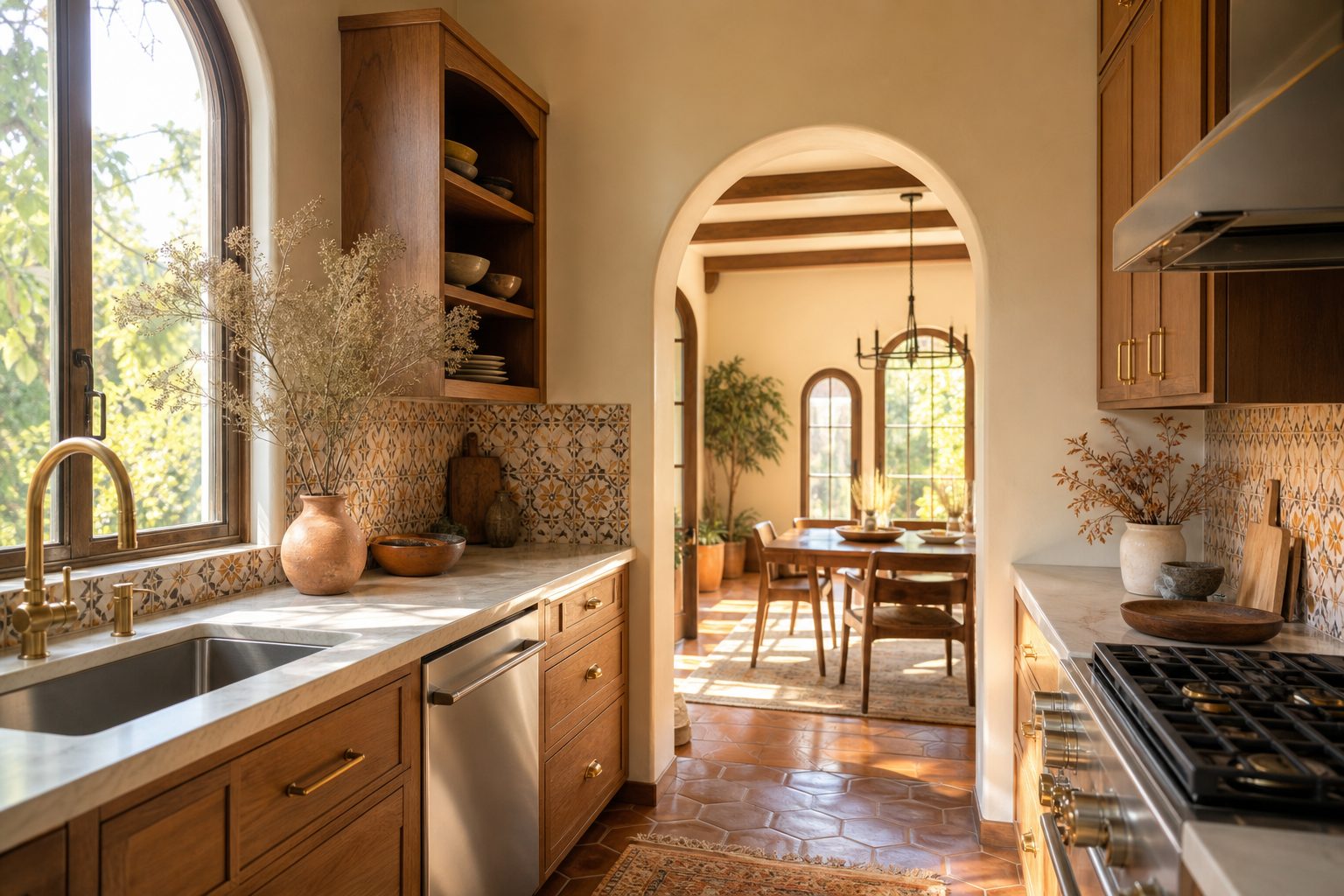
You do not need a $90,000 kitchen remodel to move the needle in Kensington. What works here is a thoughtful refresh. Refinish or paint existing cabinets, upgrade countertops to quartz or a warm natural stone, install period-appropriate hardware, and swap outdated appliances for stainless steel. Think warm tones, a hand-painted tile backsplash, and details that complement the arched doorways in the next room. This is not the neighborhood for an all-white, flat-panel kitchen that belongs in a downtown loft.
Bathroom Refresh
Re-grout or replace tile, update fixtures to brushed brass or oil-rubbed bronze, and add frameless glass shower enclosures where appropriate. Here’s a detail that surprises many sellers: if your Kensington home has original period tile in good condition, *keep it*. That vintage hex tile or colorful deco border is a selling point, not something to rip out.
Interior Paint and Hardwood Floors
Fresh, warm-neutral paint throughout is one of the highest-ROI improvements at any price point. For Kensington’s architecture, lean toward warm whites and soft earth tones. They photograph beautifully and let the arched windows and plaster details speak for themselves.
Many Kensington homes have original hardwood hiding under carpet. Exposing and refinishing those floors is a high-value move that aligns perfectly with what buyers expect from a character home in this neighborhood.
Upgrades That Kensington Sellers Should Skip in 2026
So what should you avoid? This is where sellers lose money by over-improving.
- Full gut renovations: You won’t recoup a $150,000 kitchen teardown. The delta between a refreshed kitchen and a brand-new one doesn’t justify the spend at Kensington’s price point
- Trendy modern finishes that clash with the home’s era: Waterfall-edge countertops, ultra-modern light fixtures, and minimalist cabinetry can actually turn off Kensington buyers who are specifically seeking character
- Pool installations: Kensington lots are generally modest in size. Adding a pool eats into usable yard space and rarely recoups the full investment
- Luxury landscaping overhauls: Drought-tolerant, California-native plantings are practical and desirable. But spending $25,000 on elaborate hardscaping won’t move your sale price proportionally
- Smart home technology beyond basics: A smart thermostat and video doorbell are expected. A full home automation system is a personal preference, not a value-add
One couple I recently guided through a pre-listing plan had budgeted $40,000 for a backyard renovation. After walking the property together, we reallocated most of that to the kitchen refresh, hardwood refinishing, and a clean, simple landscape cleanup. Their home sold for $38,000 above their original price target. The lesson: spend where buyers look, not where you enjoy hanging out on weekends.
How Kensington’s Market Data Should Guide Your Budget
Let me put the numbers in context. Kensington detached homes are selling at a median of $1,555,000, up 6.3% year over year, according to SDAR data for ZIP 92116. Active listings average $895.91 per square foot. County-wide, the detached median is $1,125,000 with 2.4 months of supply.
What does that actually mean for your renovation budget? It means you’re selling to a smaller, more discerning buyer pool. With conforming loan limits at $1,104,000 for San Diego County in 2026, most Kensington buyers need jumbo financing or significant cash. These are not first-time buyers who will overlook deferred maintenance. They expect the home to be *ready.*
At the same time, around 41% of San Diego homes are currently selling above asking price, with the strongest competition for well-priced single-family homes in central and coastal neighborhoods. Kensington fits squarely in that category. If your home is properly prepared and priced, multiple offers are still very much in play.
The sweet spot for pre-listing investment in Kensington typically runs between 1% and 3% of your expected sale price. For a $1.55M home, that’s roughly $15,000 to $46,000, focused on the items I’ve outlined above.
Curb Appeal and First Impressions Along Adams Avenue and Beyond
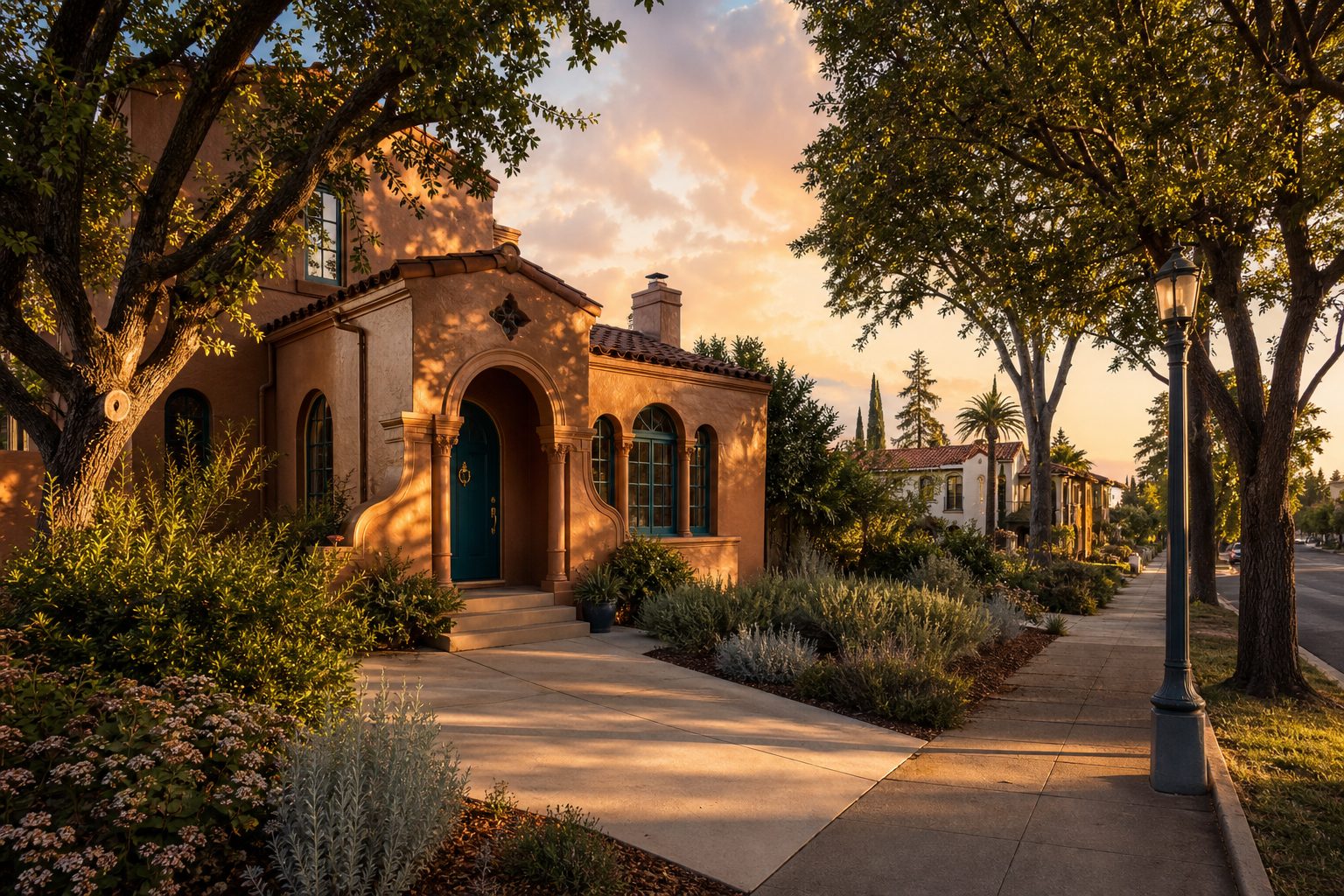
Kensington buyers often fall in love with the neighborhood before they fall in love with a specific house. They’ve walked Adams Avenue, grabbed coffee, and imagined living on one of those tree-lined streets with the classic streetlights. Your home’s exterior is the first thing that either confirms or contradicts that dream.
- Clean up the front landscape: Trim overgrown hedges, add drought-tolerant color, and make sure the walkway is clear and inviting
- Power wash stucco, driveway, and walkways: Kensington’s Mediterranean-style homes show dirt and age on stucco surfaces. A professional power wash can take years off the exterior
- Paint or refresh the front door: A bold, period-appropriate front door color draws the eye and signals that the interior has been cared for
- Address any visible exterior deferred maintenance: Cracked stucco, peeling paint on trim, or a sagging fence sends the wrong message to buyers who are about to spend $1.5M+
With 180 five-star reviews from past clients and a track record as a top 1% real estate agent in San Diego, I’ve seen firsthand how curb appeal alone can shift a buyer’s emotional response before they ever step inside.
Frequently Asked Questions
How much should I budget for pre-listing repairs in Kensington?
Plan for 1% to 3% of your expected sale price. For a home in Kensington’s current median range of $1,555,000, that’s roughly $15,000 to $46,000. Prioritize structural and mechanical fixes first, then allocate remaining budget to cosmetic improvements that honor the home’s architectural character.
Should I renovate my Kensington kitchen before selling in 2026?
A full gut renovation is rarely worth the cost. Instead, focus on a smart refresh: paint cabinets, upgrade countertops to quartz or natural stone, swap appliances to stainless steel, and add period-appropriate hardware. In Kensington’s Spanish Revival homes, warm tones and tile backsplashes outperform cold modern finishes.
Is hardwood floor refinishing worth it in Kensington homes?
Absolutely. Many Kensington homes have original hardwood under carpet. Exposing and refinishing those floors is one of the highest-ROI pre-listing improvements you can make. Buyers shopping in this neighborhood specifically value original character details, and refinished hardwood delivers that.
Do I need a termite clearance before listing in San Diego?
A Section 1 termite clearance for active infestation and damage is virtually required in San Diego real estate transactions. At Kensington’s $1.5M+ price point, many buyers and their agents also expect a Section 2 clearance for conditions conducive to future infestation.
What upgrades should I avoid before listing in Kensington?
Skip pool installations, full gut renovations, ultra-modern finishes that clash with Spanish Revival architecture, luxury landscaping overhauls, and extensive smart home systems. These improvements rarely recoup their full cost and can actually deter buyers who are drawn to Kensington for its historic character.
How long are Kensington homes taking to sell in 2026?
San Diego County’s median days on market is 18 days as of mid-2026. Well-priced, well-presented Kensington detached homes tend to move quickly given the neighborhood’s 1.8 months of inventory. Homes that are overpriced or show deferred maintenance sit significantly longer.
Should I replace galvanized plumbing before listing?
Yes. Original galvanized pipes are one of the most common red flags in Kensington’s 1920s and 1930s housing stock. A partial or full re-pipe with copper or PEX removes a major buyer objection and prevents price reductions during negotiations.
Will upgrading my electrical panel add value to my Kensington home?
An upgrade to 200-amp service is expected at this price tier. It eliminates a frequent inspection red flag and signals to buyers that the home’s systems have been properly maintained. This is a repair that protects your sale price rather than adding premium value.
Is staging worth the investment for a Kensington listing?
For homes priced above $1.5M, staging consistently helps buyers visualize the space and creates stronger emotional connections. In Kensington, staging that complements the Spanish Revival architecture, using warm textiles, period-appropriate furniture, and earth tones, performs particularly well.
How do I know if I’m over-improving my Kensington home before selling?
A clear sign of over-improving is when your renovation choices make the home feel disconnected from the neighborhood’s character. If the upgrade wouldn’t look natural in a 1930s Spanish Revival home, it’s probably not worth the spend. Working with an agent who has renovation and remodel experience can help you draw that line clearly.
The Bottom Line
Selling your Kensington home in 2026 comes down to a simple principle: fix what’s broken, refresh what’s tired, and leave the character intact. You’re not selling a blank canvas. You’re selling a 1920s Spanish Revival home on a tree-lined street minutes from Balboa Park and Adams Avenue, and that’s exactly what your buyer wants.
A cloudy mind can’t make decisions, so if you’re staring at a list of possible projects and feeling overwhelmed, let’s simplify it together. I’m Scott Cheng, Broker Associate with REAL Brokerage, and I’ve spent 16 years helping San Diego homeowners figure out exactly where to invest before listing and where to save their money. Give me a call at 858-405-0002 and let’s walk through your home with a clear plan.
Have Questions About San Diego Real Estate?
Scott Cheng provides free, no-obligation consultations for buyers, sellers, and investors.
Schedule a Consultation