Cap Rates and Vacancy Risks for Barrio Logan San Diego Mixed-Use Properties in 2026
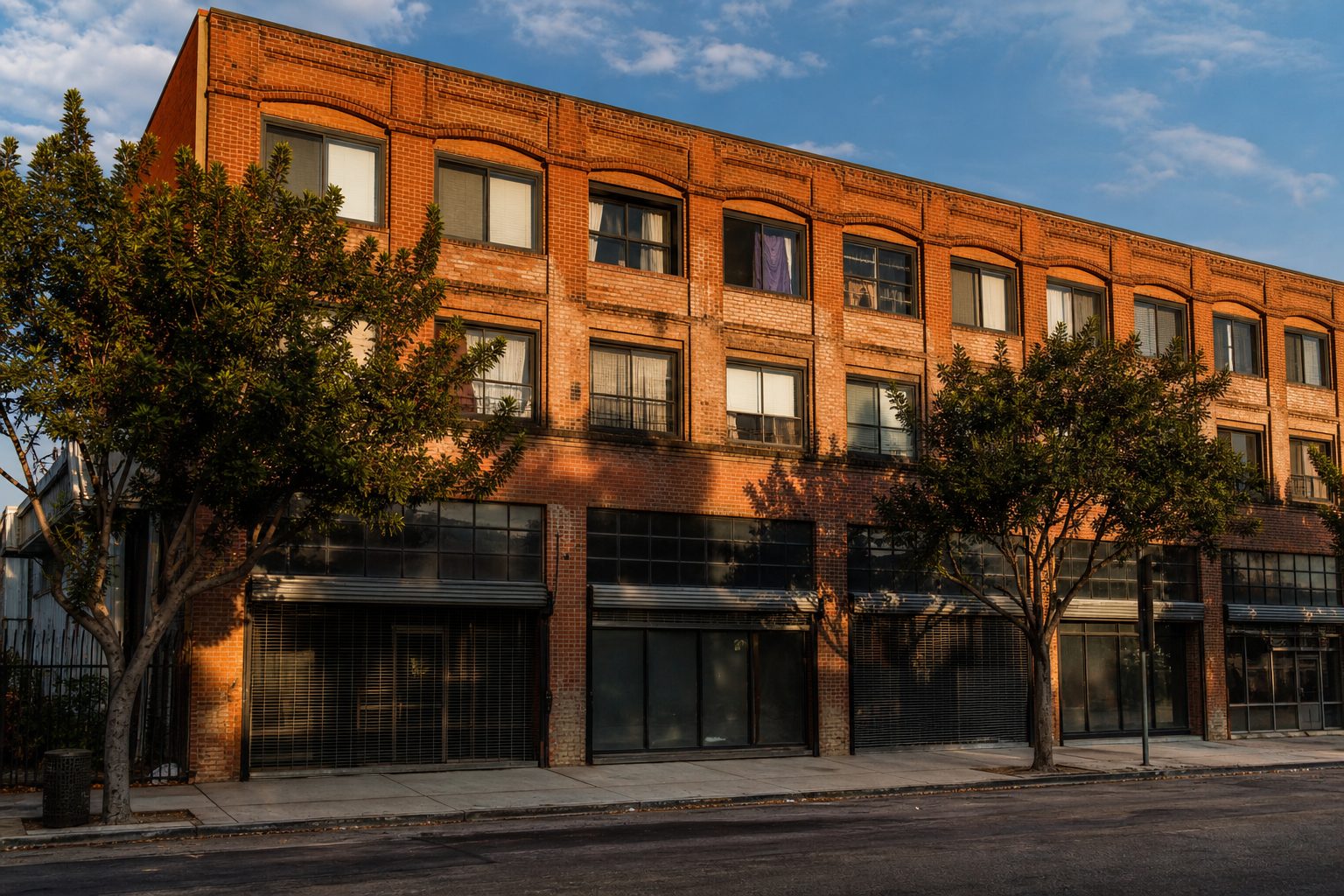
What cap rates and vacancy risks are realistic for buying a mixed-use commercial property in Barrio Logan, San Diego, in 2026, and how do you know if the asking price is justified?
Realistic cap rates for mixed-use properties in Barrio Logan currently range from 5.0% to 7.0%, residential vacancy risk sits between 3% and 5%, and you verify the asking price by reconstructing NOI from actual leases and expenses, not the seller’s pro forma.
Why This Matters Right Now in San Diego
San Diego’s commercial real estate market in 2026 is in a repricing cycle, not a distressed one. That distinction is critical if you’re evaluating a mixed-use acquisition in Barrio Logan. The investors who understand the difference between distress and repricing, and who use this correction to acquire well-located assets at disciplined prices, will define the winners of the next cycle.
Here’s what makes this moment unique. San Diego commercial mortgage rates start as low as 5.33% as of May 2026. Meanwhile, San Diego cap rates are consistently 50 to 150 basis points below national averages for comparable property types. That compression means your margin for error on a mixed-use deal is thin. If you overpay or miscalculate vacancy exposure, negative leverage can quietly eat your returns for years.
As someone who has spent 16 years working with buyers and investors across San Diego County, including closing over 275 transactions, I can tell you: a cloudy mind can’t make decisions. So let me break down the specific numbers, risks, and verification steps you need to evaluate a Barrio Logan mixed-use deal with clarity.
Realistic Cap Rates for Mixed-Use Properties in Barrio Logan, San Diego
So what should you actually expect to see on a mixed-use deal in Barrio Logan? Let me walk through the numbers.
The estimated cap rate range for Barrio Logan mixed-use properties falls between 5.0% and 7.0% in 2026. That range comes from triangulating the individual components of a typical mixed-use building.
- Residential component: Inland and value-add multifamily properties in South Bay-adjacent submarkets like Barrio Logan are trading at 4.5% to 5.5%+, according to recent market data
- Retail/commercial component: San Diego strip mall and multi-tenant retail cap rates have held steady in the 5.0% to 6.5% range throughout 2025 and into 2026
- Blended mixed-use rate: When you combine these two income streams, the blended cap rate typically lands between 5.0% and 7.0%, depending on several factors
What pushes you toward the lower or higher end of that range? It comes down to these variables:
- Tenant quality and remaining lease term on the commercial spaces
- Building condition and age (many Barrio Logan structures date back decades)
- Exact location within the community plan area, particularly proximity to the 12th and Imperial Transit Center
- Income split between residential and commercial
- Whether current rents are at, below, or above market
One investor I worked with was evaluating a mixed-use property in a transitional San Diego neighborhood and initially fixated on the listed cap rate of 6.2%. When we reconstructed the actual NOI using verified leases and real expense history, the true cap rate was closer to 5.4%. That one adjustment completely changed the negotiation strategy and ultimately saved them from overpaying by a significant margin.
Vacancy Risk Assessment for Barrio Logan Mixed-Use in 2026
Understanding vacancy risk requires looking at each component of a mixed-use building separately, because the residential and commercial spaces face very different demand dynamics.
Residential Vacancy Risk in Barrio Logan: Low
San Diego’s overall multifamily vacancy rate reached 4.8% in Q1 2026, its highest level since 2010, but that number is misleading for Barrio Logan. According to Moody’s data, Class B and C properties (which most Barrio Logan residential units fall into) carry a vacancy rate of just 3.3%, compared to 6.4% at Class A properties.
Why? Workforce and affordable housing properties tend to see very durable demand from renters. HUD data shows San Diego’s area median income reached $119,500 in 2024, a 38.5% increase since 2019, and yet housing supply remains severely constrained. San Diego still needs to build over 108,000 new homes to meet its RHNA targets through 2029, but zoning restrictions and high construction costs continue to limit development.
For your underwriting, plan for 3% to 5% residential vacancy in Barrio Logan. That’s conservative enough to be safe and realistic enough to reflect actual demand.
Commercial Vacancy Risk in Barrio Logan: Moderate
The commercial component carries more nuance. San Diego’s overall retail vacancy is manageable, but the specific risk in Barrio Logan depends heavily on the tenant mix and lease structure. Ground-floor retail in transitional neighborhoods can face turnover if tenants are month-to-month or if the commercial spaces are configured for a narrow set of uses.
What I tell my clients is to stress-test the deal at 10% to 15% commercial vacancy for underwriting purposes, even if the property is currently fully leased. That buffer accounts for tenant turnover, potential buildout periods between tenants, and the reality that small-format retail in evolving neighborhoods can be cyclical.
How to Verify Whether the Asking Price Is Justified in Barrio Logan
This is where most investors either protect themselves or get burned. Here’s the verification framework I recommend.
Step 1: Reconstruct the Net Operating Income
Seller-provided NOI is a starting point, not the truth. You need to independently verify income against actual signed leases and bank deposit statements, then reconstruct expenses from real utility bills, property tax records, insurance quotes, and maintenance history. Pro forma numbers that assume full occupancy at above-market rents should raise immediate red flags.
Step 2: Apply Market-Appropriate Cap Rates
Once you have a verified NOI, divide it by the asking price to calculate the actual cap rate. Then compare that number to the 5.0% to 7.0% range that’s realistic for Barrio Logan mixed-use in 2026. If the implied cap rate falls below 5.0%, you’re paying a premium that needs serious justification, such as below-market rents with significant upside, or long-term creditworthy commercial tenants.
Step 3: Check for Negative Leverage
With commercial mortgage rates starting at 5.33%, any property trading at a cap rate below that threshold creates negative leverage, meaning your cost of debt exceeds your unlevered yield. This doesn’t automatically kill a deal, but it means you’re betting entirely on appreciation and rent growth to generate returns.
Step 4: Account for Barrio Logan’s Redevelopment Trajectory
The Barrio Logan Community Plan calls for a “community village” near downtown with new mixed-use zoning, pedestrian-friendly commercial areas, and medium-density residential. The Logan Yards project alone proposes 900 residential units, over 10,000 square feet of retail, and 32,000 square feet of green space on nearly four acres near the transit center. This development pipeline could boost long-term values but also introduces construction disruption and competition in the near term.
One couple I worked with was analyzing a small mixed-use building in a San Diego neighborhood undergoing similar community plan changes. They initially saw the redevelopment as purely positive. After we mapped the timeline and proximity of nearby projects, they realized the construction phase would likely impact foot traffic for their ground-floor retail tenant. We adjusted the offer to account for that temporary disruption, and they ultimately acquired the property at a price that reflected current conditions rather than speculative future value.
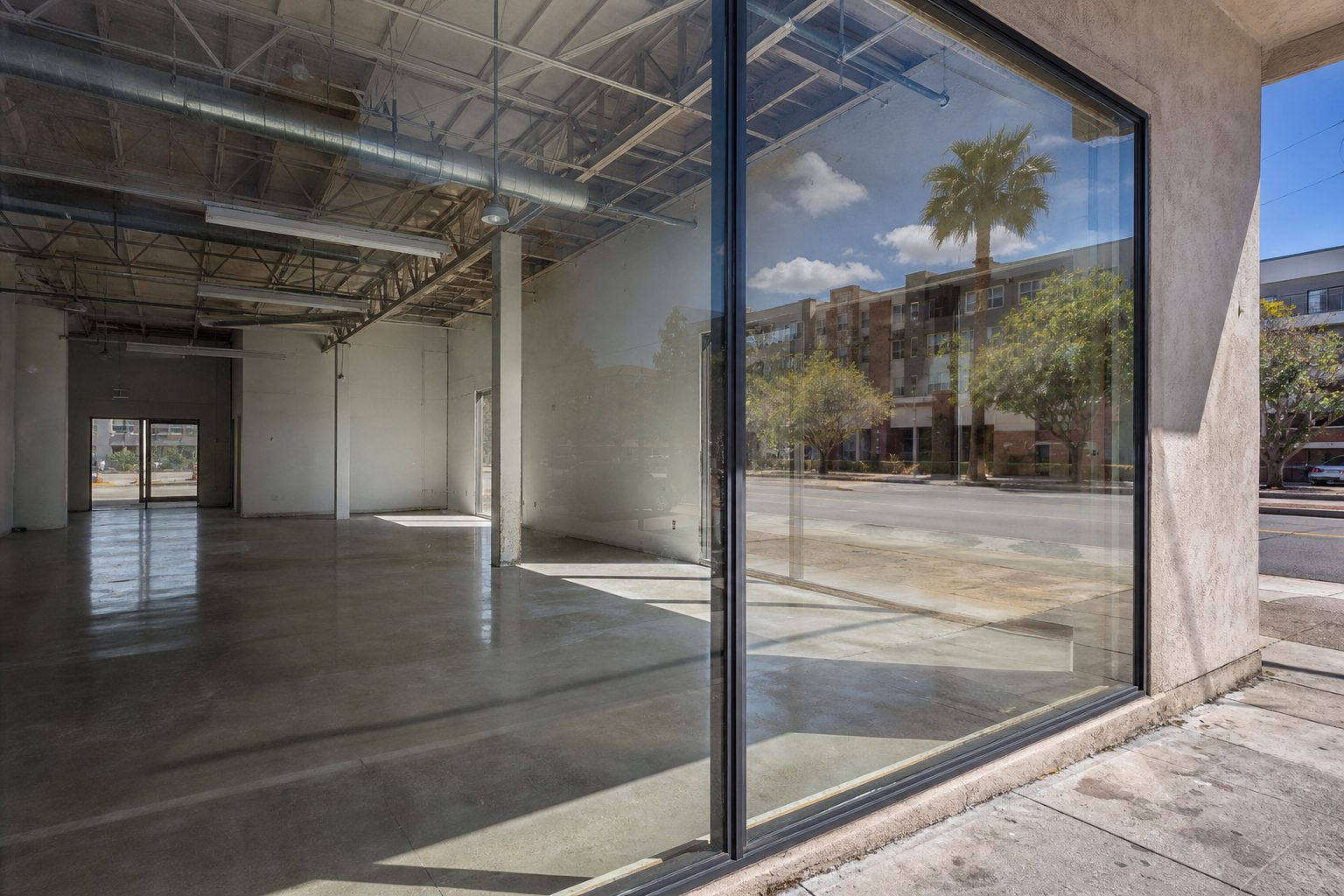
What California’s 2026 Landlord Laws Mean for Barrio Logan Investors
Being a landlord in California is getting more complicated. In 2026, several major laws have gone into effect that change how you manage your units. Before you close on a Barrio Logan mixed-use property, you need to factor compliance costs into your operating expenses.
This includes updated requirements around tenant protections, security deposits, and disclosure obligations. These aren’t deal-breakers, but they are real costs that affect your NOI and, by extension, what you should be willing to pay.
Having closed over 275 transactions and carrying 180 five-star client reviews across San Diego County, I’ve seen investors underestimate regulatory costs on California deals. It’s one of those line items that doesn’t show up on a seller’s pro forma but absolutely hits your bottom line.
Frequently Asked Questions About Barrio Logan San Diego Mixed-Use Investing
What is a realistic cap rate for a mixed-use property in Barrio Logan in 2026?
Based on current San Diego market data, a realistic blended cap rate for mixed-use properties in Barrio Logan falls between 5.0% and 7.0%. The exact rate depends on tenant quality, lease terms, building condition, and the income split between residential and commercial components. Properties closer to the transit center or within the community village zone may command tighter cap rates.
What vacancy rate should I use when underwriting a Barrio Logan mixed-use deal?
For the residential component, plan for 3% to 5% vacancy, which reflects the tight demand for Class B and C housing in San Diego. For the commercial component, stress-test at 10% to 15% vacancy to account for tenant turnover and buildout periods between leases, even if the property is currently fully occupied.
How do I know if the asking price on a Barrio Logan property is too high?
Reconstruct the NOI independently using verified leases, bank statements, and actual expenses. Then divide verified NOI by the asking price. If the resulting cap rate falls below 5.0% for Barrio Logan, you’re likely overpaying unless there’s a clear, documentable upside in below-market rents or value-add opportunity.
What is negative leverage, and should I worry about it in San Diego?
Negative leverage occurs when your cost of debt exceeds your property’s unlevered yield (cap rate). With San Diego commercial mortgage rates starting at 5.33% and cap rates on many properties compressing near that same range, negative leverage is a real risk in 2026. It means you’re relying entirely on appreciation and rent growth for returns.
How does the Barrio Logan Community Plan affect mixed-use property values?
The updated community plan designates areas for mixed-use zoning with medium-density residential and pedestrian-friendly commercial uses. This can increase long-term property values, but the development pipeline (including the 900-unit Logan Yards project) may create near-term construction disruption and increased competition for commercial tenants.
Are Barrio Logan cap rates higher or lower than other San Diego neighborhoods?
Generally higher. Coastal submarkets like La Jolla and Pacific Beach see multifamily cap rates compress below 4.0%, while transitional urban infill neighborhoods like Barrio Logan trade at higher cap rates reflecting additional risk and value-add potential. That wider spread can work in your favor if you buy right.
What are San Diego commercial mortgage rates in 2026?
San Diego commercial mortgage rates start as low as 5.33% as of May 2026, with up to 80% LTV on multifamily and 75% on commercial properties. SBA loans may offer up to 90% LTV. Apartment and multifamily loan rates range from 5.42% for HUD loans to 5.44% for FHA programs.
Should I factor in redevelopment risk when buying in Barrio Logan?
Yes. Approximately half of Barrio Logan’s roughly 1,000 acres falls under Port of San Diego or U.S. Navy jurisdiction rather than the city. The neighborhood’s mix of industrial, commercial, and residential uses has historically created land use conflicts. Understanding your property’s exact zoning designation and proximity to planned developments is essential.
How does the residential rental demand in Barrio Logan compare to the rest of San Diego?
Strong. San Diego’s Class B and C multifamily vacancy sits at just 3.3%, well below the 6.8% national average. With San Diego needing over 108,000 new housing units to meet RHNA targets and development constrained by zoning and construction costs, workforce housing demand in neighborhoods like Barrio Logan remains durable.
What expenses do sellers commonly leave off the pro forma for Barrio Logan properties?
Common omissions include deferred maintenance reserves, updated property tax assessments based on the new purchase price, California compliance costs under 2026 landlord regulations, commercial tenant improvement allowances, and realistic property management fees. Always rebuild the expense side from actual records rather than relying on the seller’s presentation.
The Bottom Line on Barrio Logan Mixed-Use Investing in 2026
If you’re evaluating a mixed-use acquisition in Barrio Logan, the data gives you a clear framework. Target a blended cap rate between 5.0% and 7.0%. Underwrite residential vacancy at 3% to 5% and commercial vacancy at 10% to 15%. Verify every line of NOI independently. And pressure-test the deal for negative leverage given today’s financing environment.
Barrio Logan is a neighborhood in active transition, with real upside potential and real risks that require careful analysis. The investors who succeed here are the ones who buy on verified fundamentals, not on pro forma projections.
If you’re considering a mixed-use investment in Barrio Logan or anywhere across San Diego County, I’m happy to walk through the numbers with you. I’m Scott Cheng, Broker Associate with REAL Brokerage. With 16 years of experience and a top 1% ranking among San Diego real estate agents, I bring the same clarity and negotiation approach to commercial acquisitions that my 180 five-star reviewers have experienced on the residential side. You can reach me at 858-405-0002.
Have Questions About San Diego Real Estate?
Scott Cheng provides free, no-obligation consultations for buyers, sellers, and investors.
Schedule a Consultation