

Realistic Cap Rates for a North Park San Diego Duplex or Triplex in 2026
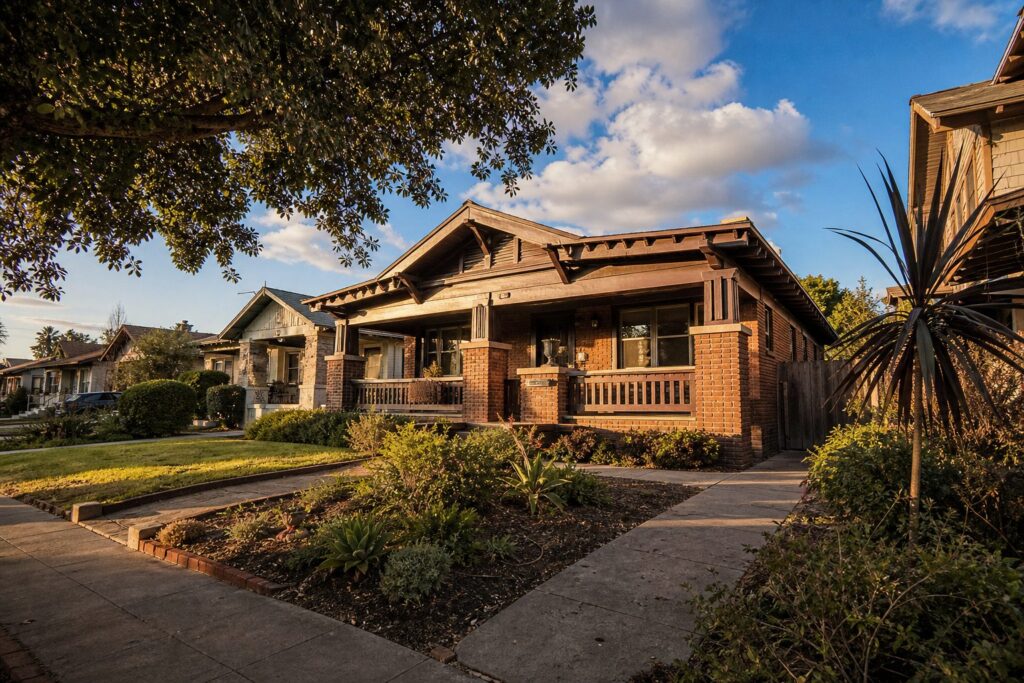
What cap rates should you realistically expect on a duplex or triplex in North Park, San Diego in 2026, and how can you tell whether the asking price is actually justified?
[SNIPPET ANSWER: Realistic cap rates for a North Park duplex or triplex in 2026 range from 3.5% to 4.5%. Verify the asking price by rebuilding the NOI from actual rents and expenses, not the seller’s proforma.]
Why North Park San Diego Cap Rates Deserve a Closer Look Right Now
If you’re evaluating small multifamily deals in San Diego, North Park is probably on your short list. The neighborhood sits in that sweet spot between coastal premium and inland value, with walkability, strong tenant demand, and a culture along 30th Street and University Avenue that keeps vacancy rates low.
But here’s the tension I see every week: investors hear “San Diego multifamily” and assume the cap rate story is simple. It’s not. With the San Diego metro median sold cap rate sitting at just 4.3% (well below the 6.1% national multifamily average), many buyers walk into North Park expecting yields that this market simply does not offer. A cloudy mind can’t make decisions, so let me bring you clean numbers and a clear framework for evaluating whether a deal actually pencils.
Having closed over 275 transactions across San Diego County over the past 16 years, including a significant number of multi-family and investment properties, I can tell you that the investors who succeed here are the ones who know exactly what they’re underwriting to before they ever write an offer.
What Cap Rates Actually Look Like in North Park San Diego in 2026
Let’s start with the numbers. According to Northmarq’s Q2 2026 report, San Diego multifamily cap rates have held steady near 4.7% on average for the metro area. But that’s a blended number across all asset classes and submarkets.
Here’s how it breaks down by quality:
- Class A properties: Cap rates around 4.74%
- Class B properties: Cap rates near 4.92%
- Class C properties: Cap rates averaging 5.38%
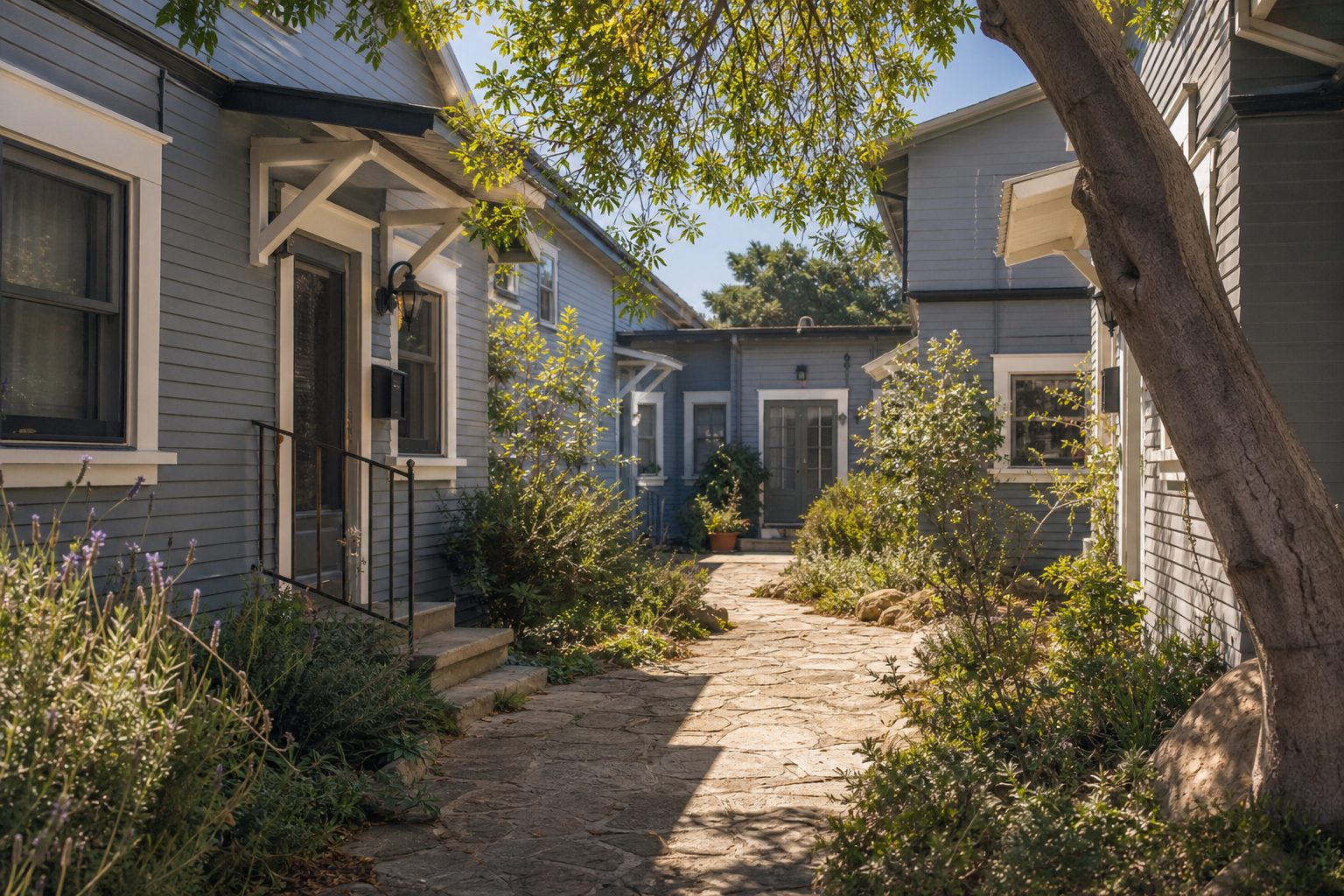
North Park falls into a unique category. It’s urban-infill with high demand, but the housing stock is older, often vintage Craftsman duplexes, bungalow-court layouts, and mid-century triplexes along streets like Oregon, Howard, and the blocks between University Avenue and El Cajon Boulevard.
So where does that leave you? Realistic cap rates for a North Park duplex or triplex in 2026 fall between approximately 3.5% and 4.5%, depending on the condition, unit mix, rent levels, and whether there’s ADU or infill potential on the lot.
If someone is showing you a deal at a 5%+ cap in North Park, that’s worth investigating carefully. Either the rents are significantly below market (which is an opportunity), or the expenses are being understated (which is a trap).
How to Tell If a North Park Asking Price Is Actually Justified
This is where I see investors get tripped up the most. What I tell my clients is that you can’t evaluate an asking price by looking at the cap rate on the listing sheet alone. You need to rebuild it from scratch.
Rebuild the NOI Yourself
Most listing proformas understate expenses. In the San Diego market, a 1% error in your expense ratio can swing your valuation by $50,000 or more on a mid-sized property. That’s not a rounding error; that’s the difference between a deal that works and one that slowly bleeds cash.
Here’s what to verify independently:
- Actual rents versus market rents. Pull comparable rental data from North Park specifically, not “San Diego” broadly. A two-bedroom unit near 30th Street and Upas commands different rent than one near El Cajon Boulevard.
- Vacancy and collection loss. Budget at least 3% to 5%, even in a tight rental market.
- Real maintenance costs. Older North Park buildings with original plumbing, older electrical panels, or deferred exterior maintenance will cost more than a freshly renovated property.
- Insurance, property tax reassessment, and AB 1482 compliance costs. These are often underbudgeted.
Use Property-Specific Comps, Not Averages
One investor I worked with last year was looking at a triplex near Ray Street in North Park. The listing agent had priced it based on recent duplex sales three blocks away, but those comps were fully renovated units with modern kitchens and ADU potential already realized. The subject property had original 1950s interiors, shared laundry, and deferred landscaping. Two properties in the same part of North Park can trade very differently based on vintage, condition, unit mix, and lot layout. After we rebuilt the numbers using accurate comps, the realistic value was about $115,000 less than the asking price. The seller eventually adjusted.
Confirm What Today’s Buyers Are Actually Underwriting To
Most active multifamily buyers in San Diego are currently underwriting to a 5.5% to 6.0% yield requirement. That means they’re calculating what return they need after debt service, not just looking at the cap rate in isolation. If the property doesn’t meet that threshold at the asking price, you’re either overpaying or betting entirely on appreciation, which is a different strategy with different risk.
The ADU Factor: Why North Park San Diego Properties May Have Hidden Upside
Here’s something that changes the math on certain North Park deals. Under the City of San Diego’s current ADU regulations, existing multifamily structures can add up to eight detached ADUs, as long as the number of new ADUs doesn’t exceed the existing unit count. Properties in Transit Priority Areas (which includes much of North Park) also benefit from eliminated parking minimums for new residential development.
What does that mean practically? A duplex on a 6,000-square-foot lot near University Avenue might have the potential to add one or two ADUs, which completely changes the per-unit cost basis and your long-term yield.
I recently helped a client evaluate a North Park duplex where the lot was generous enough to support a detached 600-square-foot ADU in the rear yard. The existing cap rate was under 4%, but when we modeled the property with a completed ADU renting at market rates, the stabilized return jumped meaningfully. That’s the kind of value-add opportunity that justifies paying a tighter entry cap, as long as your construction budget is realistic and your timeline accounts for permitting.
Why San Diego’s Low Cap Rate Environment Still Attracts Serious Investors
You might look at a 3.5% to 4.5% cap rate and wonder why anyone would bother. It’s a fair question. The investment thesis in San Diego multifamily is not current yield. It is rent growth, supply constraints, and long-term appreciation.
San Diego’s job market, anchored by tech, biotech, defense, and healthcare, continues to draw high-earning renters. The homeownership rate sits at just 54.8%, meaning nearly half the population rents. North Park specifically benefits from extremely limited housing turnover (below the city average) and a walkable, amenity-rich environment along 30th Street that commands premium rents.
Institutional investors have poured over $1 billion into San Diego’s multifamily market over the past five years for exactly these reasons. They’re accepting tighter yields because historical data supports the bet that rents will grow and exit cap rates will compress over the hold period.
That said, this is not a strategy that works for every investor. If you need strong cash-on-cash returns from day one, North Park at today’s pricing may not be the right fit. Clarity on your own goals matters more than any market stat.
Red Flags That a North Park Duplex or Triplex Is Overpriced
With 180 five-star reviews and a track record as a top 1% San Diego real estate agent, I’ve seen plenty of deals that looked good on paper but fell apart under scrutiny. Here are the warning signs:
- The proforma uses “projected” rents that are 15%+ above current lease rates. Rents in North Park are strong, but sudden rent jumps create turnover risk and AB 1482 complications.
- Maintenance reserves are listed at 2% or less. For older North Park buildings with original systems, 5% to 8% is more realistic.
- The seller hasn’t adjusted price despite months on market. In the past six months, final sold cap rates have generally been higher than initial asking cap rates, meaning sellers are having to adjust.
- No mention of tenant quality or lease terms. A single bad tenant cycle (eviction, damage, two months of vacancy, and a leasing fee) can wipe out 18 months of cash flow on a marginal deal.
Frequently Asked Questions
What is a realistic cap rate for a North Park San Diego duplex in 2026?
Based on current market data, realistic cap rates for a North Park duplex range from approximately 3.5% to 4.5%. The specific rate depends on property condition, unit mix, whether rents are at market, and any ADU or value-add potential. San Diego’s metro-wide median sold cap rate is 4.3%, but prime urban neighborhoods like North Park often compress below that.
How do I calculate the cap rate on a North Park triplex?
Divide the property’s net operating income (NOI) by the purchase price. The critical step is verifying the NOI independently. Rebuild the income using actual lease rates and budget realistic expenses including vacancy, maintenance, insurance, and property taxes. Do not rely on the seller’s proforma without verification.
Why are San Diego multifamily cap rates so much lower than the national average?
San Diego’s 4.3% median multifamily cap rate compares to a 6.1% national average. The gap reflects San Diego’s strong job market in tech, biotech, and defense, limited housing supply, high renter population (54.8% homeownership rate), and significant institutional investment. Buyers here are pricing in long-term appreciation and rent growth.
Can I add an ADU to a duplex in North Park to improve my returns?
Yes. Under current City of San Diego regulations, multifamily properties can add detached ADUs up to the number of existing units. North Park falls within Transit Priority Areas, which removes parking minimums for new residential development. This can significantly improve your per-unit cost basis and stabilized returns.
What expenses do investors typically underestimate on North Park multifamily?
The most commonly underbudgeted items are maintenance on older building systems, vacancy and collection loss, property tax reassessment after purchase, insurance increases, and tenant turnover costs. In the San Diego market, a 1% error in your expense ratio can swing your property valuation by $50,000 or more.
How do I know if I’m overpaying for a North Park triplex?
Rebuild the NOI independently, compare against property-specific (not neighborhood-average) comps, and confirm the deal meets a 5.5% to 6.0% yield requirement after debt service. If the property doesn’t cash flow at current rents and realistic expenses, you’re paying an appreciation premium, which requires a different risk tolerance.
What financing options work for 2 to 4 unit properties in San Diego?
Common options include conventional investment property loans, DSCR loans, FHA loans (if you owner-occupy one unit), and FHA 203(k) for renovation. Multifamily loan rates start from around 5.42% for HUD loans and 5.44% for FHA as of early 2026. Owner-occupying one unit through a house-hack strategy can significantly improve your financing terms.
Is North Park a good long-term hold for multifamily investors?
North Park benefits from strong tenant demand, walkability, proximity to downtown San Diego (10 to 15 minutes by car), cultural amenities along 30th Street, and limited housing turnover below the city average. These factors support long-term rent growth and property appreciation, making it a compelling hold for patient investors.
What is AB 1482 and how does it affect North Park rental properties?
AB 1482 is California’s Tenant Protection Act, which caps annual rent increases and requires just cause for eviction on properties 15+ years old. Most vintage North Park duplexes and triplexes fall under this regulation. Compliance requires careful documentation and planning, and it affects your underwriting assumptions around rent growth.
Should I buy a North Park duplex at a 3.5% cap rate?
A 3.5% cap rate can make sense if the property has clear value-add upside (ADU potential, below-market rents, renovation opportunity) and you’re underwriting for long-term appreciation rather than immediate cash flow. If you need strong day-one returns, you may want to look at inland San Diego submarkets where cap rates reach 4.5% to 5.5%.
The Bottom Line on North Park San Diego Multifamily Investing
Buying a duplex or triplex in North Park in 2026 means entering a market where cap rates run between 3.5% and 4.5%, where the real opportunity often lies in ADU potential and rent optimization, and where the biggest risk is trusting a proforma you haven’t verified yourself. The investors who do well here are the ones who come in with clear numbers, realistic expense projections, and a long-term hold strategy.
If you’re evaluating a specific North Park deal and want someone to help you pressure-test the numbers, I’d welcome that conversation. I’m Scott Cheng, Associate Broker at REAL Brokerage, and I work with multi-family investors across San Diego County every week. You can reach me at 858-405-0002 or through my office at 16516 Bernardo Center Dr. Ste. 300. Let’s make sure your next investment decision is built on clean information, not assumptions.