

San Diego’s ADU Developer Crisis and Squatter Takeover in Pacific Beach and Encanto
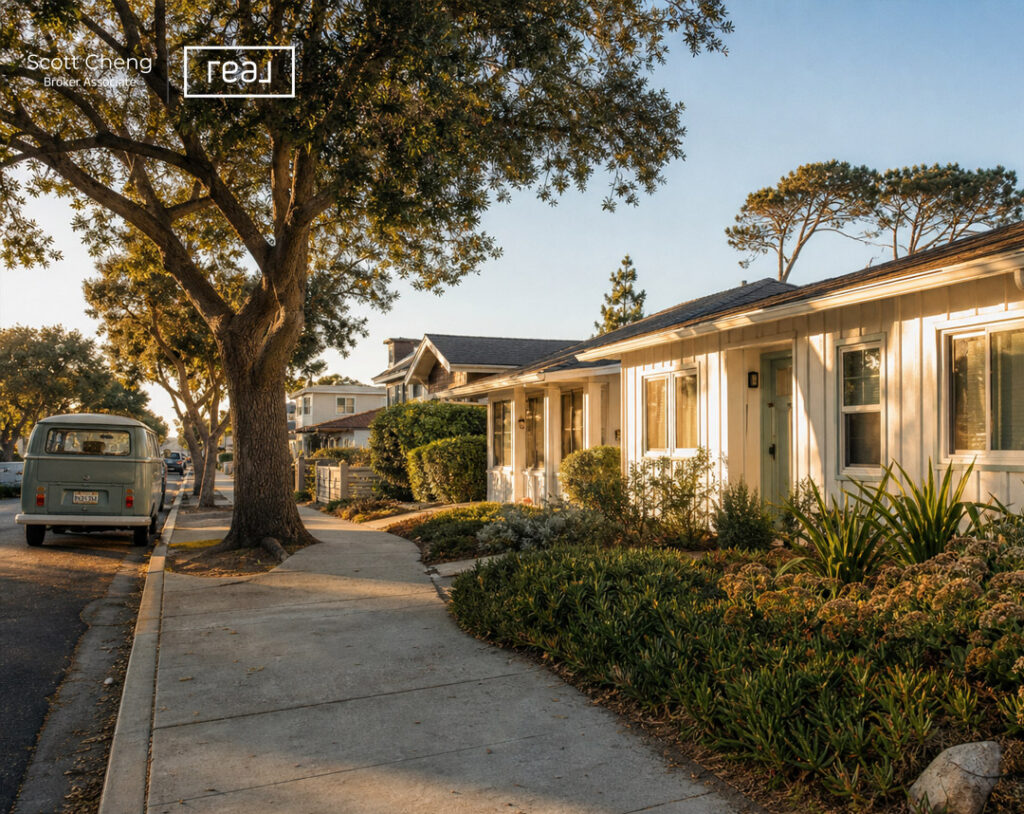
What is the ADU developer and squatter crisis unfolding in San Diego’s Pacific Beach and Encanto neighborhoods, and how does it affect you as a buyer or seller?
[SNIPPET ANSWER: A major ADU developer purchased dozens of San Diego properties, left them vacant, and squatters have taken over multiple sites in Pacific Beach and Encanto, creating safety concerns and impacting nearby home values for buyers and sellers.]
Why the San Diego ADU Squatter Crisis Matters Right Now
A massive story is unfolding across San Diego, and if you’re buying or selling in Pacific Beach or Encanto, you need to understand it. A developer leveraged San Diego’s permissive ADU regulations to acquire dozens of single-family lots with plans to convert them into micro-apartment complexes. The problem? Many of those properties now sit vacant. Squatters have moved in. Neighbors are dealing with code violations, safety hazards, and a noticeable drop in quality of life.
The situation escalated to the point where the San Diego Police Department stepped in to clear out properties on Hilger Street after immense community pressure and ongoing code compliance violations. Several investors have also sued the developer. With 16 years of experience as an Associate Broker serving San Diego and over 275 closed transactions, I can tell you this is not just a headline. It is reshaping how buyers evaluate neighborhoods and how sellers position their homes in these communities.
How San Diego’s ADU Regulations Created the Perfect Storm
San Diego has some of the most permissive ADU regulations in California. That is by design. The city and state have pushed aggressively to address the housing shortage, and the numbers back up why: the median single-family home in San Diego hit $1,074,000 in April 2026, with affordability hovering around just 18% statewide. More housing is genuinely needed.
What the ADU Rules Actually Allow
Here is what the current regulatory landscape looks like:
- Maximum ADU size: 1,200 square feet
- Setbacks: Just 4 feet from side and rear property lines
- Parking requirements: None
- Permit costs: $3,500 to $12,000
- Typical build cost: $120,000 to $300,000
- Monthly rent potential: $2,000 to $2,800 for a two-bedroom ADU
The city’s ADU Bonus Program previously allowed homeowners to build multiple detached ADUs on a single parcel. As of June 2025, the City Council scaled that program back, especially in low-density neighborhoods, and removed it entirely in eight single-family zones. SB 543, effective January 2026, also created enforceable deadlines where ADU applications are deemed approved if the city fails to act within 60 days.
What I tell my clients is simple: these regulations were designed with good intentions. The problem is what happens when a speculative developer buys up properties at scale, applies for dense conversions on lots historically zoned for single-family use, and then abandons the project midstream.
What Happened in Pacific Beach and Encanto
Here is the part that is hitting homeowners where they live, literally.
The Pacific Beach Impact
Pacific Beach is one of the two neighborhoods at the epicenter of this crisis. The developer purchased multiple single-family lots in PB and applied for dense micro-apartment complexes. Several of those acquired properties have since been left completely vacant. Local residents near the mid-blocks between Garnet Avenue and Grand Avenue have reported squatters occupying these abandoned homes, turning them into party houses or makeshift shelters.
One couple I recently worked with was actively searching in North PB, near Turquoise Street and Cass Street, drawn to the quieter residential feel and access to the La Jolla school cluster, including Bird Rock Elementary (9/10 GreatSchools) and La Jolla High School (8/10). When we identified an adjacent parcel with pending ADU development applications and no visible construction activity, we ran a full permit search before they made an offer. That single step saved them from buying next to a potential vacancy and squatter risk.
In a neighborhood where entry-level condos along Garnet Avenue run $700K to $950K and single-family homes west of Mission Boulevard push $1.4M to $2.2M or more, you cannot afford to skip that due diligence.
The Encanto Impact
Encanto is the other neighborhood hit hard. The same developer acquired properties here, and the pattern repeated: vacant lots, no active construction, and squatters moving in. The San Diego Police Department’s clearance operation on Hilger Street came after months of community pressure and code compliance violations that had gone unaddressed.
What makes Encanto’s situation particularly frustrating is that this is a community with tremendous potential. Homeownership-minded families are actively looking in this area precisely because price points are more accessible compared to coastal neighborhoods. When vacant, developer-owned properties attract squatters, it undermines the very stability these buyers are seeking.
How This ADU Crisis Affects San Diego Buyers and Sellers
So what does all of this mean for your transaction? Let me break it down.
If You Are Buying in San Diego
- Run a permit search on adjacent parcels before closing. This is non-negotiable in Pacific Beach, Encanto, and anywhere ADU development has been active.
- Check property ownership records for bulk purchases by a single entity. A developer who owns four or five lots on the same block is a red flag if none show active construction.
- Talk to the neighbors. In my experience working with buyers across San Diego, a 15-minute conversation with two or three neighbors will tell you more about quality-of-life issues than any disclosure form.
- Factor in the legal reality. San Diego Superior Court data shows more than 9,000 unlawful detainer cases were filed in 2025 alone, all handled by a single judge. Squatter removal is slow and expensive.
If You Are Selling in San Diego
Your home’s proximity to vacant, developer-owned properties will come up during buyer due diligence. Here is how to get ahead of it:
- Disclose proactively. Transparency builds trust. If there is a known issue on your block, address it in your listing materials rather than letting buyers discover it on a drive-by.
- Price strategically. San Diego homes are sitting on market for about 21 days as of April 2026, but that number assumes proper pricing. Homes near distressed vacant properties need sharper pricing and stronger presentation.
- Highlight your home’s strengths. A seller in Pacific Beach I worked with earlier this year was worried that a nearby vacant property would tank interest. We focused the marketing on the home’s walkability to Kono’s and World Famous, the free Beach Bug shuttle, and the 15-minute commute to downtown. The home went under contract in 11 days.
What San Diego Is Doing About the Squatter and Vacancy Problem
The city is responding, though slowly. Here is where things stand:
- ADU Bonus Program reforms: The June 2025 City Council vote scaled back the number of ADUs allowed per lot, with the program removed entirely in eight single-family zones (RS-1-1 through RS-1-8).
- Fire safety setbacks: New rules require minimum four-foot side and rear setbacks in High or Very High Fire Hazard Severity Zones.
- AB 1033 (separate sale of ADUs): As of August 2025, San Diego allows ADUs to be sold as condominiums, potentially reducing the incentive for developers to hold and abandon properties.
- SB 543 enforcement deadlines: Applications are now deemed approved if the city fails to act within 60 days, which cuts both ways. It speeds up legitimate projects but also means speculative applications can slip through faster.
The County Board of Supervisors also adopted AB 1033 at the county level in March 2026, with implementation effective April 2026. Additional parameters promoting first-time home buyer access, including owner-occupancy requirements, are being considered.
A cloudy mind can’t make decisions. My role here is to give you the clean information so you can evaluate these developments clearly, not react to them emotionally.
How to Protect Yourself When Buying or Selling Near ADU Development in San Diego
With 180 five-star reviews from past clients and a track record rated 5 out of 5, I have guided hundreds of buyers and sellers through complicated situations. Here is the practical checklist I walk clients through:
- Step 1: Search the City of San Diego’s Development Services portal for active and pending ADU permits on your block
- Step 2: Cross-reference property ownership to identify bulk purchases by a single developer or LLC
- Step 3: Drive the block at different times of day, including evenings and weekends
- Step 4: Ask your agent (or me) to pull code compliance history on any adjacent vacant properties
- Step 5: If you are buying, I provide a complimentary attorney review of contracts and disclosures, covered by me, even if escrow cancels. That is an extra layer of protection that matters in situations like this.
Frequently Asked Questions
What is the ADU developer and squatter crisis in San Diego?
A developer purchased dozens of single-family properties in neighborhoods including Pacific Beach and Encanto, planning to convert them into dense micro-apartment ADU complexes. Many of those properties were left vacant, and squatters have occupied several of them. The San Diego Police Department cleared properties on Hilger Street after sustained community pressure and code violations.
Can squatters legally occupy vacant homes in San Diego?
California law provides certain protections that make squatter removal a lengthy process. More than 9,000 unlawful detainer cases were filed in San Diego Superior Court in 2025. Removal typically requires formal eviction proceedings, which can take months.
How do San Diego’s ADU regulations compare to other California cities?
San Diego has some of the most permissive ADU regulations in California, including no parking requirements, 4-foot setbacks, and maximum unit sizes of 1,200 square feet. The city’s Bonus Program previously allowed multiple ADUs per parcel, though it was scaled back in June 2025.
How does a nearby vacant property affect my San Diego home’s value?
Vacant properties, especially those occupied by squatters, can negatively impact neighborhood desirability and perceived safety. Buyers may request price concessions or walk away entirely. Proactive disclosure and strategic pricing help sellers navigate this.
What neighborhoods in San Diego are most affected by the ADU squatter crisis?
Pacific Beach and Encanto are the two neighborhoods most directly impacted. Properties along the mid-blocks of PB between Garnet Avenue and Grand Avenue and parcels near Hilger Street in Encanto have been specifically identified.
Should I avoid buying in Pacific Beach because of the ADU crisis?
Pacific Beach remains one of San Diego’s most desirable neighborhoods. Entry-level condos start around $700K to $950K, and the community offers walkability, beach access, and strong rental demand. The key is doing thorough due diligence on adjacent parcels before making an offer.
What did the San Diego City Council do to reform ADU rules?
The Council adopted 25 reforms in 2025, including scaling back the ADU Bonus Program, adding fire safety setbacks, and aligning local ordinances with state law. The Bonus Program was removed entirely in eight single-family zones.
Can ADUs now be sold separately as condos in San Diego?
Yes. As of August 2025, the city opted into AB 1033, allowing ADUs to be sold as condominiums. The County followed in March 2026. However, the process is not simple or automatic and involves a condominium conversion procedure.
What should San Diego buyers do to protect themselves from vacant property risks?
Run a permit search on adjacent parcels, check property ownership records for bulk purchases by a single developer, talk to neighbors, and work with an experienced real estate broker who understands the ADU landscape and can identify red flags early.
How long does it take to remove a squatter from a property in San Diego?
One high-profile Chula Vista case involved a squatter who occupied a newly purchased home for nearly 10 months. The court process has been getting longer as caseloads increase, with more than 9,000 unlawful detainer cases handled by a single judge in 2025.
The Bottom Line
The ADU developer and squatter crisis in San Diego is real, and it is affecting real neighborhoods, real property values, and real families in Pacific Beach, Encanto, and beyond. If you are buying, due diligence on adjacent properties is no longer optional. If you are selling, strategic positioning and transparency will set you apart. San Diego’s median home price sits at $925,000, and at these price points, every detail matters.
As a top 1% San Diego Associate Broker with Real Brokerage, I am here to help you navigate exactly these kinds of situations with clarity and calm. If you have questions about a specific property, neighborhood, or how the ADU landscape affects your plans, reach out to me, Scott Cheng, at 858-405-0002 or visit my office at 16516 Bernardo Center Dr. Ste. 300. Let’s get you the clean information you need to move forward with confidence.
*This blog is for informational purposes only and does not constitute legal advice. Consult a licensed attorney for questions regarding squatter removal, ADU permitting, or property law.*