How Santa Ana Winds and Heat Waves Affect San Diego Home Buying Decisions
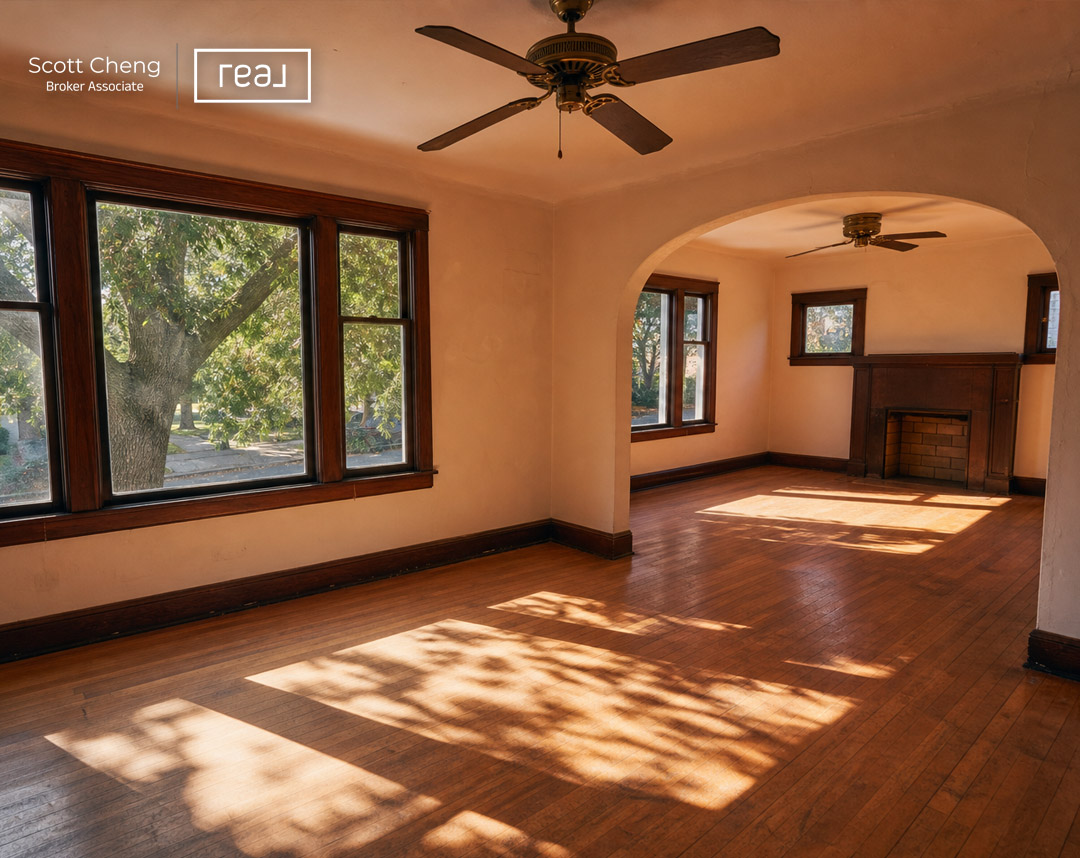
How do Santa Ana wind events and summer heat waves impact your home search and property evaluation in San Diego?
[SNIPPET ANSWER: Santa Ana winds and San Diego heat waves directly affect home inspections, HVAC priorities, fire zone risk, and neighborhood livability, making weather-aware home tours a smart strategy for relocating buyers.]
Why This Week’s Weather Alert Matters for San Diego Homebuyers
Right now, a moderate heat risk is building across the San Diego region, with temperatures expected to peak Wednesday and Thursday in the desert-adjacent areas east of the 15 freeway. On top of that, Santa Ana winds have returned with potential gusts exceeding 50 mph through Sunday.
If you’re relocating to San Diego and touring homes this week, this is not background noise. It is a real-time preview of conditions that shape property values, insurance costs, and daily comfort in specific neighborhoods. I’ve been helping buyers navigate San Diego’s microclimates for 16 years, and what I always tell my clients is this: the weather you experience during a showing tells you something the listing description never will.
A cloudy mind can’t make decisions, so let me bring some clarity to what this heat wave and these Santa Ana conditions actually mean for your home search.
What Santa Ana Winds Reveal About San Diego Neighborhoods
Santa Ana winds blow hot, dry air from the inland deserts toward the coast. When gusts top 50 mph, you feel it everywhere, but the impact is not uniform across San Diego’s neighborhoods.
Canyon-Adjacent Properties and Fire Risk
In neighborhoods like Mission Hills, where homes sit along canyon ridgelines on streets like Fort Stockton Drive, Santa Ana events are more than uncomfortable. They are a fire risk factor. Properties bordering open canyons or brush-heavy terrain may fall within a designated fire hazard severity zone, and that directly affects your insurance premiums and evacuation planning.
One family I worked with was relocating from the Pacific Northwest and fell in love with a canyon-view home in Mission Hills. During our tour, a mild Santa Ana event kicked up, and I pointed out the dry brush less than 30 feet from the back fence. We talked through the fire zone designation, the insurance implications, and what defensible space landscaping would cost. They still bought the home, but they went in with clear expectations and budgeted accordingly. That is the difference between a surprise and a plan.
Coastal vs. Inland Temperature Gaps
During Santa Ana events, you can easily see a 15 to 20 degree temperature difference between coastal neighborhoods and areas east of the 15 freeway. If you are touring a home in North Park on a Santa Ana day and the temperature hits 95 degrees, that is your preview of the five to ten days per year when those conditions show up. Walk through the house. Is there central air? How old is the HVAC system? Is the insulation adequate? These questions matter more than you might think.
In neighborhoods like North Park, where the median home price sits around $1.0M and many of the Craftsman bungalows date to the 1920s and 1930s, original construction often lacks modern cooling systems. You will want to factor in $8,000 to $15,000 for a new HVAC installation if the home does not already have one.
How Heat Waves Shape Your San Diego Home Priorities
San Diego’s reputation for perfect weather is earned. But if you are relocating here, you need to understand that “perfect” has some hot chapters, especially from late June through October when Santa Ana events and heat waves tend to cluster.
HVAC and Energy Efficiency as Deal Factors
What I tell my clients is to treat any Santa Ana or heat wave week as your stress test for the house. Turn off the AC during your walkthrough and feel how the home holds temperature. South-facing windows without dual-pane glass will turn a living room into a sauna. Older condos in the $535K to $650K range in North Park or along University Avenue may lack updated insulation entirely.
Having closed over 275 transactions across San Diego County, I can tell you that HVAC condition and energy efficiency show up in negotiations more often than most buyers expect. A missing or aging system is a legitimate repair request, and during heat events, it is one of the first things a home inspector flags.
Landscaping and Water-Smart Yards
Santa Ana winds dehydrate landscaping fast. When you are touring homes during a wind event, look at the yard. Drought-tolerant plants and succulents (common in North Park’s residential blocks along Ray Street and throughout Mission Hills) hold up well. Traditional lawns with older irrigation systems do not. You will be paying San Diego water rates, and a thirsty yard on a Santa Ana day is a preview of your utility bills.
The San Diego Summer Market and What the “Heat” Means for Pricing
The approaching heat wave is not just weather. It also describes what is happening in the San Diego real estate market heading into summer 2026.
San Diego County saw a 14.8% increase in sales volume in April 2026 compared to the prior year. Around 41% of homes are selling above asking price, with the strongest competition in well-priced single-family homes in central and coastal neighborhoods. Mortgage rates have improved to 6.36% as of mid-May, down from 6.81% a year ago, and that 45 basis point drop has meaningfully restored buying power.
So what does that actually mean for your wallet? If you are eyeing a condo or townhome in the $600K range, your monthly payment today is noticeably lower than it would have been 12 months ago. And with experts projecting rates to approach 5.9% by the end of 2026, buying now and refinancing later is a strategy I discuss with relocating clients regularly.
One couple I recently helped, both biotech professionals moving from Boston, initially wanted to wait for rates to drop further. We ran the numbers together and showed them that the monthly savings from waiting were smaller than the risk of price appreciation in their target neighborhood of Scripps Ranch. They made an offer, negotiated a 2% seller concession to buy down their rate, and moved in six weeks later.
Neighborhood-Specific Guidance for Heat-Aware Homebuyers in San Diego
Not all San Diego neighborhoods experience heat events equally. Here is what I see across the areas where I work most actively.
North Park
Walk Score in the upper 80s to 91 at key intersections like 30th and University. Great walkability means less car dependency, but those same walkable streets feel the Santa Ana heat without coastal breezes to moderate it. Homes here sell after an average of 33 days on market. If you are touring during a heat event, check ceiling fan wiring, window orientation, and whether mature trees provide shade on the west side of the home.
Mission Hills
Canyon views along Fort Stockton Drive are stunning, but canyon adjacency means fire zone awareness is essential. Prices here were up 15.2% year-over-year as of late 2025. The homes are architecturally significant, many with thick plaster walls that actually insulate well during heat spikes. Goldfinch Street’s commercial corridor gives you walkable errands without needing to drive through wind-battered canyon roads.
Inland Communities (Rancho Bernardo, Poway, Scripps Ranch)
These neighborhoods east of the 15 see the highest temperatures during Santa Ana events. The trade-off is more space, larger lots, and top-rated schools. If you are touring homes in these areas during the midweek temperature peak, bring water and ask about solar panel systems. Many newer homes here have them, and they make a real difference on your electric bill during sustained heat.
How to Protect Yourself During a San Diego Heat Wave Home Search
- Schedule morning tours. Heat peaks between 1 p.m. and 5 p.m. during Santa Ana events. Tour homes before noon.
- Ask about fire zone designation. Your real estate broker in San Diego should pull the fire hazard severity zone map for every property you consider.
- Request utility bills. A home’s summer electric bill tells you more about its insulation and HVAC than any listing photo.
- Inspect roof and attic ventilation. Heat stress on roofing materials accelerates during Santa Ana events. Older roofs in neighborhoods like North Park are especially vulnerable.
- Check homeowners insurance quotes early. Properties in fire zones or canyon-adjacent areas may require supplemental coverage.
Frequently Asked Questions
Do Santa Ana winds affect home insurance rates in San Diego?
Yes. Properties in designated fire hazard severity zones, which are more exposed during Santa Ana wind events, often face higher premiums or may require supplemental fire insurance. Standard homeowners insurance in San Diego County runs $1,200 to $2,500 per year, but fire zone properties can exceed that range. I always recommend getting insurance quotes before finalizing your offer.
How hot does San Diego actually get during a heat wave?
Coastal neighborhoods may reach the mid-80s, while inland areas east of the 15 freeway (Poway, Rancho Bernardo, Santee) can hit 100 degrees or higher during Santa Ana events. The temperature gap between coast and inland can be 15 to 20 degrees on the same day.
Should I avoid buying a home near a canyon in San Diego?
Not necessarily. Canyon-adjacent homes in neighborhoods like Mission Hills offer incredible views and privacy. The key is understanding the fire zone designation, budgeting for defensible space landscaping, and confirming adequate insurance coverage. With 180 five-star reviews from past clients, I can tell you that informed canyon buyers rarely regret the purchase.
Is central air conditioning standard in San Diego homes?
No. Many older homes, particularly Craftsman bungalows in North Park and Mission Hills, were built without central AC. Budget $8,000 to $15,000 for installation if the home lacks it. During heat wave weeks, this becomes a significant comfort and resale consideration.
What is the San Diego median home price in 2026?
The county-wide single-family median reached $1,074,000 in April 2026, according to California Association of REALTORS data. Condos and townhomes offer a lower entry point, with median attached home prices around $670,000.
Can I use down payment assistance programs in San Diego?
Absolutely. The SDHC First-Time Homebuyer Middle-Income Program offers a $40,000 deferred down payment assistance loan and a $10,000 closing costs grant for eligible buyers. CalHFA’s Dream For All program provides up to 20% or $150,000 for down payment and closing costs.
How competitive is the San Diego housing market right now?
Around 41% of homes are selling above asking price. However, buyer concessions of 1 to 3% and longer market times are now common, giving relocating buyers more room to negotiate than in recent years.
What mortgage rate should I expect in San Diego in 2026?
The 30-year fixed averaged 6.36% as of mid-May 2026, with projections suggesting rates could reach approximately 5.9% by year-end.
Are North Park homes a good value for young professionals in San Diego?
North Park condos and townhomes in the $535K to $650K range offer strong walkability, vibrant nightlife, and proximity to Balboa Park. The neighborhood scores 78 out of 100 for competitiveness. On a $600K condo with 3.5% FHA down payment, you would need about $21,000 down.
How do I evaluate a home’s resilience to heat and wind events?
Tour during a Santa Ana event if possible. Check HVAC age and capacity, window quality (dual-pane versus single), roof condition, attic ventilation, shade tree coverage on the west side, and whether landscaping is drought-tolerant. These details directly affect your comfort, utility costs, and long-term maintenance budget.
The Bottom Line
San Diego’s approaching heat wave, both the literal weather and the seasonal market surge, is a signal to prepare, not to panic. If you are relocating to San Diego, use this moment to sharpen your priorities. Tour homes during the heat. Test the HVAC. Check the fire zone maps. Ask about utility costs. The weather reveals what listings cannot.
As an Associate Broker with 16 years of experience and a focus on relocation guidance across San Diego County, I help buyers see beyond the listing and into the reality of living here. If you want a calm, clear plan for your San Diego move, reach out to me, Scott Cheng, at 858-405-0002. I am based at 16516 Bernardo Center Dr. Ste. 300 and happy to walk you through exactly what to look for, rain or shine, wind or calm.
Have Questions About San Diego Real Estate?
Scott Cheng provides free, no-obligation consultations for buyers, sellers, and investors.
Schedule a Consultation