

Home Staging Services vs DIY for San Diego Sellers 2026: Boost Sale Prices by 10%+
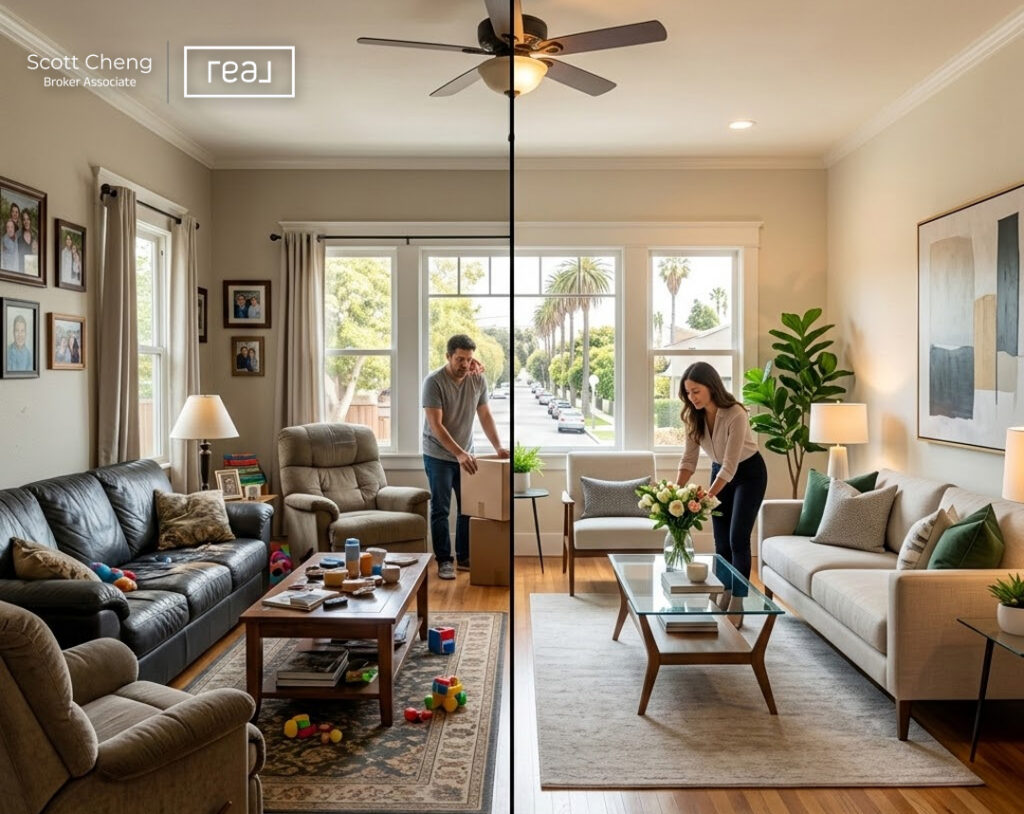
Home Staging Services vs DIY for San Diego Sellers in Normal Heights 2026: Top Reviews and How to Choose to Boost Sale Price by 10%+ Before Listing
Staging professionally in Normal Heights can add a 10–15% premium, while smart DIY upgrades can capture 4–7% if you execute well. Choose based on budget, timeline, and target buyer, then follow a data-driven plan to maximize your net proceeds.
Why does home staging matter so much for San Diego sellers in 2026?
Great staging directly shortens your time on market and protects your asking price — two outcomes every seller needs in 2026’s rate-sensitive environment.
You’re listing into a San Diego market where buyers still compete for quality homes, but they take a closer look. As of February 2026, active listings are down 12.5% year over year and pending sales are up 6.8%, yet average days on market nudged to 25. With mortgage rates hovering near 6.5%, you need every advantage to hold price and shorten time on market. Great staging does both. In Normal Heights, where Craftsman charm and compact footprints are common, presentation is your lever to push emotional appeal and justify your price. You’ll also see similar dynamics in nearby North Park and Kensington, where buyer demand meets limited inventory and careful comparison shopping. Your timing through March and April matters, your photos matter, and your staging choices matter most of all.
What should San Diego sellers know before choosing between professional staging and DIY?
Ground your decision in local market numbers: professional staging in San Diego typically costs around $3,200 and can generate a 10–15% price premium, making it a strong ROI play in most price bands.
The National Staging Association reports a 10–15% average sale price premium for professionally staged homes, and San Diego data shows buyers rewarding turnkey listings with faster offers near or above ask. Your local costs matter too. Typical San Diego budgets include about $12,500 for pre-listing repairs, $3,200 for staging, and $400 for professional photography. If you allocate dollars well, you protect your net.
Key takeaways you can use:
- You need market-fit style. Normal Heights buyers love period details with updated function. Lean transitional, not overly modern.
- You should time it right. March and early April showings spike in Central San Diego, including Normal Heights and Mission Valley, so finish staging before photos.
- You can stage to the price band. If you price near a central median around $1.2M, you must compete with sparkling comps and thoughtful layout solutions.
- You need scale and proportion. Small Craftsman rooms photograph larger with right-size sofas, leggy tables, and bright rugs.
- You should prioritize curb appeal. ROI on basic exterior upgrades can reach several multiples according to Remodeling Magazine’s cost vs value research.
- You must keep days on market tight. Countywide DOM is 25, but staged homes often compress that window, improving your leverage in negotiations.
When you compare full-service staging to DIY, measure expected premium against cash outlay and days to execute. Your goal is the highest net, not the cheapest line item.
What do top staging reviews actually tell you?
Local sellers tend to rate staging pros highly when they:
- Deliver same-week installation to match your photos deadline.
- Provide inventory that complements 1920s–1950s architecture without feeling theme-y.
- Include light landscaping, window treatments, and art curation that lift online photos.
- Offer rent-to-own inventory or partial-room packages for occupied homes.
In Normal Heights, StageScapes SD and Modern Nest Staging are often mentioned by sellers for flexible packages and quick turnarounds. You should verify current pricing, portfolio fit, and insurance coverage before you sign.
How do professional staging and DIY staging compare for San Diego home sellers?
Professional staging typically returns more than it costs in competitive San Diego price bands, while DIY can still yield 4–7% gains with the right scope and execution plan.
You can evaluate professional staging versus DIY by mapping cost to likely premium in your price tier, then pressure-testing the timeline.
Professional staging:
- Pros: Turnkey design, cohesive inventory, speed, proven buyer appeal. Better photos that capture attention in the first 48 hours online. Often helps you reach the 10–15% premium bracket.
- Cons: Cash upfront, monthly rental fees, and coordination windows. Not always cost-effective for entry-level price points if the house needs larger repairs.
DIY staging:
- Pros: Lower out-of-pocket, full control, easier for occupied homes. With the right checklist, you can capture 4–7% uplift from paint, lighting, and decluttering.
- Cons: Design cohesion is harder, execution takes time, and the finish may not “wow” in photos. Risk of missing pro-level details that drive premium offers.
Key factors to evaluate:
- Price positioning: If you plan to list in a competitive central San Diego band, professional staging usually returns more than it costs.
- Occupied vs vacant: If you live in the home, a hybrid approach often wins. Stage key rooms professionally and DIY the rest.
- Timeline and March–April traffic: If you need to be live in 10 days to ride the spring surge, a pro with inventory on hand is your safest bet.
Back up your choice with data. SDAR MLS trends indicate that well-priced, well-presented listings still move quickly even as negotiation windows widen. You should maximize opening-week impact to lock momentum.
How can San Diego sellers achieve a 10%+ price premium through home staging?
Follow this ten-step sequence — from pricing strategy through post-listing negotiation — to convert every staging dollar into measurable net proceeds.
Follow this sequence to convert staging dollars into net proceeds.
1) Set your pricing band
- Build a three-scenario range: aggressive, market, conservative.
- Align your staging scope to the scenario most likely to attract multiple offers in your bracket.
2) Pre-inspection and quick fixes
- Order a pre-listing walkthrough with a real estate agent San Diego sellers trust.
- Knock out safety, plumbing, and electrical quick hits. Target a $12,500 repair budget if needed to clear buyer objections.
3) Declutter and neutralize
- Remove 60–70% of personal items.
- Paint high-contrast walls to light neutrals.
- Replace heavy curtains with light sheers to bring in San Diego sun.
4) Prioritize rooms that sell
- Living room, kitchen, primary bedroom, entry, patio.
- If you only stage a few, stage these first. Add a café set or bench to highlight Normal Heights walkability.
5) Lighting and color story
- Warm LEDs at 3000K, layered lighting, mirrors to amplify space.
- Use one accent color across pillows, art, and throws for cohesion.
6) Furniture scale and flow
- In smaller Craftsman rooms, use love seats or apartment-scale sectionals.
- Create clear walk paths. Angle a chair to showcase a fireplace or built-in.
7) Curb appeal in 24 hours
- Fresh mulch, power-wash, new house numbers, matte-black mailbox, and a drought-friendly planter.
- These small moves can outperform bigger interior spends on ROI.
8) Photography and launch
- Schedule pro photography for morning light.
- Add virtual twilight and a simple floor plan for clarity.
- Hit the market midweek to capture weekend traffic when buyer alerts go out.
9) Feedback loop
- Monitor showing feedback in the first 72 hours.
- Adjust accessories, lighting, or scent immediately if buyers flag issues.
10) Negotiate with confidence
- Short DOM plus strong photos and staging gives you leverage to hold price or push to your escalation ceiling.
What does the San Diego staging landscape look like in Normal Heights, North Park, and Kensington?
Each central San Diego neighborhood has distinct buyer expectations: Normal Heights rewards Craftsman-blended style, North Park values modernized heritage, and Kensington demands polished, curated finishes.
You will compete across central San Diego, where the median sale price sits near $1.2M as of January 2026 according to regional reports. Normal Heights attracts buyers who want character, a walkable lifestyle, and quick access to Mission Valley and North Park. These buyers respond to homes that feel move-in ready and Instagram-friendly without feeling staged to the point of sterile.
Leverage Normal Heights strengths:
- Highlight original wood details with light walls and warm textiles.
- Showcase outdoor nooks with bistro sets and string lights, since sunny evenings sell the lifestyle.
- Embrace specialty grocers and local cafés in your listing remarks to match the vibe of cool neighborhoods in San Diego.
Expectations by nearby pocket:
- North Park buyers love modernized kitchens in older homes. If your kitchen needs punch, allocate budget to hardware, lighting, and a faucet upgrade that photographs well.
- Kensington buyers expect refined finishes and curated design. Professional staging often pays here because buyers compare across top neighborhoods in San Diego and value polish.
- Mission Valley condos and townhomes rely on clean lines and brightness. Minimalist staging with clear sightlines helps these spaces feel larger.
San Diego-wide context from MLS and CoreLogic:
- Inventory remains tight with months of supply around two in many submarkets, yet days on market at 25 gives you a brief window to adjust.
- Mortgage rates at about 6.5% keep buyers rate-conscious, so you must justify value in the first showing.
- Staging that clarifies space, solves layout quirks, and elevates online presence earns attention and shortens negotiations.
Neighborhoods to consider in San Diego:
- Normal Heights: Craftsman bungalows and creative energy. Central median benchmarks near $1.2M guide pricing. Staging that blends vintage and fresh style performs best.
- North Park: Trend-forward renovations and walkable blocks. Similar buyer pool to Normal Heights, often with a slight premium for turnkey design.
- Kensington: Leafy streets and classic Spanish Revival homes. Buyers expect upscale finishes, so full-service staging helps you meet that standard.
Nearby Areas Worth Exploring
You might also look at:
- University Heights: Similar vintage housing stock and café culture. Prices often mirror central San Diego medians, with premiums for view streets.
- Mission Valley: Townhome and condo options with strong freeway and trolley access. Staging that maximizes light and storage can lift value relative to HOA peers.
- La Mesa: A village vibe east of Normal Heights with a mix of mid-century homes. Staging to emphasize indoor-outdoor flow and family-friendly layouts appeals to buyers seeking value just outside central zones.
What are the most common home staging mistakes San Diego sellers make?
The biggest mistakes are underestimating buyer reliance on mobile listing photos, spending budget on the wrong rooms, ignoring lighting, and waiting too long to launch during the spring surge.
You might think buyers can “see past” clutter or mismatched furniture. They rarely do. In 2026, most buyers shop first through mobile photos, then they decide in 10 seconds if your home looks like one of the best neighborhoods to stay in San Diego style-wise or not. Another mistake is spending on the wrong rooms. You should concentrate money where photos carry the most weight: living areas, kitchen surfaces, primary suite, entry, and patio. Overlooking lighting is another common error. You can transform a room with warm LEDs, a modern flush mount, and a staged mirror.
You also should not drag your feet. Spring is your window. With March–April showing surges across central neighborhoods like North Park and Kensington, missing your photo deadline by a week can cost you buyer eyeballs. Finally, many sellers try to DIY everything to save a few thousand dollars, then leave 5–10% on the table. A hybrid plan often wins. Stage key rooms professionally, DIY the rest, then let a top realtor in San Diego fine-tune the photo order and captions so your listing headlines stand out.
Frequently Asked Questions About Home Staging for San Diego Sellers
Is professional staging worth it if your home is occupied?
Yes, especially if key rooms feel small or dated. You can use a hybrid plan. Stage the living room, primary bedroom, and entry professionally, and DIY secondary spaces. This controls cost while capturing most of the 10–15% premium potential.
How much should you budget for staging in Normal Heights?
Plan around $3,200 for full-home staging in San Diego, with partial-room packages available for less. Add about $400 for pro photos and allocate funds for paint and lighting. If you need repairs, expect an average of $12,500 to handle quick wins buyers notice.
Does this staging advice apply to North Park and Kensington too?
Yes. North Park buyers reward modernized heritage homes, so your staging should blend vintage and contemporary. Kensington buyers expect polish and cohesion, making full-service staging more attractive. Timelines, photos, and room prioritization remain the same across these areas.
How do you evaluate staging companies without relying on ads?
Review complete portfolios, not just highlight reels. Ask for before-and-after sets of homes like yours, confirm installation timelines, and request data on days on market and sale-to-list ratios for staged listings. Verify insurance, furniture quality, and contract terms.
Can DIY staging still help you reach a 10% premium?
Sometimes, but only with the right scope and price band. If you are competing near the central median, pro staging gives you a better shot at 10–15%. Solid DIY with paint, lighting, decluttering, and targeted furniture can yield 4–7% gains in many cases.
The Bottom Line
You can treat staging as an investment, not an expense. In Normal Heights, professional staging often returns a 10–15% premium because it aligns with what central San Diego buyers want right now: bright, functional, character-rich spaces that photograph beautifully and feel move-in ready. If your budget is tight, a hybrid approach lets you stage the rooms that sell and DIY the rest, still capturing meaningful upside. Whether you focus on Normal Heights or also consider North Park and Kensington, the same rules apply: price with intention, stage with a clear plan, and launch with flawless photos during peak spring traffic.
If you’re ready to explore your options for staging services vs DIY in Normal Heights or nearby communities, Scott Cheng at Scott Cheng San Diego Realtor can walk you through the specifics for your situation.
📞 858-405-0002
DRE# 01509668