

Can You Do a Short Sale in Linda Vista San Diego If You’re Behind on Payments?
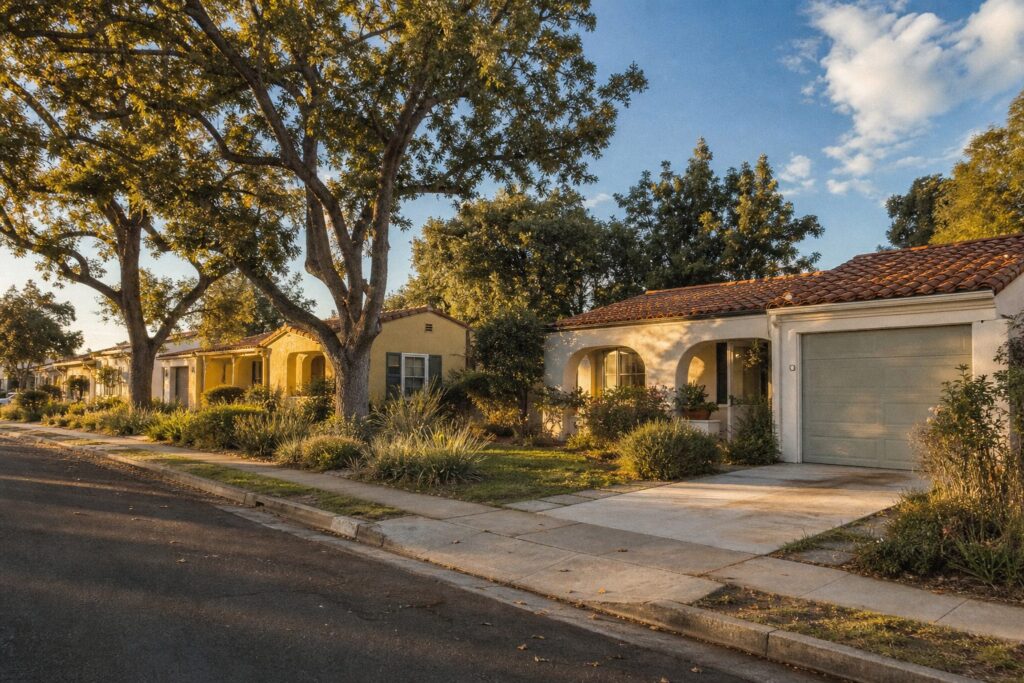
If you’re already behind on mortgage payments in Linda Vista, San Diego, and your lender has not yet started foreclosure, can you still pursue a short sale in 2026?
Yes, you can. Being behind on payments actually strengthens your eligibility for a short sale, and acting before foreclosure proceedings begin gives you more control, more time, and a cleaner outcome for your credit.
Why This Matters for Linda Vista Homeowners Right Now
The San Diego housing market in 2026 is sending mixed signals, and that uncertainty hits Linda Vista homeowners in a specific way. The median home sale price across San Diego sits around $925K as of Q2 2026, but Linda Vista, as a mid-market neighborhood, typically falls below that citywide number. Foreclosure filings nationally jumped 21% in the first half of 2026 compared to last year, and San Diego County is seeing that normalization too, with 48 foreclosures in the past month alone.
Here is what I want you to understand: you are not alone, and you are not out of options. As the President of the San Diego Association of REALTORS recently noted, the economy “is not terrifically stable” right now, and it is impacting people’s ability to afford their mortgages alongside rising cost of living. If you are reading this from Linda Vista and wondering whether you have missed your window, you have not. A short sale is available to you right now, and the fact that foreclosure has not started yet is actually working in your favor.
What Qualifies You for a Short Sale in Linda Vista, San Diego
So what exactly does a lender need to see before they approve a short sale? There are three core requirements, and if you are behind on payments, you may already meet the first one.
- Mortgage delinquency. You need to be behind on payments or reasonably expect to fall behind soon. If you are already missing payments, this box is checked.
- Negative equity or limited equity. Your mortgage balance needs to be at or above your home’s current market value. In Linda Vista, where values sit below the San Diego median and certain older condos and townhomes have dropped 10 to 15 percent due to rising HOA dues, insurance costs, and SB 326 inspection expenses, this is more common than you might expect.
- Documented financial hardship. You need to show your lender a legitimate reason you cannot continue paying. Job loss, medical emergencies, divorce, a death in the family, or reduced income all qualify. The hardship does not have to be strictly financial in nature.
What I tell my clients is this: a cloudy mind can’t make decisions. So before you spiral into worst-case thinking, let’s look at whether these three boxes apply to your situation. For many Linda Vista homeowners I have worked with over 18 years in San Diego real estate, the answer is yes on all three.
You Do Not Need to Wait for Foreclosure to Start
This is the single most important point in this entire article, and it is the one that trips people up the most. You do not need a foreclosure notice to begin a short sale. In fact, acting before your lender files a Notice of Default gives you significantly more leverage.
Here is why. Once a lender files a Notice of Default in California, a 90-day reinstatement clock begins. After that, the non-judicial foreclosure process can take 120 to 180 days from notice of default to trustee sale. That entire timeline creates pressure, reduces your negotiating power, and limits your options.
By initiating a short sale now, while you are behind on payments but not yet in formal foreclosure, you control the pace. You choose the agent. You list the home on your terms. And California law protects your home from foreclosure during the short sale process. Learn more about avoiding foreclosure from HUD resources.
One Linda Vista homeowner I worked with earlier this year was three months behind on a condo mortgage. The HOA had recently passed a special assessment, insurance had increased, and their household income had dropped after a layoff. They assumed they had to wait for the bank to “do something” before they could act. When we sat down and reviewed their situation, we were able to submit a short sale package within two weeks and get the home listed. The lender approved the short sale, and that homeowner avoided foreclosure entirely.
How the Short Sale Process Works Step by Step in San Diego
If you decide to move forward, here is what the timeline typically looks like. Having closed over 275 transactions across San Diego County, I can tell you that every short sale has its own rhythm, but the general framework is consistent.
Step 1: Gathering Your Documentation (7 to 14 Days)
Your lender will want a short sale package that usually includes a hardship letter, recent bank statements, pay stubs or proof of income, tax returns, mortgage statements, and a financial worksheet. I help my clients organize all of this upfront so nothing stalls the process.
Step 2: Listing the Home (20 to 60 Days)
Your lender will require the property to be listed on the open market with a licensed real estate agent. Even though they are agreeing to take a loss, they want to maximize what the home brings. In San Diego’s current market, where the median time on market is just 18 days and well-priced homes are holding a 99% sale-to-list ratio, a Linda Vista property priced correctly can attract offers quickly.
Step 3: Offer Submission and Lender Negotiation (2 to 8 Weeks)
Once an offer comes in, it gets submitted to your lender for review and negotiation. This is where experience matters. Some lenders have dedicated short sale departments. Others outsource the process. Approval can take anywhere from two weeks to 60 days. During this time, I continue marketing the home to generate backup offers, which strengthens your negotiating position.
Step 4: Closing Escrow (Approximately 30 Days)
After lender approval, a traditional escrow period of about 30 days wraps everything up. From start to finish, the entire short sale process typically takes three to six months.
What does that mean for your daily life? You can continue living in your home during the entire process. California law protects your occupancy while the short sale is underway.
How a Linda Vista Short Sale Protects Your Credit and Finances
Let’s talk about what happens to your credit and your financial future, because this is where the short sale versus foreclosure comparison matters most.
A foreclosure stays on your record and has a severe, long-lasting impact on your credit profile. A short sale, by contrast, does not go down as a foreclosure on your financial record or credit report. The missed payments leading up to the short sale may have already affected your score, but the short sale itself typically has a smaller impact than a completed foreclosure.
There is another major protection you should know about. Under California Code of Civil Procedure 580e, if your lender agrees to a short sale on a one-to-four unit residence, the first lien holder is required to waive the deficiency. That means they cannot come after you for the difference between what you owe and what the home sells for. This is significant protection.
However, and this is important, you should have the short sale approval letter reviewed carefully before closing. The letter should confirm whether the lender is waiving the deficiency, reserving rights, requiring a contribution, or taking another position. As part of my practice, I provide a complimentary attorney review of contracts and disclosures with every transaction, covered by me, even if escrow cancels. For a short sale, that extra layer of legal review is especially valuable.
A couple I worked with in a nearby San Diego neighborhood had two mortgages on their property and assumed a short sale was impossible with multiple liens. We were able to get both lenders to approve the sale. It took patience and persistent negotiation, but they walked away without a foreclosure on their record and with a clear path to rebuild.
What San Diego Lenders Are Actually Doing in 2026
You might be worried that your lender will refuse to work with you. In my experience, the opposite is true. Lenders learned during the last housing downturn that foreclosing on properties and taking them back is not a workable long-term solution. As one industry leader recently put it, lenders “found out that foreclosing and taking properties back, it’s not a real feasible solution.”
Many San Diego servicers in 2026 are actively offering forbearance, loan modifications, and short sale approvals because these outcomes cost them less than a full foreclosure. If you call your lender and explain your situation, they will often present options. But here is what I always recommend: have a professional in your corner before that call. Knowing your rights, your home’s current value, and your realistic options puts you in a much stronger position.
With 275 five-star reviews from past clients and a 5 out of 5 average rating, a significant part of what I do is help San Diego homeowners navigate sensitive financial situations calmly and clearly. No pressure, no fear-based urgency. Just clean information and a plan you can feel good about.
Frequently Asked Questions
Can I start a short sale in Linda Vista before my lender files a Notice of Default?
Yes. There is no requirement that foreclosure proceedings be initiated before you can pursue a short sale. Being behind on payments and demonstrating financial hardship is sufficient. Acting early gives you more time and more control over the process.
How long does a short sale take in San Diego in 2026?
The typical short sale timeline runs three to six months from start to close. The biggest variable is how long your lender takes to review and approve the offer, which can range from two weeks to 60 days depending on the servicer.
Can I stay in my Linda Vista home during the short sale process?
Yes. California law allows you to continue living in your home while the short sale is being processed. You maintain occupancy throughout the listing, negotiation, and escrow periods.
Will a short sale ruin my credit score?
A short sale impacts your credit less severely than a foreclosure. The missed mortgage payments leading up to the short sale may have already lowered your score, but the short sale itself does not appear as a foreclosure on your credit report.
Does my lender have to agree to a short sale?
Yes. Because the home is being sold for less than the outstanding loan balance, lender approval is required. However, most lenders in 2026 prefer short sales to foreclosures because they are less costly and less time-consuming.
What if I have a second mortgage or HELOC on my Linda Vista home?
A short sale with multiple liens is possible, but all lien holders typically need to approve the sale. This adds complexity and negotiation time, which is why having an experienced agent and attorney review matters.
Will I owe money after the short sale closes?
Under California Code of Civil Procedure 580e, the first lien holder must waive the deficiency on an approved short sale of a one-to-four unit owner-occupied residence. Your short sale approval letter should be reviewed carefully to confirm this protection applies. For more information on loss mitigation options, consult HUD resources.
What documents do I need to apply for a short sale?
Most lenders require a hardship letter, recent bank statements, pay stubs or proof of income, tax returns, current mortgage statements, and a financial worksheet. Your agent can help you compile and organize this package.
How is the short sale price determined for my Linda Vista home?
Your lender will require the home to be listed on the open market. A comparative market analysis determines the listing price, and the lender reviews incoming offers against their own valuation. They want the highest reasonable price, even though they are accepting a loss.
Should I hire a real estate agent who specializes in short sales?
Absolutely. Short sales require specific lender negotiation skills, documentation expertise, and patience that standard transactions do not. Working with an agent experienced in distressed property sales in San Diego can make the difference between a smooth outcome and a stalled process.
The Bottom Line
If you are behind on mortgage payments in Linda Vista, San Diego, and your lender has not yet started foreclosure proceedings, you are in a stronger position than you think. A short sale is available to you right now, and acting before foreclosure begins gives you more time, more options, and a better outcome for your credit and financial future.
This is not a situation where you need to wait for someone else to make the first move. You can take control today. I am Scott Cheng, a Broker Associate with REAL Brokerage, and I have spent 18 years helping San Diego homeowners navigate exactly these kinds of decisions. If you want to talk through your options calmly and clearly, with no pressure and no obligation, call me at 858-405-0002 or reach out through my office at 16516 Bernardo Center Dr. Ste. 300. A cloudy mind can’t make decisions, so let’s get yours clear.
*This article is for educational purposes and does not constitute legal advice. Because short sale decisions involve legal and tax considerations, you should consult with a qualified California real estate attorney and tax professional before making a final decision.*