Due Diligence Steps for Buying Office or Industrial Property in Kearny Mesa San Diego
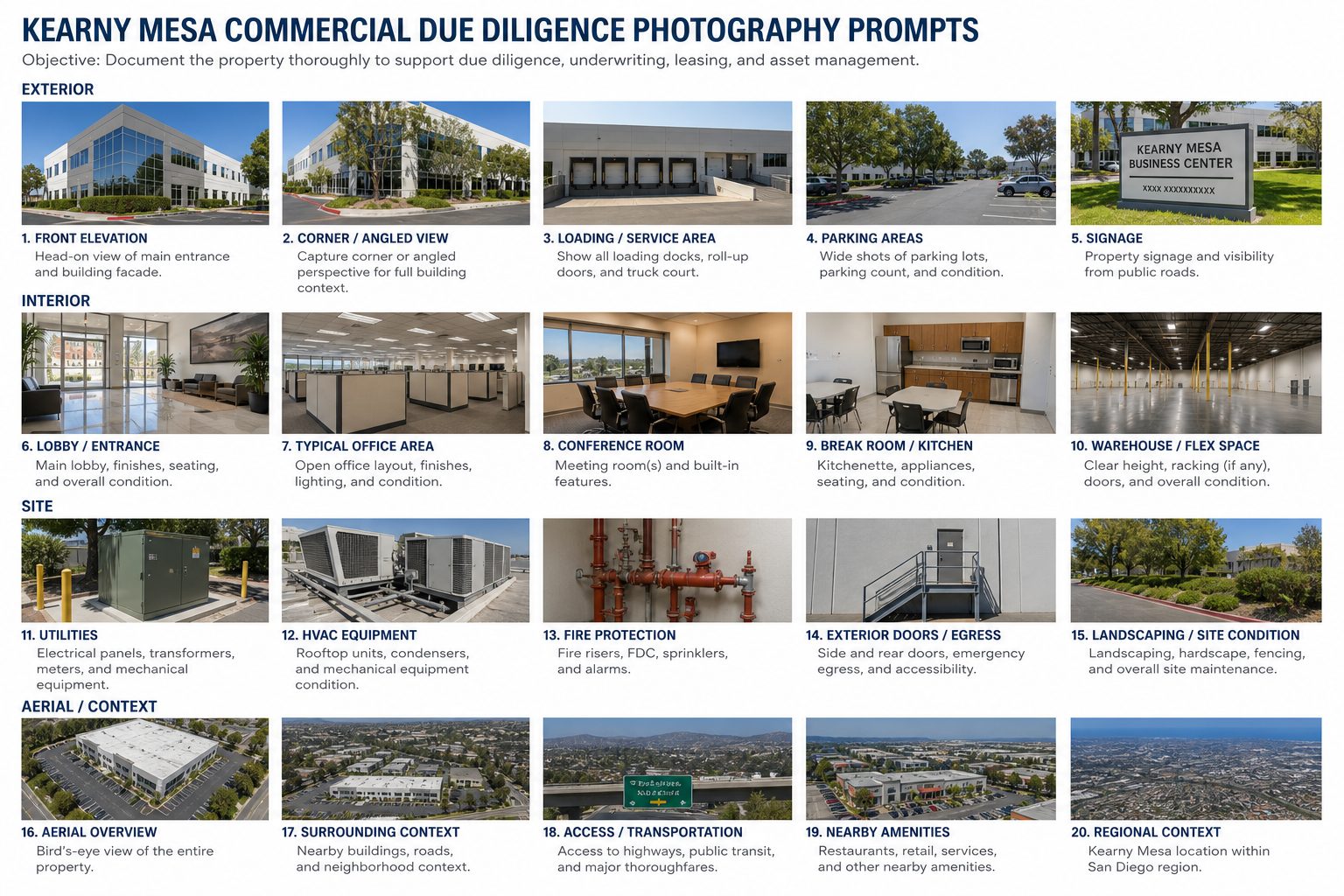
What due diligence steps do commercial investors need to complete before buying an office or industrial property in Kearny Mesa, San Diego in 2026?
You need to complete physical, legal, and financial due diligence, including property condition assessments, environmental reviews, title and zoning verification, tenant audits, and financial underwriting before closing on any Kearny Mesa commercial asset.
Why Kearny Mesa Due Diligence Matters More Than Ever in 2026
If you’re looking at office or industrial properties in Kearny Mesa right now, you’re stepping into a market that’s repricing, not collapsing. According to San Diego County population and economic data, the region’s commercial landscape continues to evolve. San Diego’s overall office vacancy reached 15.0% as of Q2 2026, while the industrial market is actually tightening, with vacancy dropping to 6.8% countywide. In Kearny Mesa specifically, the recent Kearny Mesa Community Plan update is reshaping which properties can be repositioned, which ones qualify for density bonuses, and which are headed for redevelopment.
That means the building you’re evaluating today could have a completely different set of opportunities, or risks, by the time you close. Many of the office and industrial structures in Kearny Mesa date back to the 1970s and 1980s, which makes thorough due diligence not optional but essential. With 16 years and over 275 closed transactions in San Diego, I can tell you that the investors who win in this cycle are the ones who treat due diligence like it’s the actual investment decision, because it is.
Physical Due Diligence for Kearny Mesa Office and Industrial Buildings
Property Condition Assessment
Your first step is a comprehensive Property Condition Assessment (PCA). This goes well beyond a standard walk-through. A PCA evaluates the structural integrity, roofing systems, HVAC equipment, electrical systems, plumbing, and fire life safety compliance of the entire building.
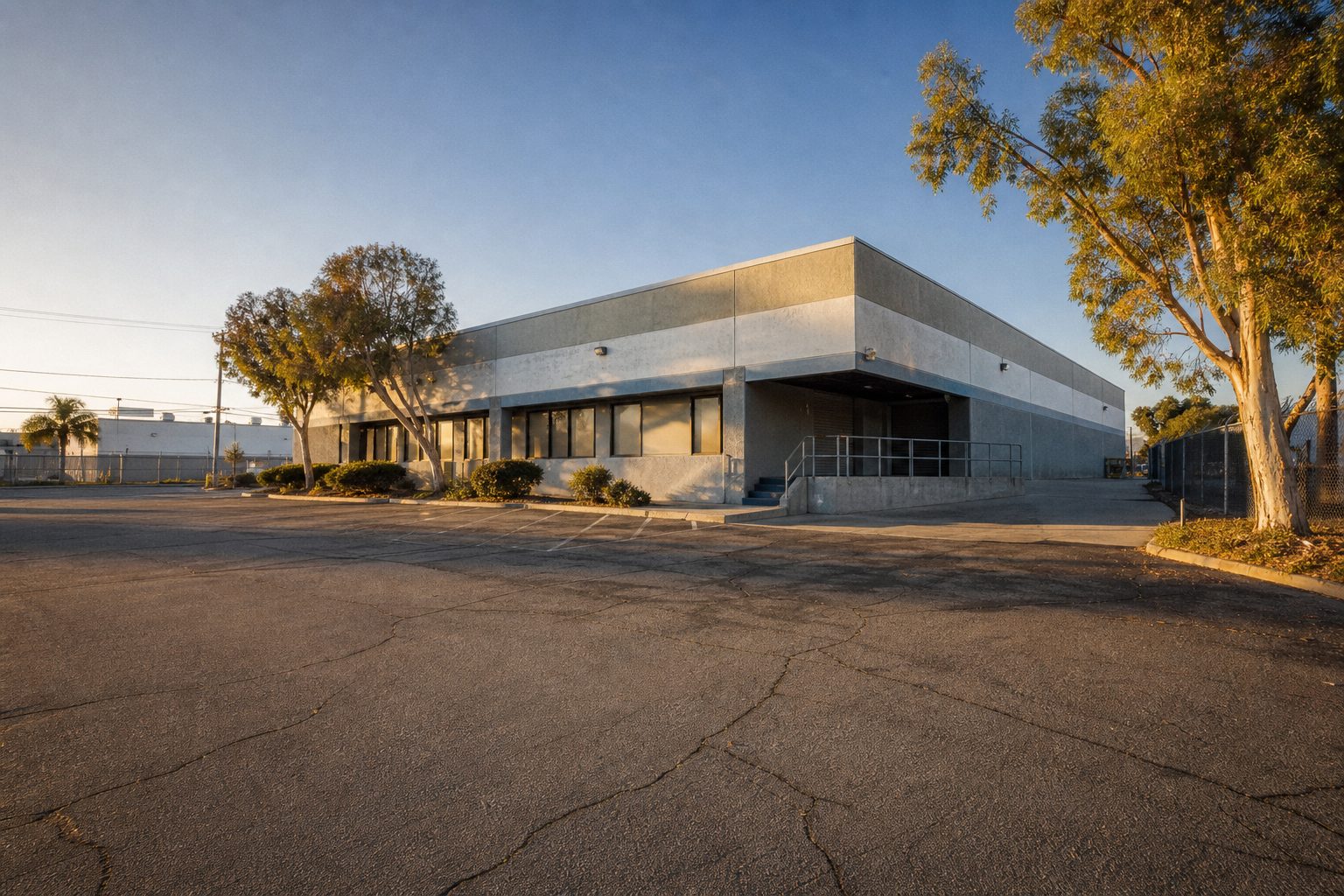
Why does this matter so much in Kearny Mesa? Because many of the business parks here, like the recently sold Kearny Mesa West Business Park (an approximately 212,000 square foot industrial complex with 16 one-story buildings across 14.3 acres), were built decades ago. In San Diego’s climate, flat commercial roofs deteriorate from UV exposure and coastal salt air. HVAC systems in large square footage buildings are expensive to replace. One investor I worked with was evaluating a flex space near the Convoy Street corridor and discovered that deferred HVAC maintenance alone would cost over six figures to bring current. That discovery completely changed the offer price and ultimately protected his return.
Environmental Site Assessment
For any industrial property, a Phase I Environmental Site Assessment is standard. If that report flags potential contamination, such as former defense industry operations or automotive uses (both common in Kearny Mesa), you’ll need to move into a Phase II assessment with soil and groundwater sampling. Skipping this step could make you liable for remediation costs that dwarf the purchase price.
Seismic and ADA Compliance
San Diego’s seismic zone requires evaluation of older structures for earthquake resilience. You should also verify ADA compliance, especially in older Class B and C office buildings that may not have been updated since original construction.
Legal Due Diligence: Zoning, Title, and Regulatory Review in Kearny Mesa
Zoning Verification Under the New Community Plan
This is where Kearny Mesa gets interesting in 2026. The city now uses a Sustainable Development Area (SDA) designation that redraws which parcels qualify for density bonuses. Projects within one mile of a major transit stop can bypass traditional floor-area-ratio limits entirely. If you’re buying near the Convoy District or along the Interstate 805 corridor, you need to verify exactly how your parcel is zoned today and what the SDA overlay means for future highest-and-best use.
What I tell my clients is: a cloudy mind can’t make decisions. Before you sign anything, get a clear zoning letter from the City of San Diego Development Services Department. Confirm permitted uses, conditional use requirements, and any overlay zones that might restrict or expand your plans.
Title and Encumbrance Review
Your title search should uncover liens, easements, CC&Rs, and any recorded agreements that could restrict property use. In multi-tenant business parks like those throughout Kearny Mesa, shared access agreements, parking allocations, and maintenance obligations can significantly affect operating costs.
Lease and Tenant Audit
If you’re acquiring an occupied property, you need to audit every existing lease line by line. Verify rent rolls against bank deposits. Confirm lease expiration dates, renewal options, tenant improvement allowances, and any concessions the seller may have offered to inflate occupancy before listing. Kearny Mesa West was approaching 90 percent occupancy with nearly 60 tenants at the time of its recent sale, which tells you multi-tenant assets can perform well here, but only if the rent roll is real.
Financial Due Diligence: Underwriting Kearny Mesa Commercial Investments
Income and Expense Verification
Request at least three years of operating statements, tax returns, and utility bills. Compare the seller’s pro forma to actual historical performance. In a submarket where older Class B and C buildings near Convoy Street are experiencing elevated vacancy, you can’t rely on optimistic projections.
One scenario I walked through recently with a client: they were underwriting an office building in Kearny Mesa with a pro forma showing 92% occupancy, but trailing twelve-month actuals showed 78%. That gap represented hundreds of thousands in projected income that simply wasn’t there yet. We adjusted the offer accordingly, and the deal still made sense at the right basis.
Capital Expenditure Forecasting
Your PCA should feed directly into a capital expenditure reserve analysis. Roof replacement, HVAC overhauls, parking lot resurfacing, and elevator modernization are all common on Kearny Mesa vintage stock. Build these into your underwriting so your returns reflect reality, not hope.
Financing and Loan Requirements
Lenders and insurance carriers increasingly require detailed inspection reports for commercial transactions. If you’re using SBA financing or a conventional commercial mortgage, your lender will have its own due diligence checklist. Having professional inspection documentation ready satisfies those requirements and can speed up your loan approval timeline. For income-producing properties, DSCR loans let you qualify based on the property’s cash flow rather than personal income.
Market Context: Understanding Kearny Mesa’s Position in San Diego
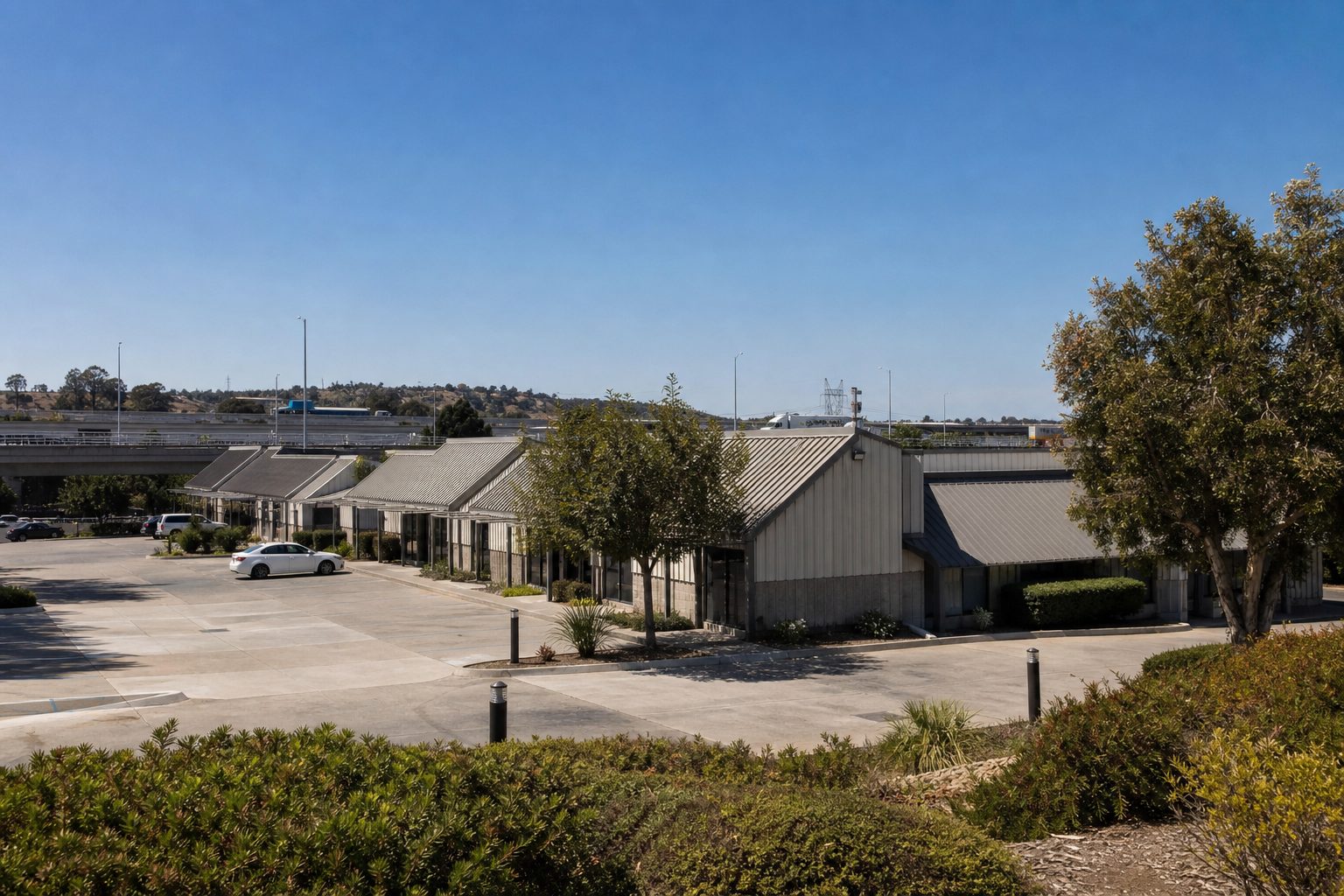
Kearny Mesa sits at the intersection of Interstate 805, Highway 52, and close proximity to Interstate 15, making it one of San Diego’s most connected commercial corridors. That highway access is why industrial demand here remains durable even as other submarkets soften.
The broader San Diego industrial market recorded its strongest quarter of new leasing in four years during Q2 2026, with tenant requirements doubling since late 2024 to 5.7 million square feet. Investors like H.G. Fenton continue to acquire infill industrial assets in Kearny Mesa, signaling institutional confidence in the submarket’s long-term trajectory.
For office investors, the calculus is different. You’re buying into a sector that’s stabilizing (Q1 2026 marked the first quarter of positive net absorption since Q4 2024) but hasn’t fully recovered. That means your due diligence needs to account for longer lease-up timelines and potentially higher tenant improvement costs to compete with newer product.
So what does this actually mean for your investment thesis? It means buying at the right basis with clean due diligence is more important than timing the bottom perfectly.
Assembling Your Kearny Mesa Due Diligence Team
You can’t do this alone. Having the right team on speed dial is what separates smooth closings from deals that blow up in escrow. Over 16 years in San Diego, I’ve built a vetted network of inspectors, environmental consultants, commercial appraisers, real estate attorneys, and contractors. One extra layer of protection I provide for buyers is a complimentary attorney review of contracts and disclosures, covered by me, even if escrow cancels.
Your due diligence team should include:
- Commercial property inspector experienced with Kearny Mesa vintage industrial and office stock
- Phase I environmental consultant familiar with San Diego’s former defense industry sites
- Commercial real estate attorney for lease, title, and contract review
- Commercial appraiser with recent Kearny Mesa comparable sales
- Civil engineer or architect if you’re evaluating repositioning potential under the new SDA zoning
Frequently Asked Questions
How long is the typical due diligence period for commercial property in Kearny Mesa?
Most commercial purchase agreements allow 30 to 60 days for due diligence, though complex deals with environmental concerns or multi-tenant properties may negotiate longer. Your purchase agreement should clearly define start and end dates, and you should begin scheduling inspections immediately upon opening escrow to avoid running out of time.
Is a Phase I Environmental Assessment required for every Kearny Mesa purchase?
While not legally mandated for every transaction, a Phase I is considered standard practice for commercial acquisitions and is typically required by lenders. Given Kearny Mesa’s history with defense industry facilities and automotive uses, skipping this step would be a significant risk.
What zoning changes should I research before buying in Kearny Mesa in 2026?
The Kearny Mesa Community Plan update and the city’s new Sustainable Development Area designation are reshaping permitted uses and density allowances. Properties within one mile of a major transit stop may qualify for density bonuses that bypass traditional floor-area-ratio limits. Verify your specific parcel’s zoning with the city before making an offer.
How do I verify a commercial property’s rent roll accuracy?
Request bank statements or deposit records from the seller that correspond to the reported rental income. Cross-reference lease terms, escalation schedules, and any concessions or free-rent periods. A discrepancy between reported and actual income is one of the most common findings during financial due diligence.
What physical issues are most common in Kearny Mesa industrial buildings?
Roof deterioration from UV exposure, aging HVAC systems, outdated electrical panels, plumbing issues in older construction, and deferred maintenance are the most frequent findings. Many Kearny Mesa industrial properties were built in the 1970s and 1980s, so capital expenditure reserves should reflect the age of these systems.
Do I need a seismic evaluation for a commercial building in San Diego?
San Diego falls within an active seismic zone, and older unreinforced masonry or tilt-up concrete buildings may need seismic retrofitting. Your PCA should include a seismic risk assessment, and some lenders will require a Probable Maximum Loss study before approving financing.
What financing options are available for Kearny Mesa commercial properties?
Options include conventional commercial mortgages, SBA 504 and 7(a) loans, DSCR loans that qualify based on property cash flow, and bridge financing for value-add strategies. Each has different due diligence documentation requirements, so coordinate with your lender early in the process.
How does the “buyer beware” rule affect commercial transactions in California?
Unlike residential sales, commercial real estate transactions in California largely follow a “buyer beware” standard. Courts generally hold that commercial buyers are sophisticated parties responsible for their own investigation. This makes thorough due diligence your primary protection against post-closing surprises.
Should I investigate neighboring properties during due diligence?
Yes. In Kearny Mesa, adjacent parcels may be slated for redevelopment under the updated community plan. Nearby construction, changes in traffic patterns, or environmental contamination from neighboring sites can all affect your property’s value and operations.
How do I evaluate whether a Kearny Mesa property is better suited for office or industrial use?
Review the current zoning, the building’s physical configuration (clear height, loading docks, power capacity), and the submarket’s tenant demand. With San Diego’s industrial vacancy at 6.8% versus office vacancy at 15.0%, the use case significantly impacts your risk profile and projected returns.
The Bottom Line
Buying an office or industrial property in Kearny Mesa in 2026 offers real opportunity, but only if your due diligence is thorough. The physical, legal, and financial investigation you complete before closing is what separates a smart acquisition from an expensive lesson. With 180 five-star reviews and a track record as a top 1% real estate agent in San Diego, I approach commercial transactions the same way I approach every deal: clarity first, clean information, and a calm plan you can feel confident about.
If you’re evaluating a Kearny Mesa commercial property and want a second set of experienced eyes on the deal, I’m Scott Cheng, Associate Broker at REAL Brokerage. You can reach me at 858-405-0002 or visit my office at 16516 Bernardo Center Dr. Ste. 300. I’m here to help you move forward with confidence.
Have Questions About San Diego Real Estate?
Scott Cheng provides free, no-obligation consultations for buyers, sellers, and investors.
Schedule a Consultation