How to Sell an Inherited House in Hillcrest San Diego When a Sibling Refuses
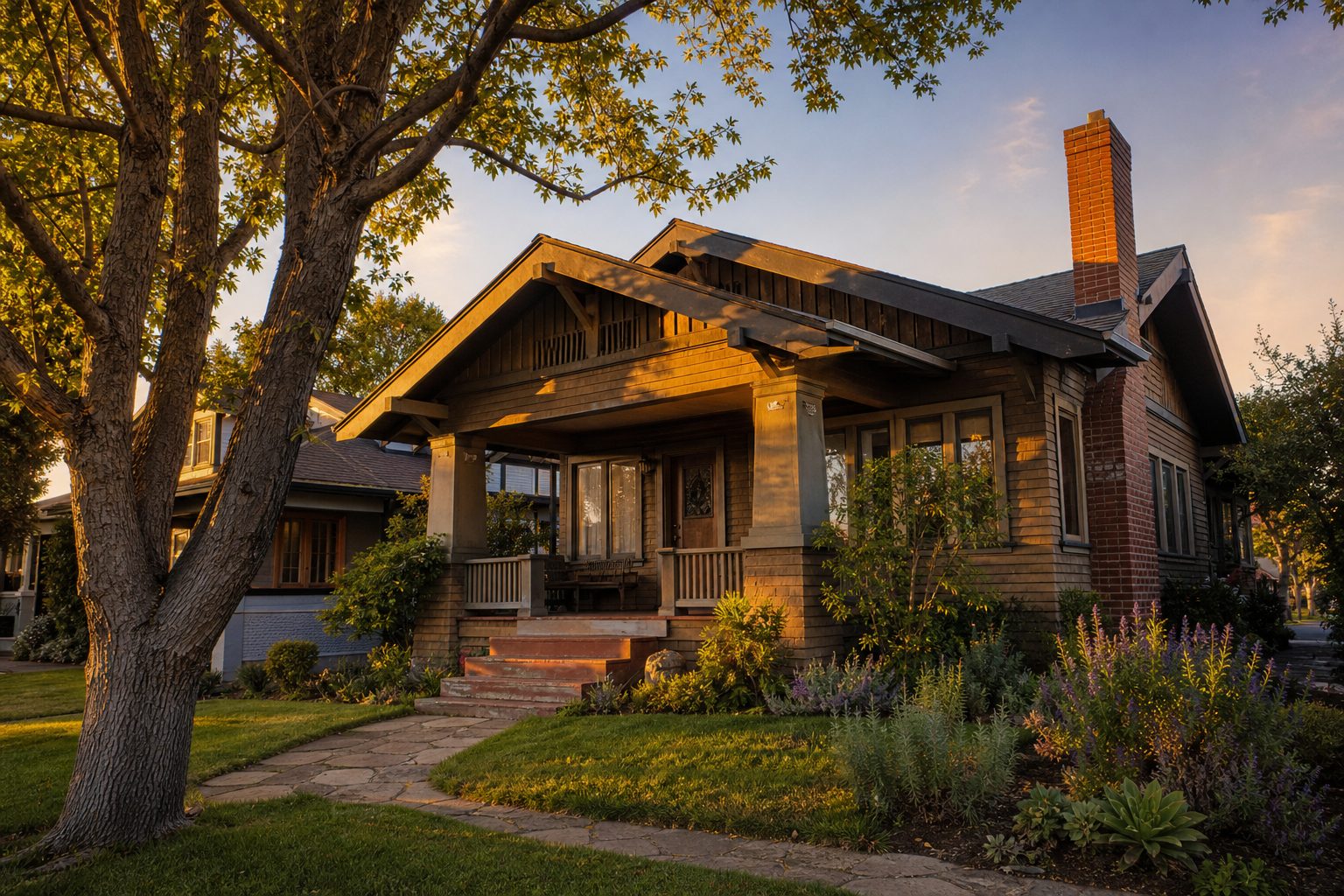
How do you sell an inherited house in Hillcrest, San Diego, in 2026 when multiple siblings co-own the property and one heir refuses to agree to the sale?
You have legal options. California law allows co-heirs to negotiate a buyout, pursue mediation, or file a partition action that can force a court-ordered open-market sale, even without unanimous agreement among siblings.
Why This Matters Right Now in Hillcrest’s High-Value Market
If you’ve recently inherited a home in Hillcrest with your siblings, the stakes are probably higher than you realize. The year-to-date median sale price for single-family homes in ZIP code 92103 (which covers Hillcrest, Bankers Hill, and Mission Hills) sits at approximately $1,751,069, according to 2026 data from the San Diego Association of REALTORS. That means each sibling’s ownership share likely represents hundreds of thousands of dollars in equity.
Here’s what makes this urgent. San Diego County currently has only a 3.0-month supply of inventory, and the median time on market is just 18 days. Homes in Hillcrest’s walkable grid near Balboa Park are in real demand. Every month your inherited property sits vacant, you’re likely covering property taxes, insurance, maintenance, and possibly a mortgage, all while the Proposition 19 clock ticks on property tax reassessment. The 12-month deadline from the date of death for preserving a parent’s lower property tax base adds genuine time pressure.
With 16 years of experience and over 275 transactions closed across San Diego, I’ve helped families navigate exactly this kind of situation. A cloudy mind can’t make decisions, so let me bring some clarity to your options.
Understanding Probate for Inherited Hillcrest Homes in San Diego
Before you can sell, you need legal authority to do so. This is where probate comes in.
Probate is the court-supervised process for transferring ownership of a deceased person’s property. If your parent or family member placed the Hillcrest home in a living trust, the successor trustee can typically sell without going through probate at all. But if the property was held in the deceased person’s name only, you’ll likely need to go through formal probate.
Why Hillcrest Properties Usually Require Full Probate
California’s Assembly Bill 2016, effective April 1, 2025, raised the simplified probate threshold for a primary residence to $750,000. That sounds helpful until you look at Hillcrest’s market. With single-family homes in 92103 commonly trading well above $1 million and many Craftsman and Mid-Century properties near University Avenue listed at $1.5 million or more, most inherited Hillcrest homes will exceed that simplified threshold.
Full probate in California typically takes 9 to 12 months for straightforward estates and can stretch to two or three years when contested. The costs are significant, too. Statutory attorney and executor fees are based on the gross estate value, not net equity. For a home appraised at $1.5 million, you’re looking at roughly $36,000 in combined statutory fees before accounting for the filing fee, probate referee appraisal, publication costs, and bond premiums. Total probate costs typically run 4% to 8% of gross estate value.
One critical detail: the executor or administrator needs IAEA (Independent Administration of Estates Act) authority to sell the property without returning to court for a confirmation hearing. Without it, the sale goes through a court confirmation where outside buyers can submit competing overbids. What I tell my clients is to make sure their probate attorney requests full IAEA authority from the start, because it streamlines the sale significantly.
What Happens When One Sibling in San Diego Refuses to Sell
This is the scenario that keeps families up at night. Three siblings inherit a Hillcrest home. Two want to sell. One refuses. Now what?
You cannot sell the entire property without all co-owners agreeing, unless you go through a legal process. But California law does not allow one co-owner to hold the others hostage indefinitely. Here are your options, ranked from least to most adversarial.
Option 1: Negotiate a Buyout
The simplest resolution is for the refusing sibling to buy out the other siblings’ shares at fair market value, or for the siblings who want to sell to buy out the refusing sibling’s share. On a Hillcrest home valued at $1.5 million split three ways, each share is worth roughly $500,000. That’s a big number, which is why buyouts often require the purchasing sibling to refinance or secure independent financing.
Option 2: Mediation Before Litigation
I recently worked with a family of four siblings who inherited a property in San Diego. Two wanted to sell immediately, one wanted to rent it out, and one simply wasn’t responding to calls. Before anyone filed paperwork, we brought in a mediator. Within two sessions, the siblings agreed on a timeline: one sibling would buy out the others within 90 days, or the property would go on the market. The whole process cost a fraction of what litigation would have.
Mediation is faster, cheaper, and far less damaging to family relationships. Many probate attorneys in San Diego recommend it as a mandatory first step.
Option 3: File a Partition Action
If negotiation and mediation fail, California law allows any co-owner to file a partition action (Code of Civil Procedure sections 874.311 through 874.323). California adopted the Uniform Partition of Heirs Property Act specifically to protect inherited properties from fire-sale outcomes. The process works like this:
- Court-ordered appraisal: A neutral appraiser determines fair market value
- Buyout opportunity: The non-selling co-owner gets the right to purchase the selling co-owners’ shares at the appraised price
- Open-market sale: If no buyout happens, the court orders an open-market sale to maximize value
- Auction (last resort): Only if an open-market sale proves impractical
This is an important protection. The old system often resulted in courthouse auctions where properties sold for well below market value. The current law prioritizes getting you a fair price.
Tax Implications for Inherited Hillcrest Property in 2026
The good news is that inherited property receives a stepped-up basis under IRC Section 1014. This means your cost basis resets to the home’s fair market value at the date of death, not what your parents originally paid for it.
So if your parents bought their Hillcrest Craftsman in 1985 for $150,000 and it’s now worth $1.6 million, your basis is $1.6 million. If you sell for $1.65 million, you only owe capital gains tax on the $50,000 difference, not the $1.5 million in appreciation.
What about Proposition 19? If none of the siblings plan to move into the property as a primary residence within 12 months, the home will be reassessed to current market value for property tax purposes. The 2026 Prop 19 exclusion cap is $1,044,586. Missing that 12-month window does not prevent a sale, but it raises your holding costs every month you wait.
The federal estate tax exemption for 2026 is approximately $14.26 million per individual, so most San Diego families will not face federal estate taxes. Federal long-term capital gains rates for 2026 are 0%, 15%, or 20%, depending on your income bracket.
How to Prepare a Hillcrest Inherited Home for Sale in San Diego
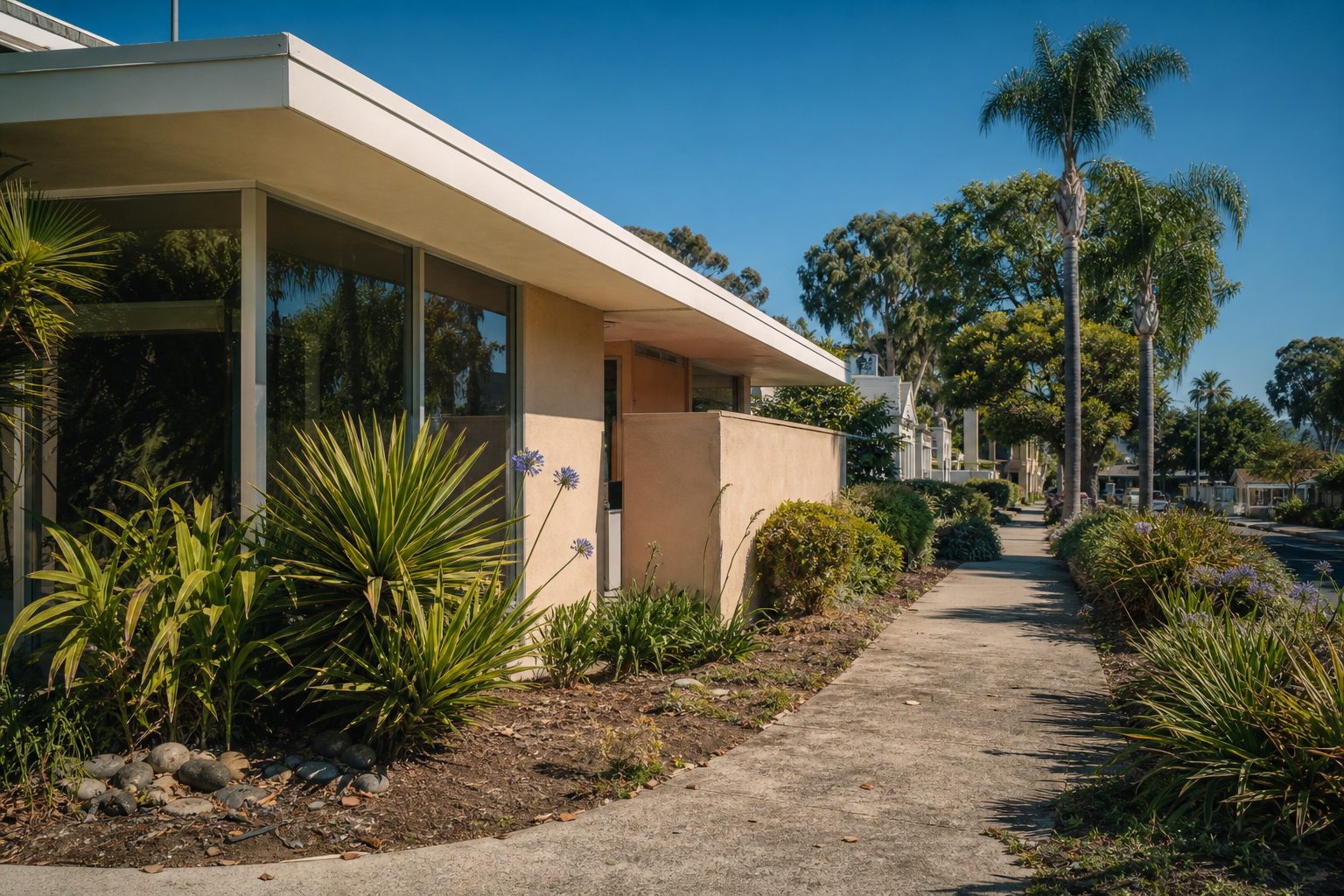
Once you have legal authority and sibling agreement (or a court order), the next step is getting the property ready. Hillcrest homes range from 535 to 2,700 square feet and include everything from Mid-Century Modern condos to Craftsman bungalows near the Sunday farmers market on Normal Street.
I worked with one family who inherited a 1940s bungalow just north of University Avenue. The home hadn’t been updated in decades, and the siblings were debating whether to renovate or sell as-is. Because I’ve worked on flips and remodels alongside investors and homeowners, I was able to walk through the property and identify which updates would move the needle on value and which would just burn cash. We focused on cosmetic improvements: fresh paint, updated fixtures, and landscaping. The property went under contract in 14 days.
In the current San Diego market, with only 3.0 months of inventory and homes selling in a median of 18 days, even inherited properties in imperfect condition attract strong buyer interest in a neighborhood like Hillcrest, where Balboa Park is practically your backyard and the walkable restaurant corridor draws buyers from across the county.
Should You Sell As-Is or Renovate?
- As-is sale: Faster, lower out-of-pocket cost, appeals to investors and renovation-minded buyers
- Light cosmetic updates: Typically $10,000 to $30,000, can add significantly more in perceived value
- Major renovation: Rarely makes sense for inherited properties with multiple co-owners, given the complexity of decision-making and cost-sharing
Frequently Asked Questions About Selling Inherited Property in Hillcrest
Can I sell an inherited house in Hillcrest before probate is complete?
You can list and market the property during probate, but the sale typically cannot close until the court grants authority to the executor or administrator. With IAEA authority, the timeline is more predictable. Without it, you’ll need a court confirmation hearing, which adds time and opens the door to competing overbids.
How long does probate take for a Hillcrest home in San Diego?
Straightforward estates generally take 9 to 12 months in California. Contested estates, including those with co-heir disputes, can take two to three years. Having an experienced probate attorney and a real estate agent who understands the process helps avoid unnecessary delays.
What is a partition action and how does it work in California?
A partition action is a lawsuit filed by a co-owner to force the sale (or division) of jointly owned property. Under California’s Uniform Partition of Heirs Property Act, the court orders an appraisal, offers a buyout opportunity to the non-selling co-owner, and then orders an open-market sale if no buyout occurs.
How much does a partition action cost in San Diego?
Attorney fees for a partition action vary, but you should expect $15,000 to $50,000 or more depending on complexity and whether the case goes to trial. Mediation before filing is almost always more cost-effective and can resolve disputes for a fraction of that amount.
Do I owe capital gains tax when selling an inherited house in Hillcrest?
You receive a stepped-up cost basis equal to the home’s fair market value at the date of death. You only owe capital gains tax on any appreciation that occurs after that date. If you sell relatively quickly, the tax liability is typically minimal.
What is Proposition 19 and how does it affect inherited property in San Diego?
Prop 19 requires reassessment of inherited property to current market value unless a qualifying child makes the home their primary residence within 12 months of the date of death. The 2026 exclusion cap is $1,044,586.
Can one sibling live in the inherited house while the others want to sell?
Yes, but the occupying sibling does not have veto power over the sale. The other co-owners can negotiate a buyout, request fair rental payments, or ultimately file a partition action if agreement cannot be reached.
What are the probate fees on a Hillcrest home worth $1.5 million?
Statutory attorney and executor fees on a $1.5 million gross estate value are approximately $36,000 combined. Add the filing fee ($435), probate referee appraisal fee, publication costs, and bond premiums, and total probate costs typically run 4% to 8% of the gross estate value.
Is it better to sell an inherited Hillcrest home as-is or renovate first?
In most cases, light cosmetic updates (paint, landscaping, fixture updates) offer the strongest return without the complexity of major renovation. With San Diego inventory at 3.0 months of supply and Hillcrest’s strong buyer demand, as-is sales are also very viable.
How do I find a real estate agent in San Diego who handles probate sales?
Look for an agent with direct experience in probate transactions, strong relationships with probate attorneys, and a deep understanding of the local market. With over 275 closed transactions and 180 five-star reviews across San Diego, I work closely with probate attorneys and understand the unique requirements of inherited property sales.
The Bottom Line on Selling an Inherited House in Hillcrest, San Diego
If one sibling is refusing to agree to a sale, you are not stuck. California law provides clear remedies, from negotiated buyouts to mediation to court-ordered partition actions. The key is acting with clear information and a calm plan rather than letting the situation drift.
Hillcrest property values are strong, buyer demand is real, and inventory is tight. That works in your favor. But every month of delay costs money in taxes, insurance, maintenance, and potential Prop 19 reassessment. Learn more about selling your home in San Diego to understand your full range of options.
I’m Scott Cheng, Broker Associate with REAL Brokerage, and I’ve spent 16 years helping San Diego families navigate sensitive real estate situations with clarity and care. If you’re dealing with an inherited property in Hillcrest or anywhere across San Diego County and need a calm, data-informed plan, I’m happy to talk it through. You can reach me at 858-405-0002.
Have Questions About San Diego Real Estate?
Scott Cheng provides free, no-obligation consultations for buyers, sellers, and investors.
Schedule a Consultation