Real Risks of Buying Raw Land in Otay Mesa San Diego in 2026
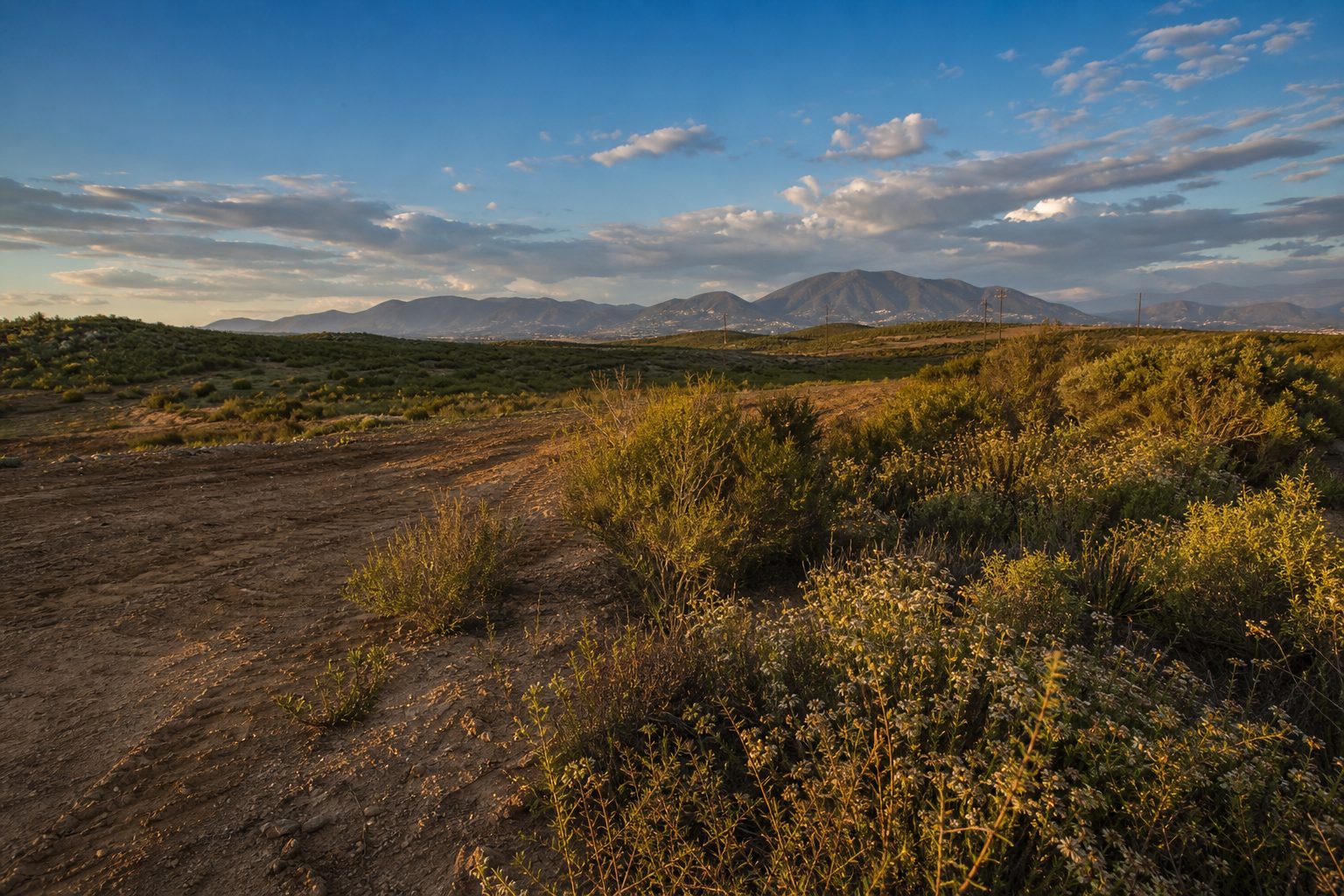
What are the real risks of buying raw land in Otay Mesa, San Diego in 2026, including border zone restrictions, environmental review, and how long entitlement actually takes?
Buying raw land in Otay Mesa carries significant risks tied to involuntary rezoning, environmental habitat mitigation, border infrastructure constraints, and entitlement timelines that can stretch five to ten years before you break ground.
Why Otay Mesa Raw Land Risks Matter Right Now in San Diego
If you’re eyeing raw land in Otay Mesa, 2026 is a pivotal year. The San Diego City Council approved the Southwest Village Specific Plan in July 2026, a massive framework for over 5,000 new homes across roughly 500 acres. That single approval reshuffled zoning designations, conservation boundaries, and development expectations for private landowners throughout the area.
Here’s what makes this moment different from five years ago. The Otay Mesa community planning area sits at the convergence of three forces: a booming San Diego housing market (according to U.S. Census Bureau data, the countywide median hit $925,000 in May 2026, up 1.3% year over year), extremely limited buildable land supply, and a complex regulatory landscape shaped by the international border. A cloudy mind can’t make decisions, so I want to walk you through exactly what you’re up against before you commit capital to a raw parcel here.
With 16 years of experience as a San Diego real estate broker and having closed over 275 transactions across the county, I’ve seen firsthand how raw land can either be the smartest investment you make or the most expensive lesson you learn.
How Involuntary Rezoning in Otay Mesa San Diego Can Reduce Your Land Value
This is the risk most land buyers underestimate, and it’s playing out right now.
The Southwest Village Specific Plan covers approximately 490 acres in Otay Mesa. As part of that approval, the City of San Diego rezoned privately owned parcels within the project boundaries. Some landowners who purchased under the Agricultural-Residential (AR-1-1) zoning designation found their land reclassified to Open Space-Residential (OR-1-2) zones, which can dramatically restrict future development.
What does that mean for you as a buyer? If you purchase a raw parcel today without fully understanding the adopted specific plan boundaries and any pending community plan amendments, you could buy a parcel that loses development potential before you even begin your entitlement process.
One investor I spoke with had owned parcels in the Otay Mesa area for decades. When the Southwest Village plan moved forward, portions of his land fell within new conservation designations tied to habitat mitigation requirements. Despite years of holding costs, including property taxes and maintenance, his development options narrowed considerably.
What You Can Do to Protect Yourself
- Review the adopted Southwest Village Specific Plan maps before making any offer
- Confirm whether your target parcel falls within or adjacent to the plan boundaries
- Have your purchase agreement include contingencies for zoning verification and community plan consistency
- Consult with a land-use attorney, not just a real estate agent, before removing contingencies
Environmental Review Delays in Otay Mesa San Diego: The Hidden Timeline Killer
Otay Mesa’s landscape includes protected habitat areas governed by the City of San Diego’s Multi-Habitat Planning Area (MHPA). If your parcel sits within or adjacent to the MHPA, you’re looking at a layer of environmental review that can add years to your timeline and hundreds of thousands of dollars to your budget.
The Southwest Village project itself required a Supplemental Environmental Impact Report (SEIR) and a Statement of Overriding Considerations. The developer, Tri Pointe Homes, worked with both the City of San Diego and the U.S. Fish and Wildlife Service to offset habitat impacts. That collaboration started in 2016, and the City Council didn’t approve the plan until July 2026. That’s roughly ten years from initiation to approval for a well-funded, experienced national homebuilder.
So what chance does an individual land buyer have of moving faster? Honestly, it depends on the parcel. Some parcels in the planning area sit outside the MHPA and contain minimal environmentally sensitive lands. The Southwest Village project site itself, for example, contained only about 1,102 square feet of disturbed wetland vegetation and was not located within the MHPA. Other parcels a few hundred feet away face dramatically different conditions.
What I tell my clients considering raw land is this: before you even negotiate price, pay for an environmental constraints analysis. It’s a fraction of the land cost and can save you from a multiyear regulatory process you weren’t expecting.
Border Zone Restrictions and Infrastructure Gaps Unique to Otay Mesa San Diego
You can’t talk about Otay Mesa without talking about the border.
The Otay Mesa community planning area is bounded by the U.S.-Mexico border on the south, the Otay River Valley and the city of Chula Vista on the north, Interstate 805 on the west, and the unincorporated county on the east. The subregion is characterized by proximity to the Otay Mesa Port of Entry, two detention facilities, a landfill, and the San Ysidro Mountains.
What does this mean for raw land buyers?
- Utility access can be limited or expensive. Many raw parcels in Otay Mesa lack connections to sewer, water, and electrical infrastructure. Extending utilities to remote parcels can cost tens or even hundreds of thousands of dollars, and those costs come entirely out of your pocket.
- Road infrastructure is evolving but incomplete. The area is seeing public investment in transportation corridors, but not every parcel has guaranteed legal road access. Confirming deeded access and road improvement obligations is a critical due diligence step.
- Federal land-use overlays may apply. Given the proximity to the international border, certain parcels may be subject to federal oversight or easements that restrict development independent of City zoning.
One couple I worked with was excited about a large Otay Mesa parcel priced well below comparable lots in northern San Diego. When we dug into the due diligence, we discovered that extending water and sewer to the property would cost more than the land itself. They redirected their search, and that single conversation saved them from a six-figure mistake.
How Long Entitlement Actually Takes in Otay Mesa San Diego
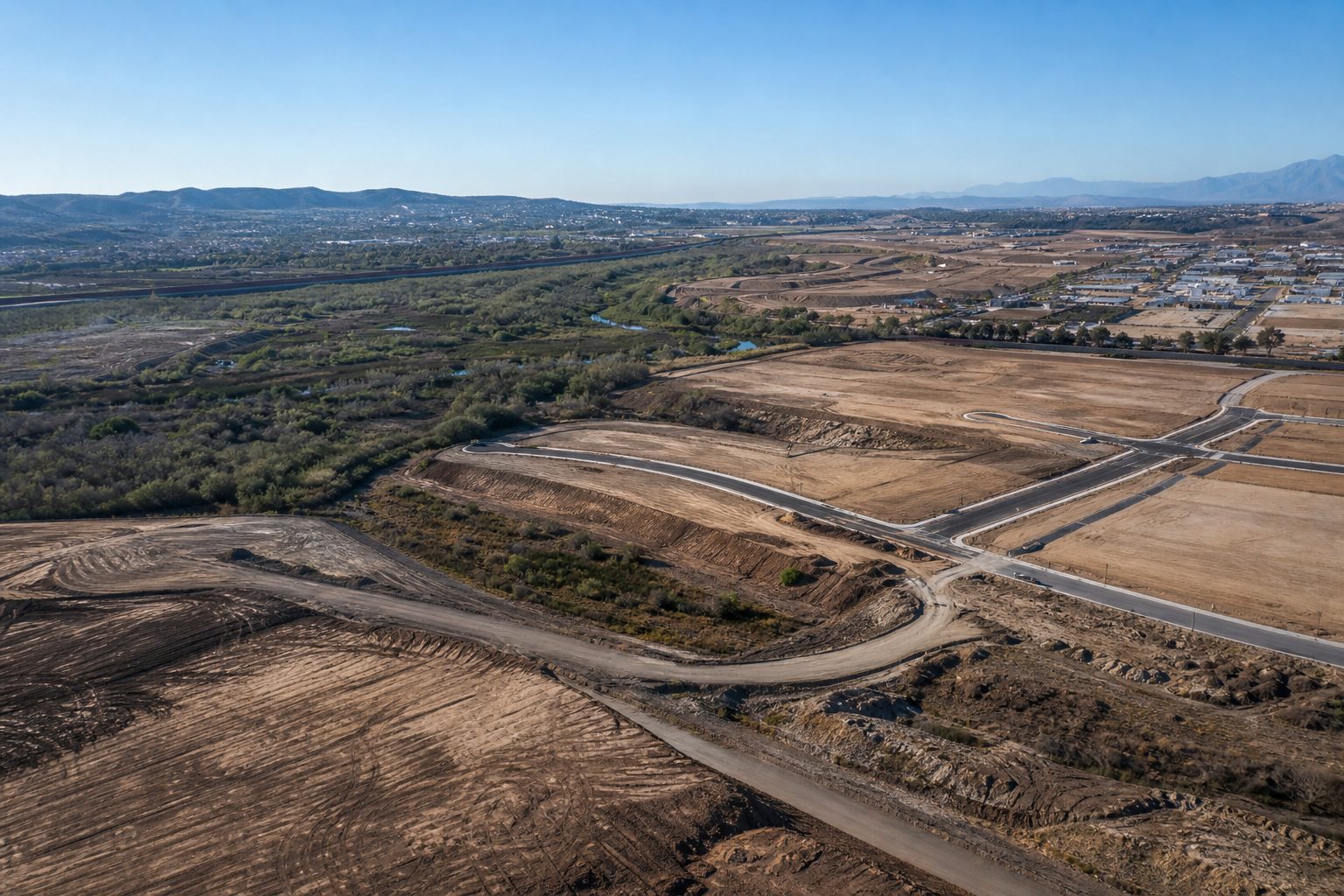
Here’s where I need to be direct with you. The entitlement process in Otay Mesa is not measured in months. It’s measured in years.
The Southwest Village Specific Plan is the clearest case study. City staff and Tri Pointe Homes began working with property owners, community members, public agencies, and the Otay Mesa Community Planning Group starting in 2016. The Otay Mesa Community Planning Group and the San Diego Planning Commission both recommended approval before the City Council finally adopted the plan in July 2026. That’s approximately ten years.
Now, your project is likely smaller in scale. A single-parcel entitlement for a custom home or small development won’t require a full specific plan. But you should realistically plan for:
- 3 to 5 years for a straightforward rezone or conditional use permit on a parcel without significant environmental constraints
- 5 to 10 years for any project requiring a community plan amendment, environmental impact report, or MHPA boundary adjustments
- Ongoing holding costs during the entire period, including property taxes, consultant fees, legal fees, and loan payments with zero cash flow from the property
The entitlement process creates enormous value. A raw parcel entitled for residential development can be worth multiples of its pre-entitlement price. But you need the financial runway to survive the timeline, and the risk tolerance to accept that approvals are never certain.
Financial Risks of Holding Raw Land in Otay Mesa San Diego While You Wait
Raw land generates zero income. During the entitlement phase, every dollar you spend on consultants, property taxes, permit fees, insurance, and loan payments comes from your own reserves. There’s no rental income to offset costs.
What I’ve seen in 16 years of San Diego real estate is that the buyers who succeed with raw land are the ones who budget for a down payment and understand closing costs carefully. If you plan for a three-year hold and it takes seven, your entire financial model breaks.
Here’s what to budget beyond the purchase price:
- Annual property taxes and assessments on the full parcel value
- Environmental and geotechnical consultants (often $20,000 to $75,000 or more)
- Land-use attorney fees for zoning applications and hearings
- Engineering and infrastructure studies for grading, drainage, and utility extensions
- Carrying costs on any financing, since land loans typically carry higher rates than residential mortgages
And there’s one more risk that’s easy to overlook: market timing. During economic downturns, if builders stop building, there may not be a buyer for your entitled land even after you’ve invested years and significant capital into the approval process.
Frequently Asked Questions About Buying Raw Land in Otay Mesa San Diego
Can you build on any raw parcel in Otay Mesa right now?
Not necessarily. Many parcels require rezoning, environmental clearance, or infrastructure improvements before a building permit can be issued. You need to verify current zoning, community plan designations, and any environmental overlays before assuming buildability. A land-specific due diligence review covering 20 or more risk factors is essential before committing to a purchase.
How does the Southwest Village Specific Plan affect existing Otay Mesa landowners?
The plan rezoned privately owned parcels within its boundaries, changing some from Agricultural-Residential to combinations of Residential-Multiple Unit and Open Space-Residential zones. Some landowners have opposed these changes, arguing the rezoning restricts future development opportunities and reduces property values. If your target parcel falls within or near the plan boundaries, this directly affects your investment.
What is the Multi-Habitat Planning Area and does it apply in Otay Mesa?
The MHPA is the City of San Diego’s habitat conservation framework. While some parcels in the Southwest Village project area sit outside the MHPA, many surrounding Otay Mesa parcels are within or adjacent to it. Being inside the MHPA triggers additional environmental review requirements, potential habitat mitigation obligations, and coordination with the U.S. Fish and Wildlife Service.
How much does environmental review cost for raw land in San Diego?
Costs vary dramatically based on site conditions. A Phase I environmental assessment might run a few thousand dollars, while a full Environmental Impact Report for a larger project can cost $100,000 or more and take years to complete. Even a smaller parcel requiring biological surveys and wetland delineation can easily run $20,000 to $50,000.
What are the biggest infrastructure gaps in Otay Mesa for land development?
Water, sewer, and road access are the primary gaps. Many raw parcels lack connections to municipal utilities, and the cost of extending infrastructure can exceed the land purchase price. You need engineering estimates for utility extensions before you can accurately assess total project costs.
Is Otay Mesa a good area for land investment in San Diego in 2026?
Otay Mesa offers significant long-term potential given the Southwest Village approval and San Diego’s ongoing housing supply shortage. However, the risks are substantial. Only buyers with significant capital reserves, long time horizons, and tolerance for regulatory uncertainty should consider raw land here. If you’re considering properties in nearby areas, explore whether buying a condo in Otay Ranch is worth it as an alternative.
How do border proximity restrictions affect land development in Otay Mesa?
Federal easements, proximity to detention facilities, and international infrastructure corridors can restrict development on certain parcels. You should verify whether any federal land-use overlays apply to your target parcel through both City planning records and federal agency consultation.
Can you get traditional financing for raw land in Otay Mesa San Diego?
Traditional residential mortgages don’t apply to raw land. Land loans typically require 30% to 50% down payments and carry higher interest rates than conventional home loans. Most raw land buyers in this area use cash or private financing, which adds to the risk profile.
What happens if your entitlement application is denied in San Diego?
If your entitlement application is denied, you typically have the option to appeal, modify your proposal, or walk away. The money spent on consultants, attorneys, and application fees is generally not recoverable. This is why thorough pre-application research and early engagement with City planning staff is critical.
Should you hire a real estate agent who specializes in land for Otay Mesa purchases?
Absolutely. Raw land valuation is fundamentally different from residential home pricing. Simply pulling “land comps,” as many agents do, is flawed because grading costs, utility extensions, mitigation requirements, and entitlement status vary enormously from parcel to parcel. When choosing the right buyer’s agent for first-time home purchases, look for specialists who understand these variables and can protect you from costly mistakes.
The Bottom Line on Buying Raw Land in Otay Mesa San Diego
Raw land in Otay Mesa can be a powerful investment, but only if you go in with clear information and realistic expectations. The risks are real: involuntary rezoning from the Southwest Village Specific Plan, environmental review timelines measured in years, border zone infrastructure gaps, and holding costs that pile up with zero income to offset them.
If you’re seriously considering a raw land purchase in Otay Mesa or anywhere in San Diego, I’d encourage you to have a calm, data-informed conversation before putting any capital at risk. I’m Scott Cheng, Broker Associate with REAL Brokerage, and I’ve spent 16 years helping San Diego buyers navigate exactly these kinds of high-stakes decisions. You can reach me at 858-405-0002 or visit my office at 16516 Bernardo Center Dr. Ste. 300. Let’s make sure you have a clear plan before you move forward.
Have Questions About San Diego Real Estate?
Scott Cheng provides free, no-obligation consultations for buyers, sellers, and investors.
Schedule a Consultation