How to Sell Your Rancho Bernardo Home and Buy Out of State in 2026
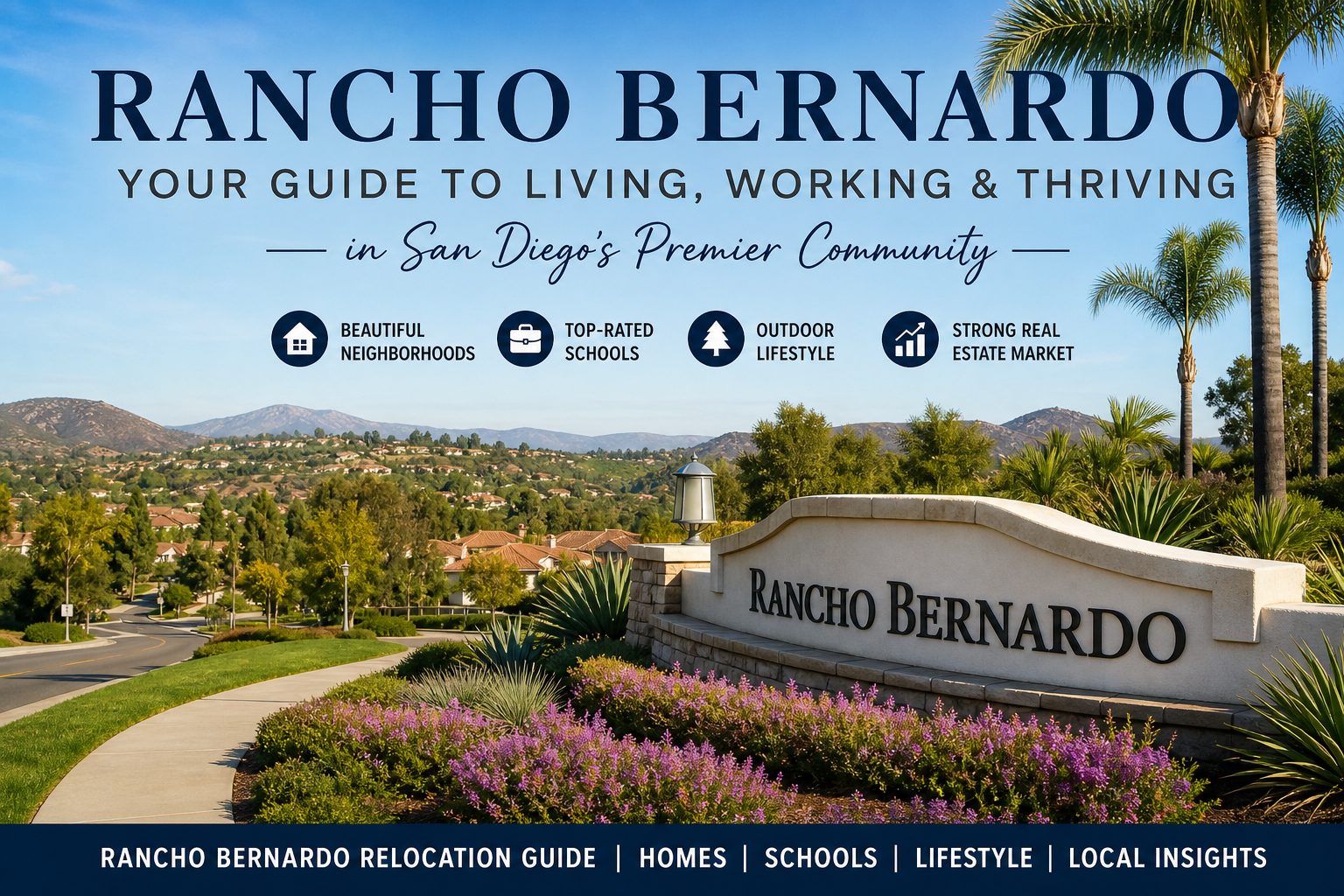
How do I sell my home in Rancho Bernardo, San Diego, and buy a new home in another state at the same time in 2026 without ending up homeless between closings?
You coordinate both transactions using a combination of rent-back agreements, bridge financing, or a HELOC so the timing overlaps and you move once, not twice. The right strategy depends on your equity, your destination market, and how quickly Rancho Bernardo homes are moving.
Why This Matters for Rancho Bernardo Homeowners Right Now
If you’re a homeowner in Rancho Bernardo thinking about relocating out of state in 2026, the timing question is probably keeping you up at night. I get it. After 16 years helping San Diego homeowners navigate exactly this kind of transition, I can tell you the fear of being “between homes” is the number one concern I hear from relocating sellers.
Here’s the good news: Rancho Bernardo remains a seller’s market. The Market Action Index has been climbing for several weeks, and home sales continue to outstrip supply. That leverage gives you options that sellers in softer markets simply don’t have.
The less comfortable truth? With 30-year fixed mortgage rates averaging around 6.48% per Freddie Mac, you’re likely sitting on a rate in the 3% to 4% range from a few years ago. That makes the math feel painful. But if the move is happening regardless, the question shifts from “should I?” to “how do I do this without the chaos?”
Let me walk you through the playbook.
Strategy 1: Sell Your Rancho Bernardo Home with a Rent-Back Agreement
This is the approach I recommend most often for relocating homeowners, and it works especially well in Rancho Bernardo’s current market conditions.
Here’s how it plays out. You list your home, accept an offer, close the sale, and then stay in the home as a tenant for 30 to 60 days while you finalize your out-of-state purchase. You pay the buyer a daily rate, typically calculated from their new mortgage payment divided by 30.
Why does this work so well in Rancho Bernardo right now? Single-family inventory in San Diego sits at roughly 1.9 months of supply, and the median time on market countywide is just 18 days. Buyers competing for well-priced homes in the 92127 and 92128 ZIP codes are often willing to accommodate a rent-back because the alternative is losing the house to another offer.
One family I worked with in Rancho Bernardo was relocating to Texas for a corporate transfer. We listed their home near Bernardo Heights Middle School, had multiple offers within two weeks, and negotiated a 45-day rent-back into the strongest offer. That gave them enough runway to close on their new home in Austin and move once, with zero gap. Their biggest fear, sleeping in a hotel with two kids and a dog, never materialized.
The key detail to watch: some lenders cap rent-back periods at 60 days before reclassifying the property as an investment for the buyer. VA and FHA loans can have even stricter occupancy timelines. I always verify the buyer’s loan type before we finalize rent-back terms.
Strategy 2: Bridge Loans and HELOCs for Rancho Bernardo Sellers
If you want to buy your new home first and then sell your Rancho Bernardo property vacant (which often helps it show better and sell faster), you need access to capital before your sale closes.
Bridge Loan Basics
A bridge loan is short-term financing, usually 6 to 12 months, secured against the equity in your current home. For a typical Rancho Bernardo homeowner with a property valued around $999,000 to $1,100,000 and a remaining mortgage in the $300,000 to $500,000 range, you could potentially access $500,000 to $700,000 in bridge funds.
The trade-off? Bridge loan rates typically run 2% to 4% above prime, putting them in the 8.5% to 10.5% range, plus origination fees of 1.5% to 3%. It’s expensive money. But for a homeowner who needs to start a new job in another state on a specific date, the cost of a bridge loan often pales in comparison to the cost of carrying two homes for months.
HELOC Alternative
A home equity line of credit can accomplish a similar goal at a lower cost. Current HELOC rates tend to be variable, running around prime plus 0.5% to 2%. The critical detail: you need to open the HELOC before you list your home. Lenders won’t approve a HELOC on a property that’s already on the market.
What I tell my clients is this: if you’re even considering a relocation 6 to 12 months out, open the HELOC now. Having that line of credit available gives you flexibility you can’t get once the listing goes live.
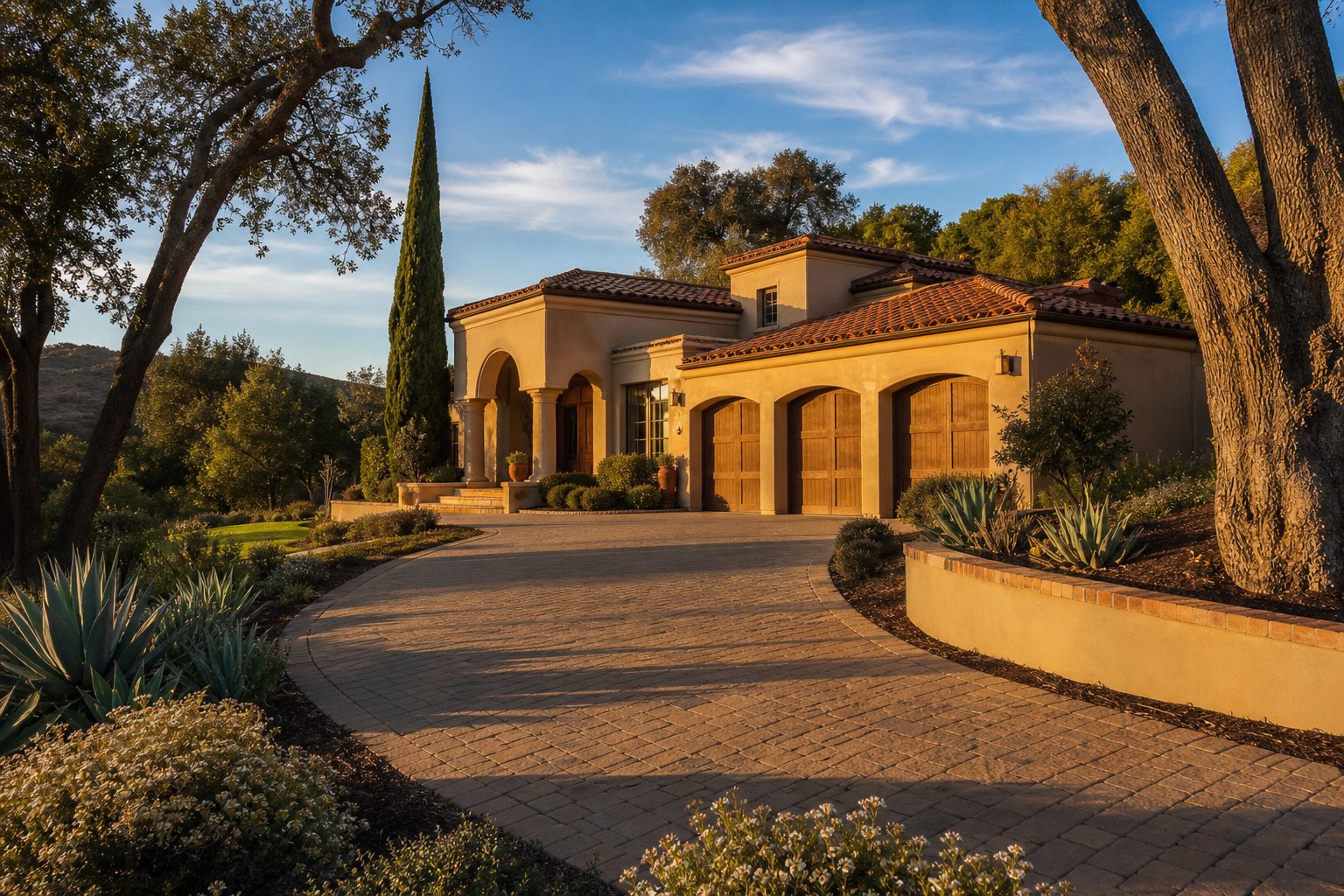
Strategy 3: Coordinating a Simultaneous Close from San Diego
So can both transactions close on the same day? Yes, but it requires precise coordination between your San Diego agent, your out-of-state agent, both title or escrow companies, and both lenders.
Here’s what makes this realistic in 2026: nationally, housing inventory has climbed to about 4.5 months of supply, which means your destination market likely has more homes available and sellers who are more patient with timing contingencies. You may be able to submit a contingent offer in your destination state (contingent on the sale of your Rancho Bernardo home) and have it accepted.
A couple I recently helped was moving to another state before relocating. We listed their San Diego home first, got it under contract within 12 days, and then they submitted their offer in Raleigh contingent on their San Diego closing. Because Raleigh had more inventory and less competition, the seller accepted. We coordinated both closings within 48 hours of each other. They flew out, signed papers, got their keys, and never spent a single night displaced.
The honest caveat: simultaneous closings involve more moving parts, more people, and more things that can go sideways. Having closed over 275 transactions across San Diego, I’ve learned that the success of a coordinated close comes down to communication between the two real estate teams. If either side goes quiet, timelines drift. I stay in direct contact with the out-of-state agent throughout escrow.
The Financial Reality of Relocating from Rancho Bernardo in 2026
Before you commit to a strategy, let’s talk numbers.
Your equity position matters most. If you purchased your Rancho Bernardo home before 2020, you likely have $300,000 to $600,000 or more in equity. Under IRS Section 121, you can exclude up to $250,000 (single) or $500,000 (married filing jointly) of capital gains if you’ve lived in the home for at least two of the past five years. For many Rancho Bernardo sellers, this means a tax-free windfall that funds the entire down payment on your next home.
The carrying cost of two homes is real. Every extra week that you own both properties typically costs $5,500 to $7,000 per month for a home in the million-dollar range when you factor in mortgage, taxes, insurance, and utilities. That’s why I push hard to keep the gap as short as possible.
Your destination market likely has a lower conforming loan limit. San Diego County’s 2026 conforming limit is $1,104,000. If you’re moving to Texas, Tennessee, or the Carolinas, the limit may be lower, but your purchase price will likely be lower too, which means financing can actually be simpler on the other end.
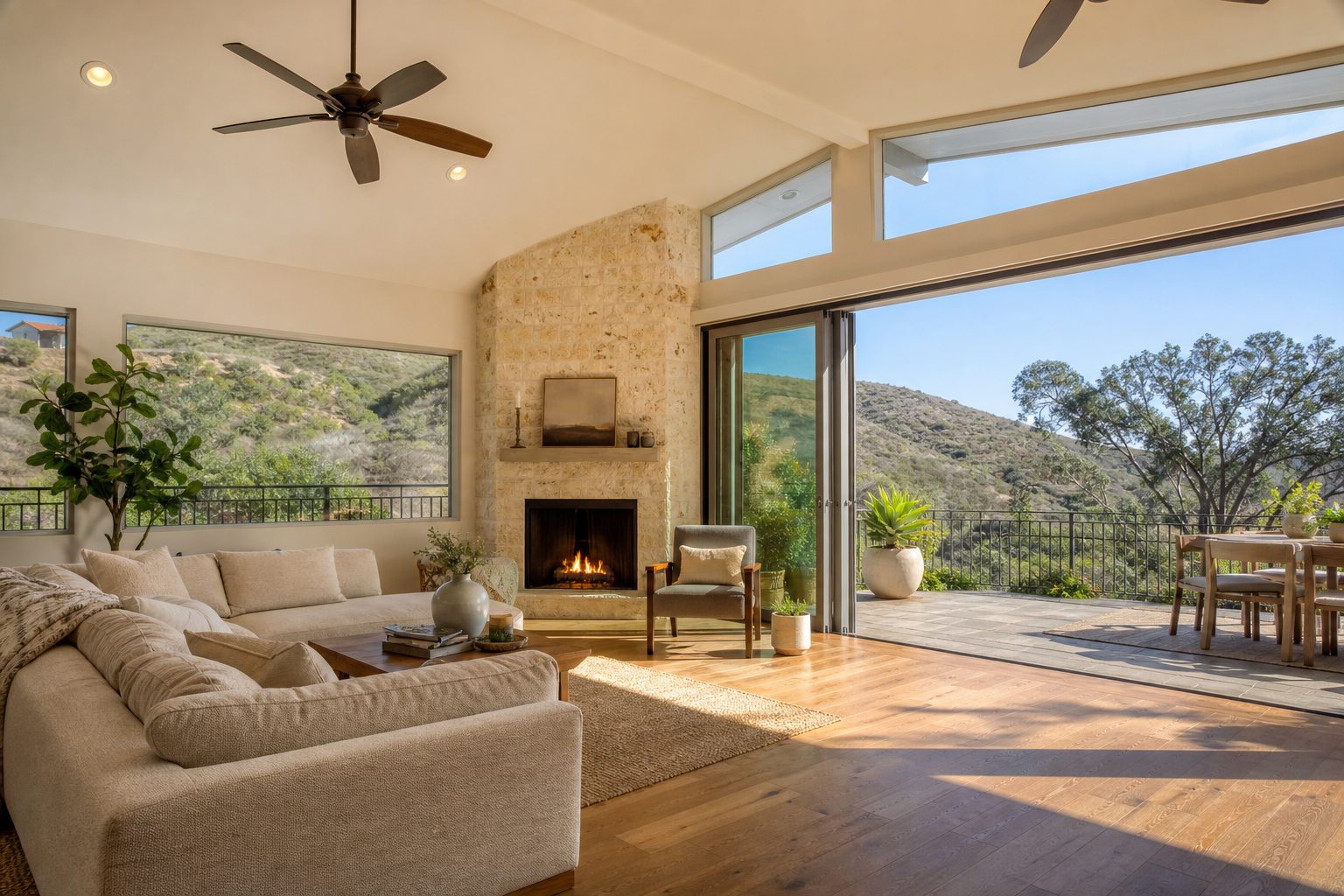
How to Choose the Right Relocation Strategy for Your San Diego Move
Not every strategy fits every situation. Here’s how I help clients decide:
- You have time and flexibility? Sell first with a rent-back. It’s the cleanest, cheapest, and least risky approach.
- Your employer needs you there by a specific date? Bridge loan or HELOC to buy first, then sell your Rancho Bernardo home vacant.
- Your destination market has ample inventory? A contingent offer with a coordinated close can work beautifully.
- You have substantial cash reserves? You may be able to buy first without any bridge financing at all, then sell at your own pace.
What I always tell my clients: a cloudy mind can’t make decisions. So before we pick a strategy, I want you to have clean information, realistic timelines, and a calm plan you can feel confident about. With 180 five-star client reviews and a track record in the top 1% of San Diego agents, my role is to remove the guesswork so you can focus on the exciting part of your move.
Frequently Asked Questions About Selling in Rancho Bernardo and Buying Out of State
How long does it take to sell a home in Rancho Bernardo in 2026?
The median time on market in San Diego County is 18 days as of mid-2026. Rancho Bernardo’s seller’s market conditions mean well-priced, well-prepared homes tend to go under contract quickly. From listing to closing, expect 45 to 55 days total including the standard 30-day escrow period.
What is a rent-back agreement and how long can I stay?
A rent-back lets you remain in your home after selling it, typically for 30 to 60 days. You pay the buyer a daily rate based on their new mortgage costs. Most conventional lenders cap this at 60 days before the property could be reclassified. I negotiate these terms into the purchase agreement during the offer stage.
Can I use my San Diego home equity to buy out of state before selling?
Yes, through a bridge loan or HELOC. A HELOC is generally less expensive but must be opened before you list your home. Bridge loans can be arranged during the sale process. Both options let you access your Rancho Bernardo equity for a down payment on your next home.
What are Rancho Bernardo homes worth in 2026?
The 92128 ZIP code shows a median list price around $999,000 with an average of $727 per square foot. The 92127 ZIP, which includes parts of 4S Ranch and higher-end Rancho Bernardo properties, skews higher. Your specific value depends on your sub-neighborhood, lot size, and condition.
Do I need an agent in both states?
Yes. California real estate law and customs differ significantly from other states. You need a local expert on each side. I coordinate directly with your out-of-state agent to align timelines, share inspection and closing schedules, and prevent costly miscommunications.
Will I owe capital gains tax when I sell?
Most Rancho Bernardo homeowners qualify for the IRS Section 121 exclusion: up to $250,000 for single filers or $500,000 for married couples filing jointly. You need to have lived in the home for at least two of the past five years. Consult your tax advisor for your specific situation.
How do I handle inspections and repairs remotely on my out-of-state purchase?
Your out-of-state agent should attend inspections on your behalf and provide video walkthroughs. I help my clients build a checklist of questions to ask the inspector and review the reports together to flag anything concerning before you commit.
What if my Rancho Bernardo buyer’s financing falls through?
This is why buyer qualification matters. I vet every offer for lender strength, proof of funds, and realistic timelines. If a deal does fall through, we relist immediately. In a market with 1.9 months of supply, backup buyers are typically available.
Should I stage my Rancho Bernardo home if I’m already living there?
Yes, or at least do a partial stage with your existing furniture. Homes that show well in Rancho Bernardo sell faster and for more money, which directly reduces your risk of a timing gap. I maintain a vetted network of stagers who specialize in occupied homes.
What happens if both closings don’t align perfectly?
This is where preparation saves you. I build a 7-to-10-day buffer into every relocation plan. If your San Diego closing is on the 1st and your out-of-state closing is on the 8th, we arrange temporary housing, storage, or an extended rent-back to cover the gap. The goal is always to move once.
The Bottom Line
Selling your Rancho Bernardo home and buying out of state in 2026 does not have to mean living out of a suitcase. With the right strategy, whether it’s a rent-back agreement, bridge financing, a HELOC, or a coordinated close, you can transition smoothly with one move and zero nights of panic.
The key is starting the planning early, understanding your equity position, and working with someone who has done this many times before. I’m Scott Cheng, Associate Broker with REAL Brokerage, and I work out of 16516 Bernardo Center Dr., Suite 300, right here in Rancho Bernardo. If you’re thinking about a relocation in 2026, give me a call at 858-405-0002. Let’s build you a calm, clear plan so you can move forward with confidence.
Have Questions About San Diego Real Estate?
Scott Cheng provides free, no-obligation consultations for buyers, sellers, and investors.
Schedule a Consultation