

Rising Property Values in San Diego: What Rental Investors Need to Know
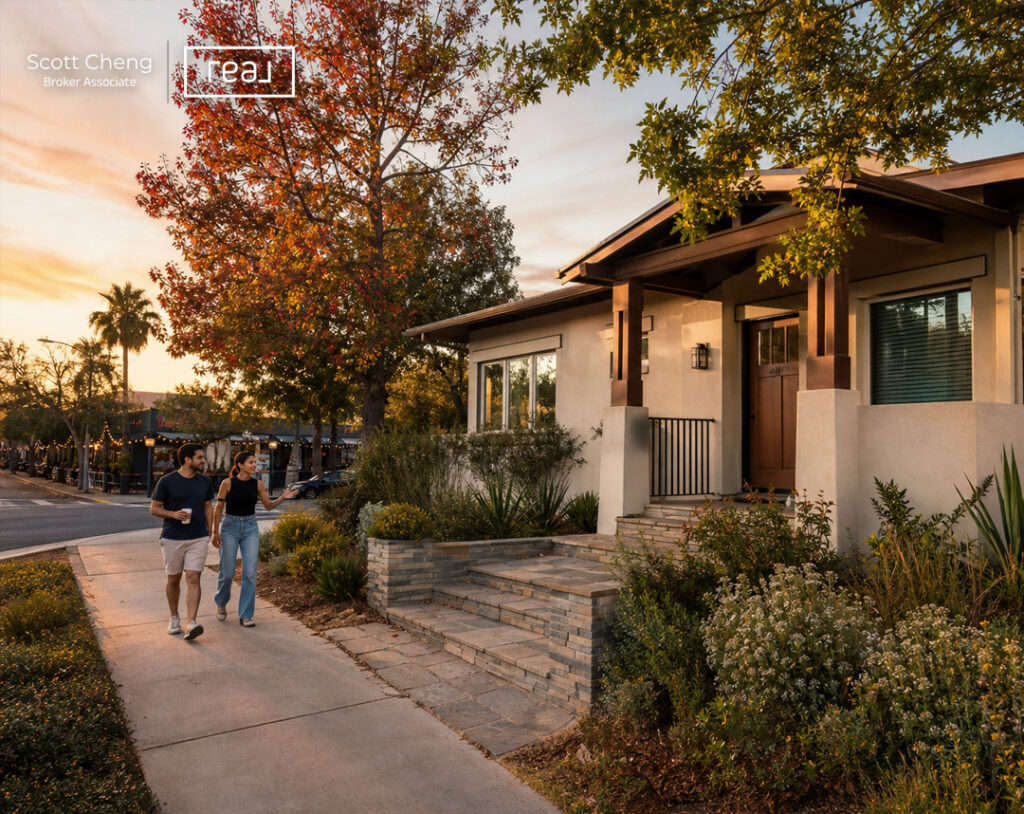
With San Diego County’s taxable land value hitting a record $845 billion, how should rental property investors think about rising values across San Diego neighborhoods?
[SNIPPET ANSWER: San Diego County’s taxable land value has climbed for 14 consecutive years to $845 billion, generating $8.1 billion in property tax revenue. For rental investors, this signals sustained equity growth, but your returns depend heavily on which San Diego neighborhood you buy into.]
Why San Diego’s Rising Property Values Matter for Rental Investors Right Now
Here’s the headline that should get your attention: San Diego County’s Assessor-Recorder-County Clerk’s office recently confirmed that taxable land value has increased for the 14th consecutive year, reaching a record-breaking $845 billion. That figure is projected to generate approximately $8.1 billion in property tax revenue.
Fourteen years of unbroken growth. That’s not a hot streak. That’s a structural trend.
What I tell my clients who invest in rental properties is simple: a cloudy mind can’t make decisions. So let me give you the clean picture. In April 2026, single-family homes across San Diego County hit a median price of $1,074,000, a 5.8% year-over-year increase. The county recorded a 14.8% jump in sales volume compared to the previous year. And active inventory has shifted up roughly 24% year over year, which means you actually have options right now that you didn’t have 12 months ago.
If you’ve been watching this market from the sidelines, the numbers are telling you something worth listening to.
How 14 Consecutive Years of Appreciation Shape Your San Diego Investment Strategy
So what does that record $845 billion in taxable land value actually mean for your portfolio? Let me break it down.
Sustained appreciation creates two things rental investors care about most: growing equity and rising rental demand. As property values climb, the pool of would-be buyers who can’t afford to purchase gets larger, and those people become your tenants. According to U.S. Census data, San Diego’s homeownership rate currently sits at just 54.8%, below the statewide average. That means nearly half the county rents.
I recently worked with an investor who was evaluating a duplex near University Avenue in North Park. His initial instinct was to wait for a correction. But when we mapped out 14 years of consecutive appreciation alongside North Park‘s 12.2% year-over-year price jump through early 2026, and the fact that 71% of North Park households are renter-occupied, the picture became clear. Waiting wasn’t saving money; it was costing equity. He closed within three weeks.
The data supports this: even modest 2-4% annual appreciation on a $900,000 property translates to $18,000 to $36,000 in equity growth per year, before you factor in rental income. That’s the kind of math that compounds in your favor over a 10-year hold.
Which San Diego Neighborhoods Offer the Strongest Returns for Rental Investors
San Diego is not one market. It’s dozens of micro-markets, and your returns as a rental investor will vary enormously depending on where you buy. Having closed over 275 transactions across San Diego County over my 16 years in this business, I can tell you the difference between a strong rental investment and a mediocre one often comes down to a few zip codes.
North Park: High Demand, High Walkability, Strong Renter Pool
North Park is one of the most compelling rental investment neighborhoods in San Diego right now. Single-family homes here sit around $1.05 million, with condos and townhomes starting near $600,000. The renter-occupied rate of 71% means built-in tenant demand. A walkability score of 89 out of 100 and proximity to 30th Street’s legendary restaurant row (think Polite Provisions, Eclipse Chocolate Bar & Bistro) keep this area attractive to the young professionals and creative types who make reliable, long-term renters.
Hot homes in North Park sell for about 1% above list price and go pending in around 10 days. If you’re targeting this neighborhood, you need to move with a clear plan.
Inland San Diego: Where Cash Flow Meets Appreciation
For investors who prioritize cash flow alongside appreciation, inland neighborhoods like Clairemont, Oceanside, and Santee continue to offer larger floor plans at more competitive price points. These areas attract renters who prioritize space, affordability, and freeway access over ocean views. Mortgage rates have dropped to around 6.33% from 6.73% a year ago, which helps your financing math considerably on these mid-range properties.
Mission Hills: Premium Rents, Premium Entry
Mission Hills commands a median of approximately $2,072,000, which pushes it into a different investor profile. But the sub-neighborhoods (Presidio, North Mission Hills, South Mission Hills along Washington Street and India Street) attract high-income tenants willing to pay premium rents for canyon views and Craftsman architecture. If your strategy is long-term equity play with lower cap rates, this is a neighborhood worth studying.
How Rising Property Taxes in San Diego Affect Your Rental Cash Flow
Here’s something many investors overlook. That record $845 billion in taxable land value doesn’t just represent appreciation; it also means higher property tax bills. The projected $8.1 billion in property tax revenue flows directly from assessed values, and as your property’s assessed value climbs, so does your annual tax obligation.
What does this mean practically? You need to build property tax escalation into your pro forma. In California, Proposition 13 limits annual assessed value increases to 2% for existing owners, which protects you from dramatic year-over-year jumps. But if you’re purchasing today at current market values, your initial tax basis will be higher than what the previous owner was paying.
One investor I advised last year was comparing two properties, one in Scripps Ranch and one in Rancho Bernardo. The Scripps Ranch home had a lower sticker price but a significantly higher tax basis because it had changed hands recently. The Rancho Bernardo property, still held by a long-term owner, carried a much lower assessed value. After we ran the numbers on both, including projected tax obligations and rental comps, the Rancho Bernardo property delivered stronger year-one cash flow despite a slightly higher purchase price. Clean information, realistic options, calm plan. That’s how good decisions get made.
Why ADU Potential Makes San Diego Rental Investments Even More Attractive
Accessory Dwelling Units have become a primary demand driver across San Diego. As a real estate broker in San Diego, I’ve watched this trend accelerate dramatically. Buyers are actively seeking properties that either already have ADUs or sit on lots compliant for rapid development.
For rental investors, an ADU can transform a single-income property into a dual-income asset. You’re offsetting mortgage costs, increasing total rental revenue, and adding assessable value to your property, which feeds right back into that countywide appreciation story.
The 2026 conforming loan limit for San Diego County stands at $1,104,000, the highest ever. That expanded ceiling means more investors can finance properties with ADU potential using conventional loans rather than jumping to jumbo products with stricter terms. This is a meaningful shift in accessibility.
What the 2026 San Diego Market Forecast Means for Your Next Purchase
Forecasts for 2026 point to continued, moderate appreciation. Local projections range from 2% to 4% countywide, with coastal luxury submarkets potentially reaching 3-5%. A separate national forecast projects a more conservative 1.2% increase for the metro area.
What I find more useful than any single forecast is the convergence of structural factors: persistent housing shortage, a strong local economy anchored by tech, biotech, and healthcare, declining mortgage rates (down 45 basis points year over year), and a desirable coastal lifestyle that keeps San Diego at the top of relocation lists. Residential construction starts remained flat in 2025, which means no supply cavalry is coming to cool prices.
Year-to-date pending sales through May 2026 are running 5.0% ahead of the same period in 2025, with 10,200 transactions logged. That’s not a speculative frenzy. That’s healthy, sustained demand. For rental investors, this environment supports both appreciation and stable occupancy.
Frequently Asked Questions
Is San Diego a good market for rental property investment in 2026?
San Diego’s 14 consecutive years of rising taxable land values, a homeownership rate of just 54.8%, and median single-family home prices at $1,074,000 all point to strong rental demand and appreciation potential. The structural undersupply of housing keeps vacancy rates low and supports consistent rental income across most neighborhoods.
How much has San Diego property value increased recently?
Single-family homes reached a median of $1,074,000 in April 2026, reflecting a 5.8% year-over-year increase. The county’s total taxable land value hit a record $845 billion, marking the 14th consecutive annual increase. North Park specifically saw a 12.2% jump in home prices year over year.
What San Diego neighborhoods are most popular with renters?
North Park stands out with 71% renter-occupied households, a walkability score of 89 out of 100, and proximity to over 100 restaurants and cafes. Clairemont, Oceanside, and areas east of Interstate 5 also attract strong renter demand from tenants prioritizing space and freeway access over ocean proximity.
How do rising property taxes affect rental investment returns in San Diego?
The record $845 billion in assessed value generates approximately $8.1 billion in property tax revenue countywide. California’s Proposition 13 caps annual assessment increases at 2% for existing owners, but new purchases are taxed at current market value. You should factor this higher initial tax basis into your cash flow projections.
What are current mortgage rates for San Diego investment properties?
The average 30-year fixed rate in April 2026 was approximately 6.33%, down from 6.73% a year earlier. Investment property rates typically run 0.25% to 0.75% higher than primary residence rates. The 2026 conforming loan limit of $1,104,000 expands conventional financing options for most San Diego purchases.
Should I buy a condo or single-family home as a rental investment in San Diego?
Condos and townhomes carry a median of $675,000 compared to $1,099,500 for detached homes, offering a lower entry point. However, HOA fees reduce cash flow, and condo appreciation has slightly underperformed, dipping 1.5% year over year. Single-family homes with ADU potential often deliver stronger total returns.
What is an ADU and why does it matter for San Diego rental investors?
An Accessory Dwelling Unit is a secondary living space on a single-family lot. In San Diego, ADUs let you generate dual rental income from one property, offset mortgage costs, and increase your property’s assessed value. Many investors specifically seek ADU-compliant lots to maximize returns.
How long does it take to sell a home in San Diego right now?
The median time on market dropped to 21 days in April 2026, down from 23 days in March. In high-demand neighborhoods like North Park, hot homes go pending in approximately 10 days. This tight timeline benefits investors considering future exit strategies.
What is the conforming loan limit for San Diego County in 2026?
The 2026 conforming loan limit is $1,104,000, the highest ever set by the FHFA for San Diego County. This means more buyers, including investors, can access conventional mortgage products rather than jumbo loans, which typically carry higher rates and stricter qualification standards.
How do I evaluate whether a San Diego neighborhood will appreciate?
Look for structural supply constraints, strong renter demand, walkability, proximity to employment centers, and school quality. Areas with rising median prices, low days on market, and high renter-occupancy rates tend to outperform. Working with a real estate agent in San Diego who tracks micro-market data can help you cut through the noise.
The Bottom Line
San Diego’s 14th consecutive year of rising taxable land values, now at a record $845 billion, tells a clear story: this market rewards patient, informed investors. With median home prices at $1,074,000 for single-family homes, renter-occupied rates above 50% countywide, and mortgage rates trending lower than a year ago, the fundamentals for rental property investment remain solid.
Your success depends on picking the right neighborhood, running honest numbers on cash flow and taxes, and working with someone who knows these micro-markets inside out. With 16 years serving San Diego County, 275 closed transactions, and 180 five-star client reviews, I help investors see properties not just for what they are today, but for what they can become. If you’re ready to build a clear, calm plan for your next rental investment in San Diego, I’m Scott Cheng with Real Brokerage, and you can reach me at 858-405-0002.