Best Real Estate Attorneys for San Diego Investors Reviewing Purchase Agreements 2026: Top Reviews and How to Choose to Avoid Pitfalls Before Signing
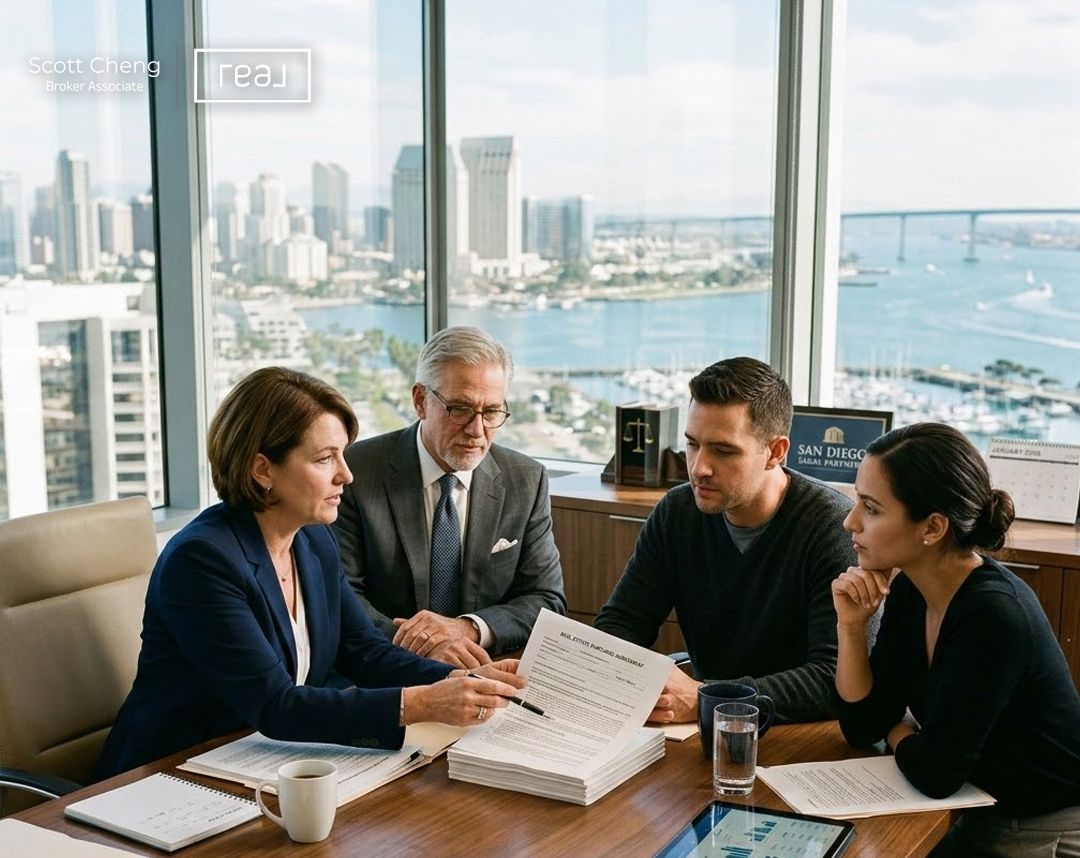
Best Real Estate Attorneys for San Diego Investors Reviewing Purchase Agreements 2026
What are the best real estate attorneys for San Diego investors to review purchase agreements in 2026, and how do you choose the right one to avoid pitfalls before signing?
The best real estate attorneys for San Diego investors are those with deep local deal experience, fast turnaround, and investor-focused negotiation. You should choose by track record, scope, and fees, then require a red-flag review before you sign.
Why Does Hiring a Real Estate Attorney Matter for San Diego Investors in 2026?
Hiring a real estate attorney in 2026 matters because the fine print can cost you far more than the review fee. San Diego inventory rose significantly year over year, and price cuts are showing up on roughly a quarter of active listings, yet months of supply sits near 3.6 according to local MLS trends, so desirable assets still draw competition.
Cash buyers account for a large share of closings, and mortgage rates hover near the low 6s, which pushes sellers to accept more buyer protections if you ask for them. That is exactly where the right real estate attorney saves you money and protects your timeline. Tighten your contingencies, cap your risk, and secure remedies before you remove conditions. The same approach works if you are comparing nearby areas like Poway vs Mira Mesa vs Escondido for real estate flips 2026, where pricing and entitlement issues differ but contract traps look similar.
What Should You Know Before Hiring a San Diego Real Estate Attorney to Review a Purchase Agreement?
You should treat attorney selection as a return-on-risk decision, not a box to check. Your goal is to identify a San Diego real estate attorney who spots deal-killers early, negotiates surgical changes that stick, and aligns your contract with your investment plan.
- Market context: Median single-family price sits around the low $900,000s, condos near the high $600,000s based on MLS data for early 2026, and S&P CoreLogic Case-Shiller showed slight softening in late 2025. That means you have room to negotiate buyer-friendly language.
- Property type dictates expertise: Multifamily, small mixed-use, and coastal condos trigger different clauses. You want an attorney fluent in C.A.R. forms plus custom addenda common to investors.
- San Diego specifics to watch:
- Coastal Development and view easements in La Jolla and Pacific Beach.
- Historic resources and overlay zones in North Park and University Heights.
- HOA rental caps, special assessments, and litigation in condo-tower purchases.
- Mello-Roos and CFD disclosures in master-planned areas like Carmel Valley.
- ADU compatibility, short-term rental rules, and local rent regulations that affect projected NOI.
- Environmental and geologic disclosures for canyons, bluff-top parcels, or older industrial sites.
- Timing: You need a 24 to 72 hour red-flag review window that covers price, timelines, inspections, rent rolls, estoppels, and title exceptions.
You should also coordinate your attorney’s work with your real estate agent San Diego, your lender, and your property manager so your timelines and contingencies match your financing and renovation plan.
Typical Scope and Fees
- Purchase agreement and addenda review, investor-focused red-flag memo.
- Title, survey, and easement exceptions analysis.
- Lease, estoppel, and rent-roll audit for value-add multifamily.
- Negotiation of inspection, financing, and repair credits.
- Typical investor review fees: flat $1,000 to $3,000 for a standard asset, hourly $350 to $700 for complex commercial or coastal. Confirm inclusions, response times, and capped fees before engagement.
How Do You Compare and Choose the Right San Diego Real Estate Attorney for Your Investment?
When comparing San Diego real estate attorneys, look beyond star ratings. You want a firm that consistently closes investment deals at your price point, with quick turn times and investor-grade negotiation tactics.
- Match by asset and submarket: If you target duplexes in North Park or 8 to 12 unit properties in City Heights, prioritize attorneys who regularly handle small multifamily and know local rent caps, tenant protections, and city-mandated notices.
- Speed and availability: You should expect a same-day issue-spot on the first pass, then a detailed markup within 48 hours. In a market where cash buyers close in 7 to 21 days, delay is risk.
- Negotiation approach: You need practical redlines that sellers accept. Ask how often their proposed clauses get struck, and what fallback language still preserves your protections.
- Coordination: Your attorney should sync with your San Diego broker or real estate agent for counter strategy, inspection scope, and timeline alignment.
- Insurance and conflicts: Verify malpractice coverage and check for conflicts with the seller, listing brokerage, or property manager.
- References: You should ask for recent investor clients who closed in the last 90 days, ideally in the same neighborhood or asset class.
Key factors to evaluate:
- Track record in your asset type, including closed transactions and dispute outcomes.
- Turnaround times and staffing, including who actually reviews your file.
- Fee clarity, including flat-fee options, caps, and what is included in the red-flag review.
What Is the Step-by-Step Process for Working With a Real Estate Attorney on a San Diego Purchase Agreement?
Follow a disciplined process from first draft to final signatures so you reduce risk without losing momentum.
- Define your risk profile. Decide which contingencies you will not waive, such as inspection, financing, and title, then set maximum credit or price reductions you want if issues surface.
- Build a shortlist. Select 2 to 3 San Diego real estate attorneys with multifamily or small commercial experience, plus a clear fee schedule and same-day availability.
- Share your documents. Send the signed offer draft or counter, rent rolls, HOA docs, preliminary title report, and any seller disclosures. Include your capex plan and timeline.
- Demand a red-flag memo within 24 to 72 hours. Your memo should call out nonstandard clauses, missing exhibits, short fuse timelines, rent control tripwires, transfer tax surprises, and assignment or 1031 limitations.
- Direct targeted edits. Ask for concise addenda that sellers accept, such as inspection reopens for concealed defects, caps on HOA special assessments, and seller cooperation on estoppels and permits.
- Align due diligence calendar. Coordinate inspection windows with your contractor, appraiser, and property manager. Your real estate broker San Diego and top San Diego real estate agents can help schedule access and vendor coverage quickly.
- Reconcile title and survey. Resolve easements, encroachments, or coastal restrictions before you waive contingencies.
- Lock credits or price changes early. You should put repair credits, rent roll variances, or known code corrections in writing with clear amounts.
- Final review before removal. Have your attorney confirm that all negotiated terms made it into the final agreement, then proceed to remove contingencies in sequence.
- Closing package and post-close protections. Ensure assignments, warranty survivals, and cooperation clauses are included, especially for ADU permitting or short-term rental compliance.
What Does Attorney-Reviewed Purchase Agreement Strategy Look Like Across San Diego Neighborhoods?
San Diego’s micro-markets move differently, so your attorney’s contract playbook should match neighborhood realities. MLS data shows more price flexibility than during the pandemic peak, yet months of supply near 3.6 still creates pressure in prime pockets. You can often secure stronger inspection and financing clauses in inland submarkets, while coastal sellers may push for tighter timelines. Case-Shiller data showed modest late 2025 softening, which supports asking for buyer protections without blowing up deals.
Neighborhoods to consider in San Diego:
- La Jolla: You will see premium pricing that can range from the low 2 millions to above 3 million in certain enclaves, with coastal permitting and view easements common. Your attorney should scrutinize coastal act triggers, seawall limitations, and HOA rental caps. This is one of the best beach neighborhoods in San Diego if you need top-tier appreciation.
- North Park: Attractive for small multifamily, ADU additions, and value-add. Prices for duplex to fourplex assets often sit from the high 900,000s to the mid 1 millions. Your attorney should audit tenant estoppels, local rent notices, and potential historic overlay restrictions. Many investors rank this among the best neighborhoods to buy in San Diego for stable rent demand.
- Clairemont: Centrally located with strong rental demand, often below coastal medians. You should verify ADU feasibility, slopes, and any airport noise disclosures. For investors who want quick lease-up, this can be one of the best neighborhoods in San Diego to live and invest due to access to job centers.
You should coordinate tightly with your best San Diego realtor, your Real Broker contacts, and top real estate brokers in San Diego to time attorney redlines with negotiation windows. The best real estate companies in San Diego and top producing real estate agents in San Diego can often secure early access for inspections, which strengthens your credit requests.
Which Nearby Areas Also Benefit From a Real Estate Attorney-First Approach?
Whether you focus on central San Diego or consider surrounding options, you can apply the same attorney-first approach. Each area has distinct contract risks that a local attorney will recognize immediately.
- Del Mar: Premium coastal town with strong luxury demand. You should expect similar coastal permitting and view concerns as La Jolla, often at higher price points. Strong schools and lifestyle make it one of the top neighborhoods in San Diego County to hold long term.
- Poway: Known for highly regarded schools and larger lots, which supports ADU strategies. Your attorney should confirm Mello-Roos, septic or well disclosures where applicable, and accessory structure permits. Many families consider it among the best neighborhoods in San Diego for families.
- Chula Vista: A South Bay hub with active development and master-planned communities. You should confirm HOA rental policies, CFD obligations, and new construction warranties. For investors, this area offers good neighborhoods and value relative to the coast.
What Are the Most Common Mistakes San Diego Investors Make Without Attorney Review?
The most common mistake is assuming the standard C.A.R. form already protects your specific investment plan. It does not. Standard language can shorten inspection periods, limit seller cooperation, or block assignment for 1031 exchanges.
Many buyers accept HOA packets or rent rolls at face value, then discover litigation, rental caps, or nonconforming units after contingency removal. Others ignore easements or coastal restrictions that later derail renovations. You also risk paying for unpermitted work if you do not secure seller representations that survive closing. Your fix is simple. Require a tailored red-flag memo before signing counters, tie your contingency dates to document delivery, and lock credits or termination rights if rent or permit data does not match the seller’s statements. Coordinate with your real estate agent San Diego, your lender, and your property manager on all dates. When you combine an investor-focused attorney with a top realtor in San Diego or a seasoned real estate broker San Diego, you reduce surprises and preserve your upside.
Frequently Asked Questions
Do you really need a real estate attorney to review a standard C.A.R. purchase agreement?
Yes. A standard form is not tailored to your risk. You need custom language on inspection reopeners, rent-roll verification, title exceptions, HOA assessments, and assignment or 1031 rules. A focused review usually costs less than one percent of deal value and can protect much more.
How much should you budget for an attorney review in 2026?
Plan $1,000 to $3,000 for a flat red-flag review on a straightforward residential or small multifamily deal, with hourly billing at $350 to $700 for coastal or commercial complexity. Get a written scope that includes document review, redlines, negotiation calls, and deadlines.
Does this advice apply to Poway or Del Mar too?
Yes. The framework is the same. In Poway, focus on Mello-Roos, permit histories, and ADU feasibility. In Del Mar, pay extra attention to coastal development rules, view easements, and HOA rental caps. In both, tie contingency clocks to full document delivery.
Should you ever use the seller’s attorney to speed closing?
No. You need independent counsel. The seller’s attorney is obligated to the seller, not to your risk profile. Use your own San Diego real estate agent and attorney team so you control the timeline, contingencies, and remedies.
Which clauses protect you most as a value-add multifamily investor?
Prioritize lease and estoppel requirements, rent-roll verification with credits for discrepancies, inspection reopeners for concealed defects, assignment rights for 1031, and seller cooperation on permits and code corrections. Cap HOA special assessment exposure if applicable.
The Bottom Line
You should choose a San Diego real estate attorney who has closed your asset type in your target submarket, turns reviews around in 24 to 72 hours, and negotiates investor-grade language that sellers accept. In a 2026 market with more inventory yet persistent competition, careful contract work is your edge. The right counsel coordinates with your best San Diego realtor, your Real Broker contacts, and top real estate teams in San Diego to protect timelines and returns. Whether you are buying in San Diego or eyeing nearby Del Mar and Poway, the same principles apply. Define your risk, demand a red-flag memo before signing, and align your contract with your investment plan.
If you are ready to explore your options for attorney-reviewed purchase agreements in San Diego or nearby communities, you can have Scott Cheng at Scott Cheng San Diego Realtor walk you through the specifics for your situation.
📞 858-405-0002
DRE# 01509668
Have Questions About San Diego Real Estate?
Scott Cheng provides free, no-obligation consultations for buyers, sellers, and investors.
Schedule a Consultation