

Class A vs Class B Multifamily Properties for San Diego Investors 2026: Your Guide
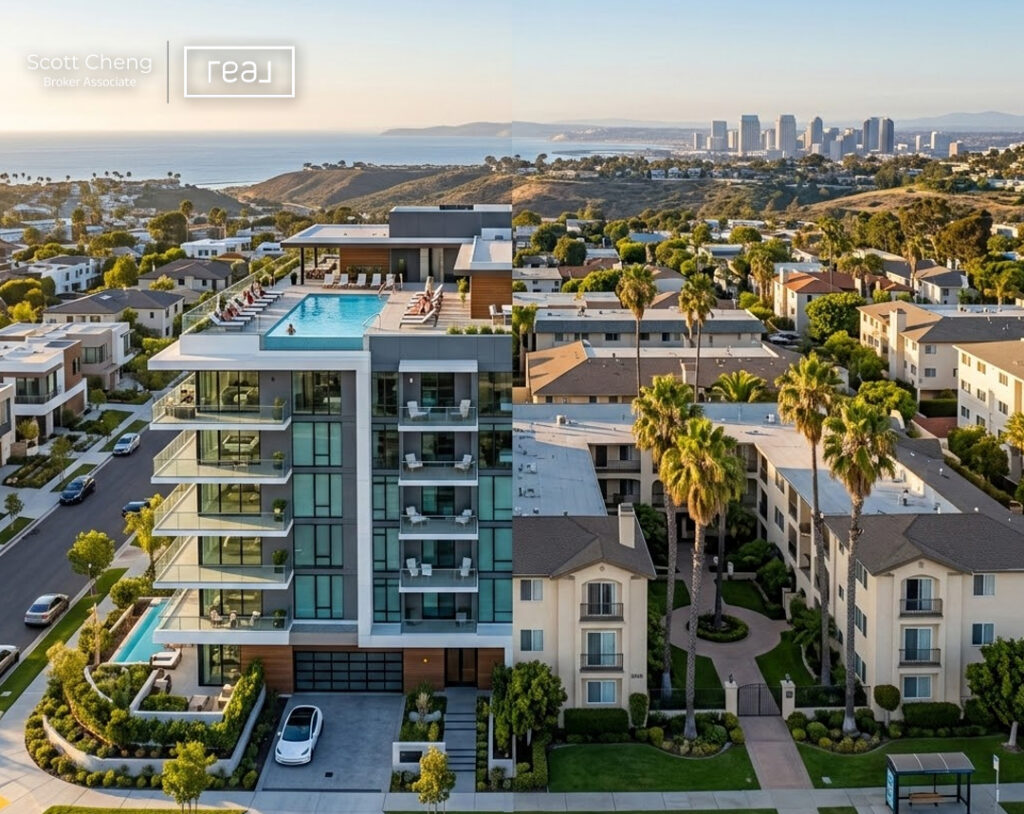
Class A vs Class B Multifamily Properties for San Diego Investors 2026: Your Guide
Class B delivers higher cash flow today, while renovated B+ and select Class A in prime coastal and transit cores hold the strongest appreciation upside as quality supply tightens. Choose Class B for 6.0–7.5% caps and Class A for stability and rent durability.
Why Does This San Diego Multifamily Market Moment Matter Right Now?
You are investing at a rare moment. Inventory jumped roughly 66% year over year, about 26% of active listings have cut prices, and yet countywide supply is still only about 3.6 months. That mix gives you negotiating power without eliminating long run tailwinds. Mortgage rates stabilized near the low 6s, and rent growth flattened, which is pressuring underwriting and widening the performance gap between Class A and Class B multifamily. The twist in 2026 is a pipeline that favors luxury and infill deliveries, while permitting and financing constraints point to fewer quality units coming online later. Your timing could lock in stronger cash flow and set you up for appreciation before the market pivots back toward scarce, quality assets. This guidance applies whether you focus on central San Diego or also consider nearby areas like Pacific Beach and Chula Vista, where tenant profiles and yield targets differ but the decision framework remains the same.
What Do You Need to Know Before Choosing Class A or Class B in San Diego?
You should define Class A and Class B by age, finish level, amenities, and location quality rather than just a year built. In San Diego, Class A typically means newer construction in premium nodes with strong walkability and transit access. Class B generally means well-located 1970s–1990s buildings with functional layouts and value-add potential.
- Cash flow profile:
– Class A cap rates typically 4.5–5.5%.
– Class B cap rates typically 6.0–7.5%.
- Rent benchmarks:
– Class A one-bed units often achieve about $2,200–$2,800 monthly.
– Class B one-bed units often achieve about $1,700–$2,200 monthly.
- Operating context:
– County vacancy around the mid 5% range.
– Concessions appear in select Class A lease-ups where 2025 deliveries topped 15,000 units countywide, with a sizable share affordable or mixed-income.
- Macro support:
– Local MLS and S&P CoreLogic Case-Shiller data show recent cooling from the peak, though prices remain above pre-2020 norms.
- Capital markets:
– Typical multifamily financing in 2026 runs near 5.9–6.5% fixed for stabilized assets, with 65–75% LTV common among banks and agency debt.
Your options include buying stabilized Class A for bond-like durability or targeting Class B where modest renovations can lift rents and compress cap rates. The key is matching your hold period to the likely timeline when inventory shifts toward quality assets, so you capture both current cash flow and the next appreciation leg.
The Quality Shift Timeline
You should plan for a 12–24 month window where new deliveries moderate and financing remains selective. In that phase, renovated B+ assets in prime micro-locations often reprice upward as tenants trade up and Class A concessions fade. If you can execute a value-add plan within that window, you can ride both cash flow today and appreciation tomorrow.
How Do You Compare Class A vs Class B Multifamily Returns in San Diego?
You should evaluate Class A and Class B through a single underwriting lens that stresses both cash flow resilience and appreciation pathways. Start with realistic rent comps, stress test vacancy to 7–8%, and model exit caps 25–50 basis points wider than entry in conservative cases. Then weigh the tradeoffs that actually decide returns in San Diego’s submarkets.
Pros of Class A:
- Lower physical risk and predictable CapEx.
- Strong tenant quality with longer stays and fewer delinquencies.
- Better financing terms and liquidity at exit.
Cons of Class A:
- Lower initial yield and tighter DSCR at today’s rates.
- Higher exposure to new supply nodes where 2025 deliveries concentrated.
- Slower cash-on-cash until rent growth reaccelerates.
Pros of Class B:
- Higher in-place yield and clearer value-add upside.
- Wider buyer pool on exit for 10–30 unit assets.
- More pricing dislocation in 2026 amid longer days on market.
Cons of Class B:
- Higher CapEx needs and potential permitting delays.
- More turnover, higher management intensity, and variable collections.
- Regulatory risk if future rent caps tighten.
Key factors to evaluate:
- CapEx and timeline: Can you complete renovations and burn off concessions before quality tightens and capital rotates back to stabilized assets?
- Submarket depth: Do you have enough qualified renters at your post-renovation price points within a one to two mile radius?
- Exit liquidity: Will your asset qualify for the widest buyer base and best financing at disposition, given unit count, vintage, and location?
What Is the Step-by-Step Process for Buying Multifamily Property in San Diego?
Follow these 10 steps to move from thesis to close on a San Diego multifamily acquisition.
1) Define your thesis. Decide if you prioritize current cash flow, appreciation, or a balanced value-add. If you need immediate income, Class B with a light rehab plan is often your best fit. If you prize durability, Class A near employers or transit cores may be better.
2) Pick submarkets. Shortlist three to five neighborhoods with clear renter demand drivers. In central San Diego, focus on walkability and transit. In coastal areas, lean on proximity to beaches and universities. In South Bay, prioritize access to I-5 and job centers.
3) Underwrite conservatively. Normalize T12 expenses, set property taxes to post-sale basis, and model management at 4–8% of collected rents. Include realistic reserves for CapEx and recognize carrying costs that can exceed $2,500 per unit monthly on heavy renovations.
4) Stress the debt. Target DSCR above 1.25 at pro forma and 1.15 at in-place, assume rates remain near the low 6s through 2026, and avoid models that only work if rates fall.
5) Define a value-add plan. Identify unit scopes that produce $150–$300 monthly rent lifts, focus on high ROI items like kitchens, baths, LVP flooring, lighting, and in-unit laundry where feasible. Plan common area upgrades that support your new rent tier.
6) Select the right capital. Compare conventional, bridge, and private money based on timeline and scope. Use bridge debt sparingly unless your business plan needs construction capital and lease-up time.
7) Lock property management. Pick firms with online portals, transparent maintenance tracking, and local staffing ratios that ensure timely turns. A strong manager can be the difference between a 6% and an 8% cash-on-cash.
8) Write a tight LOI. Address timelines, access for inspections, rent roll verification, and estoppels. Build in enough due diligence to pivot if CapEx or legal findings expand.
9) Execute diligence. Inspect roof, plumbing, electrical, foundation, pest, and environmental. Review rent rolls, bank statements, and occupancy histories. Confirm zoning and any local habitability or rent control constraints.
10) Close with a 90-day plan. Sequence unit turns in batches, push renewals to your new standard, and align marketing with your target renter profile.
What Does Class A vs Class B Multifamily Look Like Across San Diego Submarkets?
You can see the split between Class A and Class B most clearly in coastal and central nodes. Coastal micro-markets like La Jolla and Pacific Beach still command premium pricing, though absorption slowed. Central neighborhoods such as North Park and City Heights show more price cuts and longer days on market, creating fertile ground for value-add Class B.
- In the core, Class B assets benefit from walkable amenities, transit access, and strong service-sector employment. You can reposition a 10–20 unit building, lift rents by 10–15% through targeted upgrades, and still underwrite to 6.0–7.5% caps.
- In coastal cores, select Class A stabilizes with modest concessions, while long term rent durability remains strong due to lifestyle demand and limited land.
- In South Bay, workforce Class B near transit and job nodes offers higher yields, with faster lease-up when units are renovated to durable finishes.
Neighborhoods to consider in San Diego:
- North Park: Value-add Class B with strong tenant demand, 8–20 unit properties commonly in the $2–$5 million range, walkable retail and dining, close to Hillcrest and Normal Heights.
- Pacific Beach: Select Class A and B+ near beaches, premium one-bed rents near the upper local range, lifestyle appeal supports occupancy even in shoulder seasons.
- City Heights: Workforce Class B with rent lift potential after cosmetic and systems upgrades, yields above the county average, longer days on market create entry opportunities.
Nearby Areas Worth Exploring
You should also look at adjacent communities where your thesis may fit even better.
- La Mesa: East County suburb with steady renter demand, good access to the College Area and San Carlos. You often find small to mid-size B assets with manageable CapEx and attractive cash-on-cash compared with central neighborhoods.
- Chula Vista: South Bay city with strong workforce housing demand, convenient to I-5 and I-805. Class B cap rates tend to be on the higher side, and planned growth around the bayfront supports long run fundamentals.
- University City: North of La Jolla with direct trolley access to UCSD and UTC. Class A and B+ assets here benefit from education and biotech employment drivers, with resilient rents and low vacancy through cycles.
What Do Most Investors Get Wrong About Class A vs Class B Multifamily?
Most investors assume Class A always appreciates more. In reality, peak pricing and tight cap rates can mute upside if rent growth stays modest. A well-executed Class B to B+ reposition in a prime micro-location can out-appreciate Class A because you create value independent of the market cycle. Another common miss is underestimating CapEx and timelines. In San Diego, permitting for heavy scope can push turnarounds into multiple quarters, and supply chain hiccups can delay unit delivery. If you count on aggressive rent bumps without the right finishes, you risk extended vacancies. Finally, many investors underwrite exit caps too tightly. Build in a buffer of 25–50 basis points, and keep leverage moderate to protect DSCR if rates stay sticky. Your edge comes from conservative inputs, disciplined execution, and submarket specificity, not from squeezing the model.
Frequently Asked Questions
Which class delivers higher cash flow in San Diego in 2026?
Class B delivers higher cash flow in 2026. You typically see 6.0–7.5% cap rates versus 4.5–5.5% for Class A. With rates around the low 6s, Class B often produces stronger DSCR and cash-on-cash, especially when you can add $150–$300 per unit in rent through light renovations.
Where is the better appreciation upside before San Diego inventory quality tightens?
Renovated B+ assets in prime transit and coastal-adjacent micro-locations. You create value through upgrades now, then capture pricing power as concessions fade and quality units become scarce. Select Class A in irreplaceable locations also offers durable long run appreciation.
Does Class A vs Class B analysis apply to Chula Vista and La Mesa too?
Yes. In Chula Vista, you may find higher yields on workforce Class B with strong lease-up after renovations. In La Mesa, smaller B assets with manageable CapEx can post reliable cash flow. Your underwriting should reflect local rent comps, commute patterns, and school zones.
Should San Diego investors wait for interest rates to fall before buying multifamily?
Not if the deal pencils at today’s rates. Underwrite at current financing, lock favorable terms if possible, and treat any future rate relief as upside. Waiting can mean missing this buyer’s window while inventory is up and price reductions are more common.
How long should you budget for a multifamily value-add plan in San Diego?
Plan 4–8 weeks for cosmetic turns on occupied rollovers, 3–6 months for heavier common area and systems work, and longer if structural or entitlement items surface. Sequence turns to protect in-place income and build a contingency reserve for delays.
What do most investors get wrong when comparing Class A and Class B multifamily?
Most investors assume Class A always appreciates more, underestimate CapEx and timelines, and underwrite exit caps too tightly. A well-executed B-to-B+ reposition can out-appreciate Class A. Always build in a 25–50 basis point exit cap buffer and keep leverage moderate.
What is the best multifamily investment strategy for San Diego in 2026?
Class B usually wins on cash flow in 2026, while B-to-B+ repositioning in strong micro-locations can capture meaningful appreciation as quality supply tightens. Class A offers stability and long run rent durability at a lower initial yield. Decide your thesis, select submarkets with clear demand drivers, underwrite conservatively, and time renovations to complete before concessions fade.
The Bottom Line
You are choosing between yield now and durability later. In 2026 San Diego, Class B usually wins on cash flow, and B-to-B+ repositioning in strong micro-locations can capture meaningful appreciation as quality supply tightens. Class A buys you stability, better tenant quality, and long run rent durability, albeit with lower initial yield. The best approach is to decide your thesis, select submarkets with clear demand drivers, underwrite with conservative assumptions, and time your renovations to complete before concessions fade. Whether you invest in central San Diego or explore nearby Pacific Beach and Chula Vista, you can use the same decision framework to align your asset with your goals.
If you’re ready to explore your options for Class A and Class B multifamily in San Diego or nearby communities, Scott Cheng at Scott Cheng San Diego Realtor can walk you through the specifics for your situation.
📞 858-405-0002
DRE# 01509668
For a broader understanding of multifamily transaction dynamics, explore California multifamily transaction markets.