Seismic Retrofit and Structural Inspections for Mount Soledad La Jolla Estates
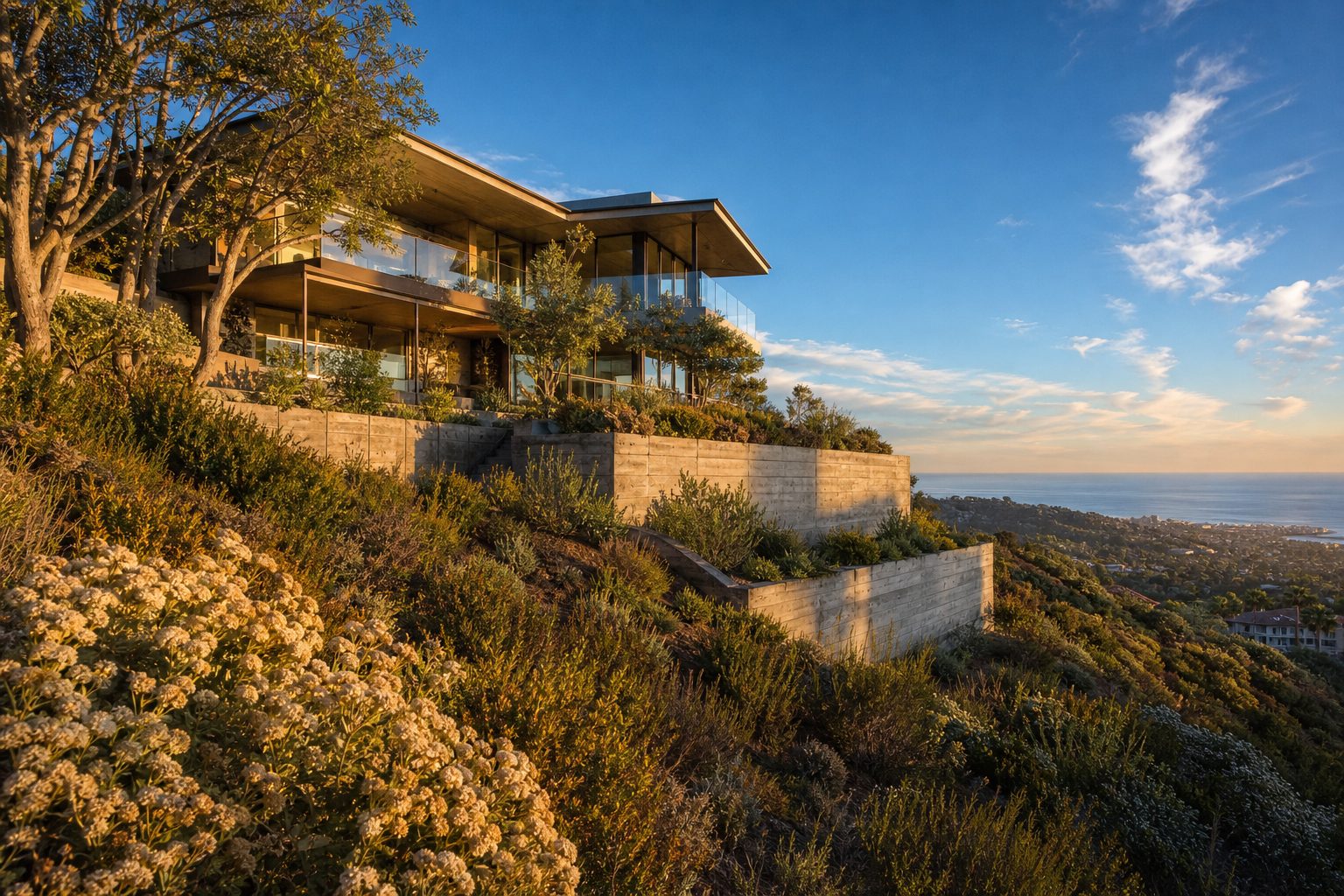
What are the real seismic retrofit and structural inspection requirements I need to understand before buying a luxury hillside estate in Mount Soledad, La Jolla, San Diego in 2026?
San Diego does not currently mandate residential seismic retrofits the way Los Angeles or San Francisco do, but hillside properties on Mount Soledad carry unique structural risks tied to slope stability, the nearby Rose Canyon Fault, and 2026 building code updates that can trigger costly upgrades during renovations.
Why Mount Soledad Seismic Risk Matters Right Now in San Diego
If you’re shopping for a hillside estate on Mount Soledad in 2026, your timing intersects with two important developments. First, the 2025 California Building Code took effect January 1, 2026, and the City of San Diego is finalizing local amendments that directly impact coastal and hillside construction. Second, AB 130 has frozen all residential building code updates until at least 2031, meaning whatever standards apply now will govern your property for the next five years.
That code freeze makes this the single most important moment to understand exactly what your obligations are. A cloudy mind can’t make decisions, and seismic risk is one area where clarity really matters.
Mount Soledad sits at La Jolla’s highest point, offering 360-degree views of the Pacific, city lights, and mountain ranges. But that elevation comes with geotechnical realities. The Rose Canyon Fault runs directly through La Jolla before turning offshore, and earthquake geologists consider it one of the most hazardous faults in Southern California. Research from the Earthquake Engineering Research Institute estimates that a 6.9-magnitude event on this fault would damage 120,000 buildings across San Diego County. There is an 18% probability of a magnitude 6.7 or greater earthquake in the next three decades.
So does that mean you should walk away from Mount Soledad? Not at all. It means you should walk in with clear information.
What San Diego Actually Requires for Seismic Retrofits in 2026
Here is the part that surprises most of my clients. Unlike San Francisco, Los Angeles, Santa Monica, and nearly 20 other California cities, San Diego does not have a mandatory seismic retrofit ordinance for residential properties. There is no city program that will show up and force you to retrofit your home simply because it was built before a certain year.
However, that does not mean you are off the hook. Several triggers still apply:
- Renovation cost thresholds. When a remodel exceeds certain percentages of the building’s assessed value (typically around 30% of the structure), local building codes can trigger mandatory seismic upgrades. For a luxury estate on Mount Soledad where renovation budgets routinely reach seven figures, this threshold is easier to hit than you might expect.
- Change of occupancy. If you’re converting any portion of the property, such as turning a detached guest house into a separate dwelling unit, you may trigger a full code compliance review.
- Seller disclosure obligations. California law requires sellers to disclose known seismic deficiencies through the Transfer Disclosure Statement (TDS) and Natural Hazard Disclosure (NHD). The NHD will flag whether the property sits in an earthquake fault zone, seismic hazard zone, or landslide zone.
One buyer I worked with fell in love with a mid-century estate near Windemere with sweeping ocean views. The NHD came back showing the property in a mapped seismic hazard zone for earthquake-induced landslides. That disclosure changed the entire negotiation strategy and ultimately saved the buyer over six figures in post-close remediation costs they would have inherited without knowing.
The Structural Inspections You Actually Need on a Mount Soledad Hillside Property
A standard home inspection is not enough for a hillside estate in San Diego. What I tell my clients is that you need a layered inspection approach, and skipping any one layer creates blind spots that can cost you.
Geotechnical Investigation
This is the foundation of everything, literally. A licensed geotechnical engineer evaluates slope stability, soil composition, drainage patterns, and the potential for landslide activity. On Mount Soledad, where homes are built on varying grades and soil types, this report can reveal whether retaining walls are adequate, whether the hillside drainage is directing water away from the foundation, and whether the slope has shifted since original construction.
Structural Engineering Assessment
A licensed structural engineer evaluates the home’s lateral force resistance, connection integrity (how the framing attaches to the foundation), and overall earthquake readiness. For coastal hillside construction, they also assess salt-air corrosion on fasteners, connectors, and flashing, which is a real factor for properties exposed to ocean wind.
Foundation-Specific Evaluation
Many Mount Soledad homes were built between the 1960s and 1990s, before modern seismic design standards. Older pier-and-grade-beam foundations may need reinforcement. Post-tensioned slab foundations that are common in newer builds handle lateral forces differently. Your structural engineer will determine what type of foundation exists and whether it meets current performance expectations.
Having closed over 275 transactions across San Diego County, I can tell you that roughly half the luxury hillside properties I have evaluated had at least one structural finding that changed the buyer’s negotiation position or renovation plan.
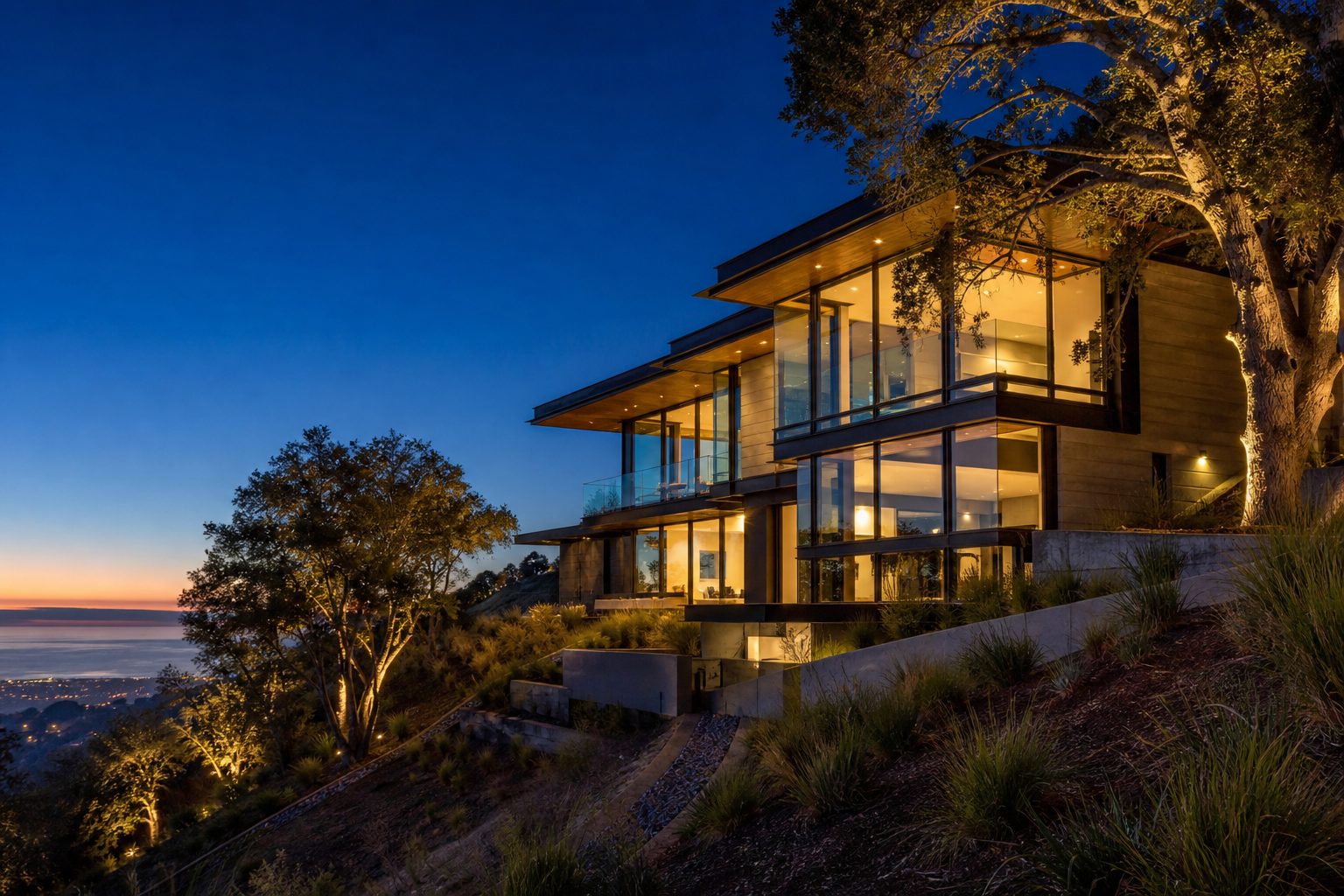
How the 2026 California Building Code Changes Affect Mount Soledad Buyers
The updated building code effective January 2026 introduces provisions that are particularly relevant if you plan any improvements to a hillside estate in La Jolla:
- Enhanced wind design provisions for oceanfront and exposed hilltop properties
- Salt-air corrosion resistance requirements specifying corrosion-resistant fasteners and connectors
- Updated weather-resistant barrier and drainage plane requirements
- Seismic design standards that structural engineers must follow for both wind uplift and lateral seismic forces
What does this mean for your renovation budget? If you are purchasing a Mount Soledad estate with plans to remodel, your architect and contractor will need to design to these updated standards. The cost differential between building to the old code and the new code can add 8 to 15 percent to structural elements alone.
One couple purchasing a home on the southeast slopes of Mount Soledad, in the Soledad South area, planned a significant kitchen and primary suite renovation. During permit review, the scope triggered a mandatory seismic upgrade because total project costs exceeded the threshold relative to the structure’s assessed value. What they thought was a cosmetic project became a structural project, adding roughly four months and a meaningful amount to their budget. Starting with a clear structural assessment before committing to the purchase gave them accurate numbers for their offer.
Earthquake Insurance and Cost Realities for La Jolla Hillside Homes
You might be wondering, can I just buy earthquake insurance and call it a day? Here is the reality.
Standard homeowner’s insurance does not cover earthquake damage. The California Earthquake Authority (CEA) offers policies, but they come with high deductibles (typically 5 to 25 percent of the dwelling coverage amount). On a home valued at $4 million, that means a deductible of $200,000 to $1 million before coverage kicks in.
With 18 years of experience helping buyers across San Diego, here is what I have seen shape the insurance conversation:
- Proactive retrofitting (foundation bolting, cripple wall bracing, retaining wall reinforcement) can reduce your CEA premium
- Geotechnical and structural reports completed before purchase give your insurance broker the documentation needed to advocate for better rates
- Wildfire risk on hillside properties adds another layer of insurance complexity, so you are often negotiating both earthquake and brush-fire coverage simultaneously
Rated 5 out of 5 stars by 275 past clients, I prioritize connecting buyers with my vetted network of inspectors, structural engineers, geotechnical consultants, and insurance specialists early in the process, not after you are already in escrow and the clock is ticking.
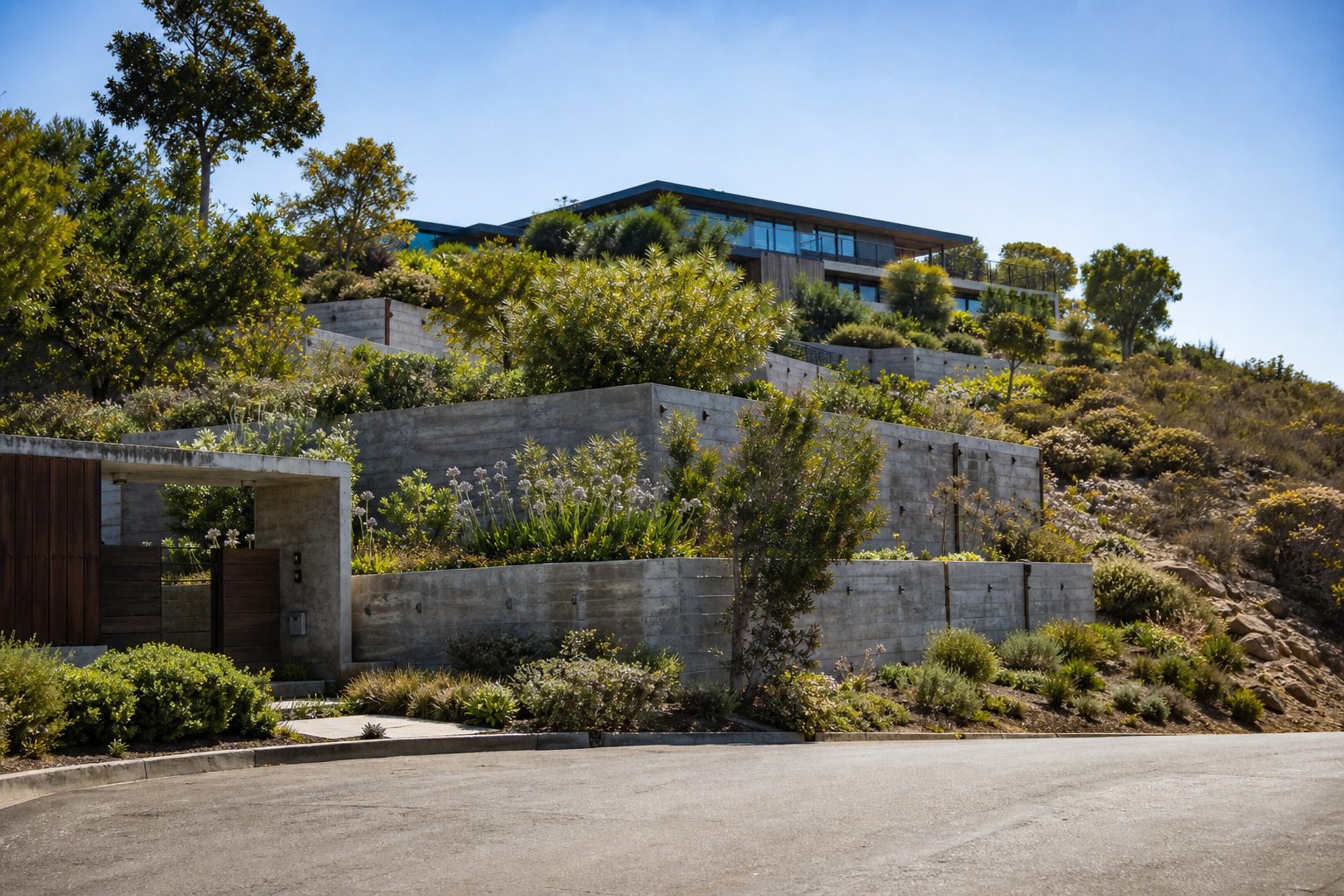
The Mount Soledad La Jolla Luxury Market in 2026
Understanding the market context helps you calibrate your expectations. La Jolla single-family homes carry a year-to-date median sale price of $3,545,011 according to 2026 SDAR data, with sellers receiving about 97.6% of their list price on average. Inventory remains tight, with only about 150 active listings across La Jolla at any given time.
In the luxury tier above $5 million, pending sales across San Diego County rose 21.8% year over year to 307 transactions on a rolling 12-month basis. Trophy homes above 6,000 square feet are the only size tier posting meaningful price gains, with median prices climbing 8.9% to $6,075,000.
Cash buyers account for roughly 78% of La Jolla luxury transactions. This means you are competing with well-capitalized buyers who can close quickly, making a thorough pre-purchase structural assessment even more valuable. Walking in with a clear understanding of seismic risk signals to sellers that you are serious, informed, and unlikely to cancel over findings you could have anticipated.
Frequently Asked Questions
Does San Diego require mandatory seismic retrofits for residential homes in 2026?
No. Unlike Los Angeles, San Francisco, and roughly 20 other California cities, San Diego does not currently have a mandatory residential seismic retrofit ordinance. However, renovations that exceed certain cost thresholds relative to the structure’s assessed value can trigger code-required seismic upgrades during the permitting process.
Is Mount Soledad in a seismic hazard zone?
All of San Diego County falls within Seismic Zone 4, the highest classification. Mount Soledad properties may also be mapped within earthquake-induced landslide hazard zones depending on their specific location on the hill. Your Natural Hazard Disclosure will identify these designations.
What is the Rose Canyon Fault and how close is it to Mount Soledad?
The Rose Canyon Fault runs directly through La Jolla before turning offshore. It is considered one of the most hazardous faults in Southern California, with an 18% probability of producing a magnitude 6.7 or greater earthquake in the next 30 years.
Do I need a geotechnical report before buying a hillside home in La Jolla?
For any hillside property on Mount Soledad, I strongly recommend a geotechnical investigation. This evaluates slope stability, drainage, soil composition, and landslide risk. It is not required by law for purchase, but it protects your investment in ways a standard home inspection cannot.
Will renovating a Mount Soledad estate trigger mandatory seismic upgrades?
It depends on the scope and cost. When structural modifications or renovation costs exceed roughly 30% of the structure’s assessed value, or when there is a change in occupancy, the City of San Diego may require the property to meet current seismic design standards during the permitting process.
What inspections should I order for a luxury hillside property in San Diego?
You should plan for a general home inspection, a geotechnical investigation, and a structural engineering assessment, and a foundation-specific evaluation. For coastal hillside properties, salt-air corrosion evaluation of fasteners and connectors is also important.
How does the 2026 California Building Code affect Mount Soledad properties?
The updated code, effective January 2026, introduces enhanced wind design provisions, salt-air corrosion resistance requirements, and updated seismic design standards. The City of San Diego is finalizing local amendments that specifically address coastal and hillside conditions.
What does the AB 130 building code freeze mean for buyers?
AB 130 froze residential building code updates, meaning the current Title 24 standards will remain in effect until at least 2031. Whatever seismic and structural requirements apply now will govern your property for the next five years.
Does earthquake insurance cover hillside landslide damage in La Jolla?
CEA earthquake insurance typically covers earthquake-induced landslide damage, but deductibles run between 5 and 25 percent of dwelling coverage. On a $4 million home, that could mean a deductible of $200,000 to $1 million. Proactive retrofit work can help reduce premiums.
Can a seismic assessment help me negotiate a better price on a Mount Soledad home?
Absolutely. Structural and geotechnical findings give you data-driven leverage in negotiations. Documented seismic deficiencies, slope stability concerns, or needed foundation work can justify price adjustments or repair credits that protect your investment.
The Bottom Line
Buying a luxury hillside estate on Mount Soledad in 2026 means accepting some seismic reality, but managing it intelligently. San Diego does not mandate residential retrofits, yet the Rose Canyon Fault, hillside slope conditions, and renovation permit triggers mean you cannot afford to skip the structural homework. The 2026 building code updates and the code freeze through 2031 make this the moment to get your assessments right.
As a Broker Associate with REAL Brokerage and 18 years helping buyers navigate San Diego’s most complex transactions, I bring a complimentary attorney review of contracts and disclosures to every deal I work, covered by me even if escrow cancels. If you are evaluating a hillside estate in Mount Soledad, La Jolla, or anywhere across San Diego County, I would welcome the chance to walk through the structural picture with you before you write an offer. Reach me at 858-405-0002.
Have Questions About San Diego Real Estate?
Scott Cheng provides free, no-obligation consultations for buyers, sellers, and investors.
Schedule a Consultation