Flood Zone and Coastal Commission Restrictions for La Jolla Waterfront Homes in 2026
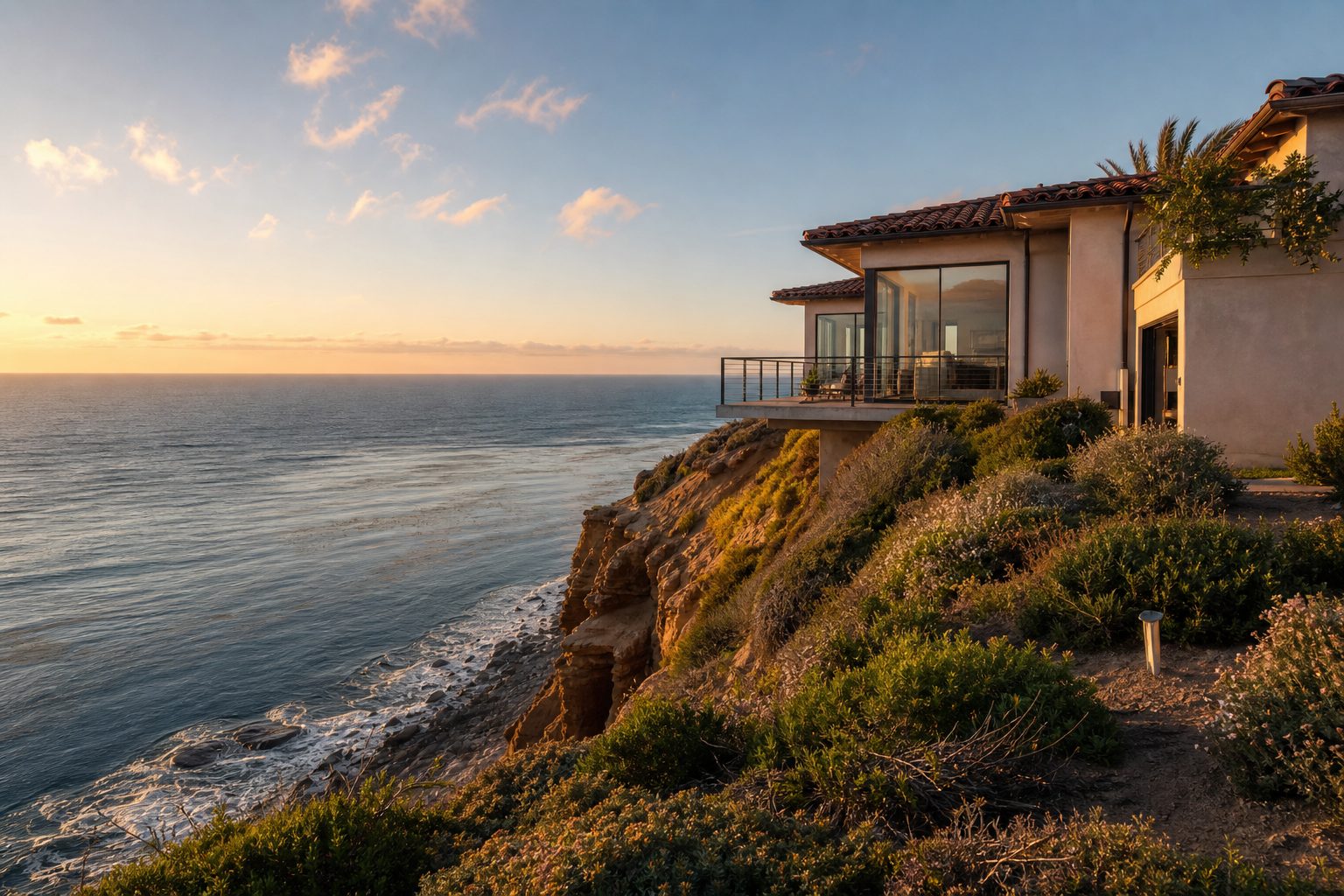
What are the real flood zone and coastal commission restrictions you need to know before buying a waterfront home in La Jolla, San Diego, in 2026?
La Jolla waterfront buyers in 2026 face new 63-64 foot bluff setback rules effective July 1, mandatory coastal development permits, FEMA flood zone insurance requirements, and ongoing California Coastal Commission oversight that directly affects what you can build, remodel, or insure.
Why La Jolla’s Coastal Regulations Changed Dramatically in 2026
If you’ve been casually browsing oceanfront listings in La Jolla, you may have noticed something strange: properties that looked like strong development opportunities six months ago now carry very different fine print. That’s because 2026 brought two seismic regulatory shifts to San Diego’s coastline.
First, the California Supreme Court issued a unanimous 7-0 ruling on April 23, 2026 (Shear Development Co., LLC v. California Coastal Commission) that limits the Coastal Commission’s ability to override local government permit approvals. Second, and working in the opposite direction, San Diego implemented updated bluff setback requirements on July 1, 2026, pushing minimum setbacks from 53-55 feet to 63-64 feet.
What does that actually mean for you as a buyer? It means the regulatory landscape is more nuanced than it has been in years. Having helped clients navigate San Diego real estate for 16 years and closing over 275 transactions, I can tell you that a cloudy mind can’t make decisions, especially when six and seven figures are on the line. So let me walk you through each restriction clearly.
How FEMA Flood Zones Affect La Jolla Waterfront Properties in San Diego
You might assume that flood zones are only a concern in low-lying areas or along rivers. In La Jolla, the reality is more complicated. Coastal flood zones along La Jolla Shores, the Beach-Barber Tract, and portions of Bird Rock carry FEMA designations that directly impact your insurance costs and financing options.
What Your Flood Zone Designation Means for Insurance
If your target property sits in a FEMA Special Flood Hazard Area (zones starting with “A” or “V”), you will be required to carry flood insurance as a condition of any federally backed mortgage. Even if you’re paying cash (and roughly 78% of La Jolla luxury transactions are cash deals), skipping flood insurance on a property in one of these zones is a gamble that most financial advisors would flag.
Here’s what I tell my clients: before you fall in love with a property along Camino De La Costa or near the La Jolla Beach and Tennis Club, pull the FEMA flood map for that specific parcel. Flood zone designations can change from one lot to the next, and the difference between Zone X (minimal flood risk) and Zone VE (coastal high hazard) can mean tens of thousands of dollars annually in insurance premiums.
One couple relocating to San Diego from the East Coast found a stunning blufftop property in Lower Hermosa. Everything looked perfect until we dug into the flood zone designation. The property sat partially in a VE zone, which required specialized coastal flood insurance on top of the already elevated premiums for a waterfront home. That single discovery shifted their budget by nearly $18,000 per year, and it changed which property they ultimately purchased.
Coastal Flood Insurance Costs You Should Expect in La Jolla
Coastal properties in San Diego often require specialized coverage for water damage and wind events. Lenders will not clear your loan to close without these policies in place. Energy and utility costs in La Jolla already run roughly 33% above the national average, and when you add flood and hazard insurance premiums to that, the true cost of ownership can surprise buyers who only looked at the purchase price.
So how do you get clarity before writing an offer? Ask your real estate broker to pull the FEMA flood zone certificate during the pre-offer research phase, not after you’re already in escrow.
The New Bluff Setback Rules That Changed Everything for La Jolla Buyers
This is the single most impactful regulatory change for La Jolla waterfront buyers in 2026, and it’s one that many buyers still don’t know about.
As of July 1, 2026, San Diego implemented new coastal bluff setback requirements of 63-64 feet, up from the previous 53-55 foot standard. The regulatory foundation comes from the California Coastal Commission’s November 2024 adoption of updated Sea Level Rise Policy Guidance.
What does this mean in practical terms? If you’re buying a property along the bluffs in Bird Rock, Windansea, or La Jolla Farms with plans to expand or remodel, you may have significantly less buildable area than the previous owner enjoyed.
The Financial Impact on Development Potential
Properties purchased with development potential under the old 53-55 foot setback standards may no longer pencil out under the new 63-64 foot requirements. Variance applications require an additional 3-6 months and $5,000 to $15,000 in application fees and professional services, with uncertain outcomes.
On top of that, geotechnical monitoring plans now require inspections at five-year intervals for a structure’s entire 75-year design life. Each inspection runs $2,500 to $5,000, totaling approximately $37,500 to $75,000 over the full period.
A recent buyer I worked with was evaluating a Bird Rock blufftop property with plans for a major remodel. The existing home was 1,957 square feet, and the proposed expansion would have brought it to 4,388 square feet. Under the old setback rules, the project had clear room. Under the new standards, the buildable envelope shrank enough that the renovation budget and design both needed a complete rethink. That’s the kind of discovery you want before closing, not after.
Grandfathering Rules: Who Is Protected
Here’s a detail that matters if you’re looking at properties with active or pending development applications. According to San Diego Development Services policy, applications deemed complete before June 30, 2026 will be reviewed under the existing setback standards. This could save property owners $50,000 to $150,000 in lost buildable area. If you’re evaluating a property where the seller has an approved or pending permit, verify which standard applies.
What the 2026 Supreme Court Ruling Means for La Jolla Coastal Development Permits
The April 23, 2026 Supreme Court ruling in Shear Development Co., LLC v. California Coastal Commission is good news for buyers planning renovations, but it’s not a blank check.
The ruling establishes that the Coastal Commission cannot override local government permit approvals when projects comply with San Diego’s certified Local Coastal Program. For properties in La Jolla, Pacific Beach, and Bird Rock, this reduces one layer of regulatory uncertainty.
But here’s what the ruling does not change:
- Coastal Development Permits (CDPs) are still mandatory for most construction, remodeling, and grading in the coastal zone
- Projects within 300 feet of the shoreline or 100 feet of wetlands still trigger Coastal Commission appeal rights
- The Soledad and La Jolla Mesa areas remain in the Coastal Act’s mapped zones
- Development timelines of 8-14 months and costs of $30,000 to $100,000+ in engineering and permitting still apply
With 180 five-star reviews from past clients, rated 5 out of 5, I’ve built my practice on providing clean information so you can make confident decisions. The Supreme Court ruling is helpful, but it doesn’t eliminate the need for thorough due diligence on every La Jolla coastal property.
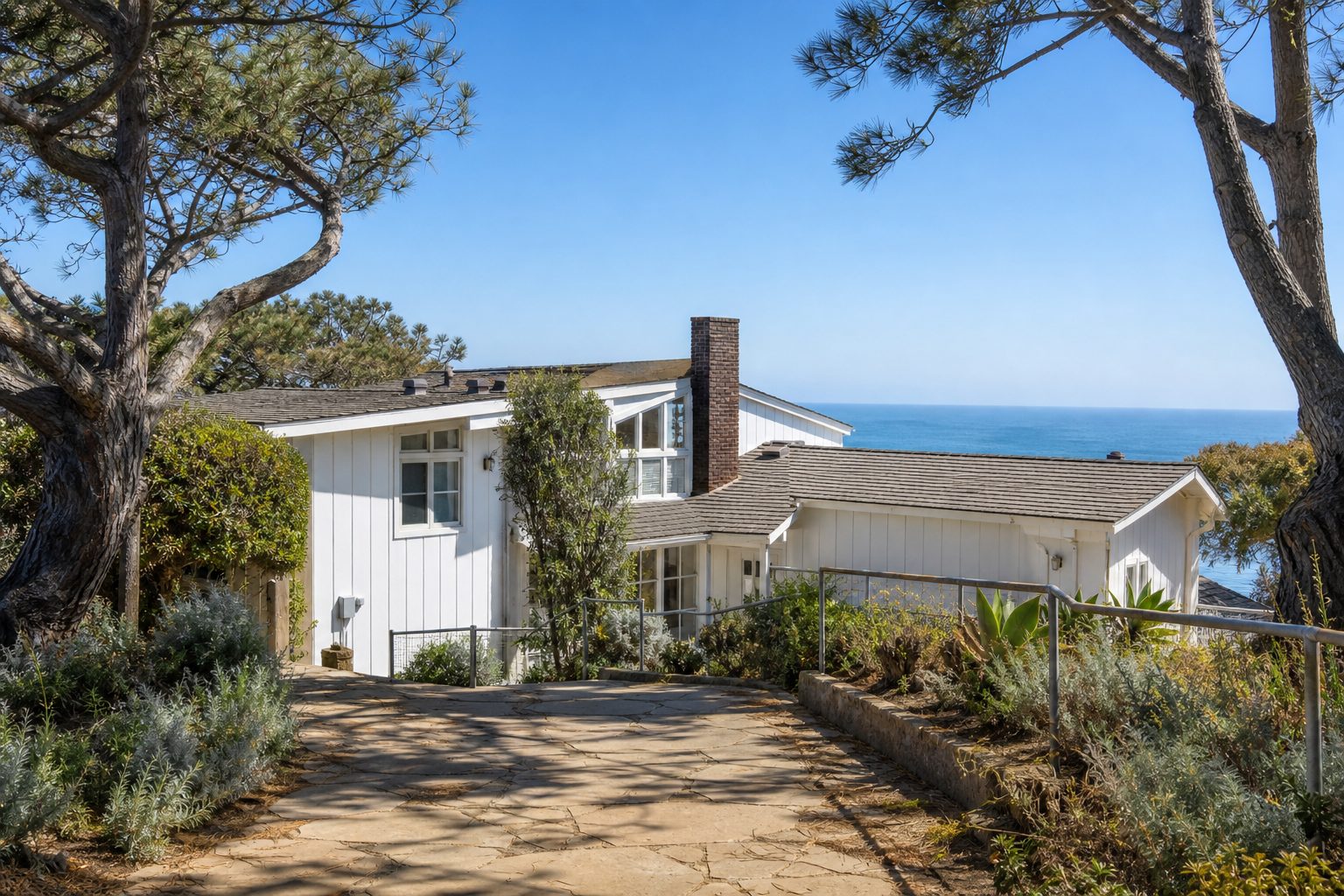
La Jolla Neighborhoods Where These Restrictions Hit Differently in San Diego
Not every waterfront pocket of La Jolla faces the same regulatory profile. Understanding the neighborhood-level differences can save you months of frustration.
- La Jolla Farms: Ultra-luxury estates with ocean views. Many parcels sit far enough from the bluff edge that the new setback rules have minimal impact, but you’ll still need CDPs for significant work.
- Bird Rock (Camino De La Costa): Blufftop properties along the immediate coastline face the highest scrutiny. The La Jolla Development Permit Review Committee actively evaluates remodel proposals here, and comprehensive geotechnical engineering reports addressing bluff stability, erosion rates, and sea level rise projections are required.
- La Jolla Shores: Some parcels near the beach carry FEMA flood zone designations that trigger mandatory flood insurance. The proximity to the shoreline also means Coastal Commission appeal rights remain active.
- Windansea: Dramatic coastline access, but properties closest to the water face both setback restrictions and flood zone considerations.
- The Village: Walkable luxury with restaurants and shops. Properties here are generally set back from the coast enough to avoid the strictest bluff regulations, though CDPs still apply.
La Jolla oceanfront listings currently show about 45 properties with a median list price of $3,495,000 and an average price per square foot of $2,926.53. Properties are averaging 88 days on market, which gives you time to do your homework.
The True Cost of Owning a La Jolla Waterfront Home Beyond the Purchase Price
When you’re evaluating a waterfront property at $5 million to $20 million, the purchase price is only the beginning. Here’s what I encourage every buyer to map out:
- Property taxes: The base rate in San Diego County is roughly 1%, but special assessment districts can push that higher
- Flood and coastal insurance: Varies dramatically by flood zone designation and proximity to the bluff
- Geotechnical monitoring: $2,500 to $5,000 every five years for the life of the structure
- Salt air maintenance: Windows, finishes, and exterior materials degrade faster in oceanfront conditions
- Permit and variance costs: $5,000 to $15,000 for variance applications; $30,000 to $100,000+ for full development permitting
- Energy and utilities: Approximately 33% above the national average in La Jolla
As an Associate Broker with REAL Brokerage and a top 1% real estate agent in San Diego, I provide all my buyers with a complimentary attorney review of contracts and disclosures, covered by me, even if escrow cancels. On a waterfront transaction, that extra layer of legal review can catch regulatory issues that standard due diligence misses.
Frequently Asked Questions
Do all La Jolla waterfront homes require flood insurance?
No. Only properties within FEMA-designated Special Flood Hazard Areas (zones A or V) require flood insurance for federally backed loans. However, even properties outside these zones can benefit from optional coverage. Pull the FEMA flood certificate for any specific parcel before making an offer to know exactly where you stand.
What is the new bluff setback requirement in La Jolla as of 2026?
San Diego implemented new coastal bluff setback requirements of 63-64 feet effective July 1, 2026. This replaces the previous 53-55 foot standard. The change directly reduces the buildable area on blufftop parcels and affects renovation plans for properties in Bird Rock, Windansea, and other bluff-adjacent neighborhoods.
Can I still remodel a La Jolla oceanfront home without Coastal Commission approval?
In most cases, no. Coastal Development Permits remain mandatory for construction, remodeling, and grading in the coastal zone. The April 2026 Supreme Court ruling limits the Commission’s override power but does not eliminate the permit requirement itself.
How long does it take to get a Coastal Development Permit in La Jolla?
Expect a timeline of 8-14 months and costs ranging from $30,000 to over $100,000 in engineering and permitting. Projects within 300 feet of the shoreline or 100 feet of wetlands face additional Coastal Commission appeal rights that can extend the process further.
What did the April 2026 Supreme Court ruling actually change for La Jolla buyers?
The unanimous 7-0 ruling in Shear Development Co., LLC v. California Coastal Commission established that the Commission cannot arbitrarily override county-approved permits when projects comply with certified Local Coastal Programs. This gives more predictability to local approvals but does not eliminate coastal permitting requirements.
Are properties with pending permits grandfathered under the old setback rules?
Yes. San Diego Development Services policy states that applications deemed complete before June 30, 2026 will be reviewed under the previous 53-55 foot setback standards. This distinction can save property owners $50,000 to $150,000 in lost buildable area.
What are geotechnical monitoring requirements for La Jolla bluff properties?
Blufftop properties now require periodic inspections at five-year intervals for the structure’s entire 75-year design life. Each inspection includes visual assessment of bluff conditions, measurement of bluff retreat, and stability evaluation, costing $2,500 to $5,000 per cycle.
How much do La Jolla waterfront homes typically cost in 2026?
Prices for La Jolla waterfront real estate typically start around $5 million and reach upward of $20 million for ultra-luxury oceanfront estates. The average price per square foot for oceanfront properties is approximately $2,926.53, with a current median list price of $3,495,000.
What extra insurance do I need for a La Jolla coastal home?
Beyond standard homeowners insurance, you may need specialized coastal flood insurance, wind damage coverage, and potentially earthquake insurance. Lenders require these policies in place before clearing your loan to close. Premiums vary significantly based on your FEMA flood zone and proximity to the bluff.
Which La Jolla neighborhoods face the strictest coastal restrictions?
Bird Rock blufftop properties along Camino De La Costa and La Jolla Boulevard face the highest regulatory scrutiny. Properties in La Jolla Shores near the shoreline carry flood zone designations. La Jolla Farms parcels generally sit farther from the bluff edge, though CDPs still apply for significant projects.
The Bottom Line
Buying a waterfront home in La Jolla in 2026 means navigating a regulatory landscape that shifted significantly this year. The new 63-64 foot bluff setbacks, ongoing Coastal Development Permit requirements, FEMA flood zone designations, and the implications of the April 2026 Supreme Court ruling all factor into your purchase decision. None of these restrictions should scare you away from La Jolla waterfront living, but they absolutely should inform how you evaluate properties, structure your budget, and plan for future improvements.
If you’re considering a waterfront purchase in La Jolla or anywhere along the San Diego coastline, I’d welcome the chance to walk you through the specifics for any property you’re evaluating. I’m Scott Cheng, Associate Broker with REAL Brokerage (DRE# 01509668), and you can reach me at 858-405-0002. A cloudy mind can’t make decisions, and my job is to bring you the clarity you need to move forward with confidence.
Have Questions About San Diego Real Estate?
Scott Cheng provides free, no-obligation consultations for buyers, sellers, and investors.
Schedule a Consultation