Disclosing Known Defects When Selling an Inherited House in North Park San Diego
Do I have to disclose known defects when selling an inherited house in North Park, San Diego in 2026, even if I never lived there?
Yes, you still need to disclose any material defects you actually know about, even if you never lived in the property. California law ties disclosure to your knowledge, not your residency.
Why This Matters Right Now in North Park
North Park’s housing market is moving fast. Single-family homes carry a year-to-date median sale price of $1,125,000, with homes selling at 100.3% of the original list price and values up roughly 12% year over year. That kind of appreciation means inherited properties in the 92104 zip code are worth significantly more than many heirs expect.
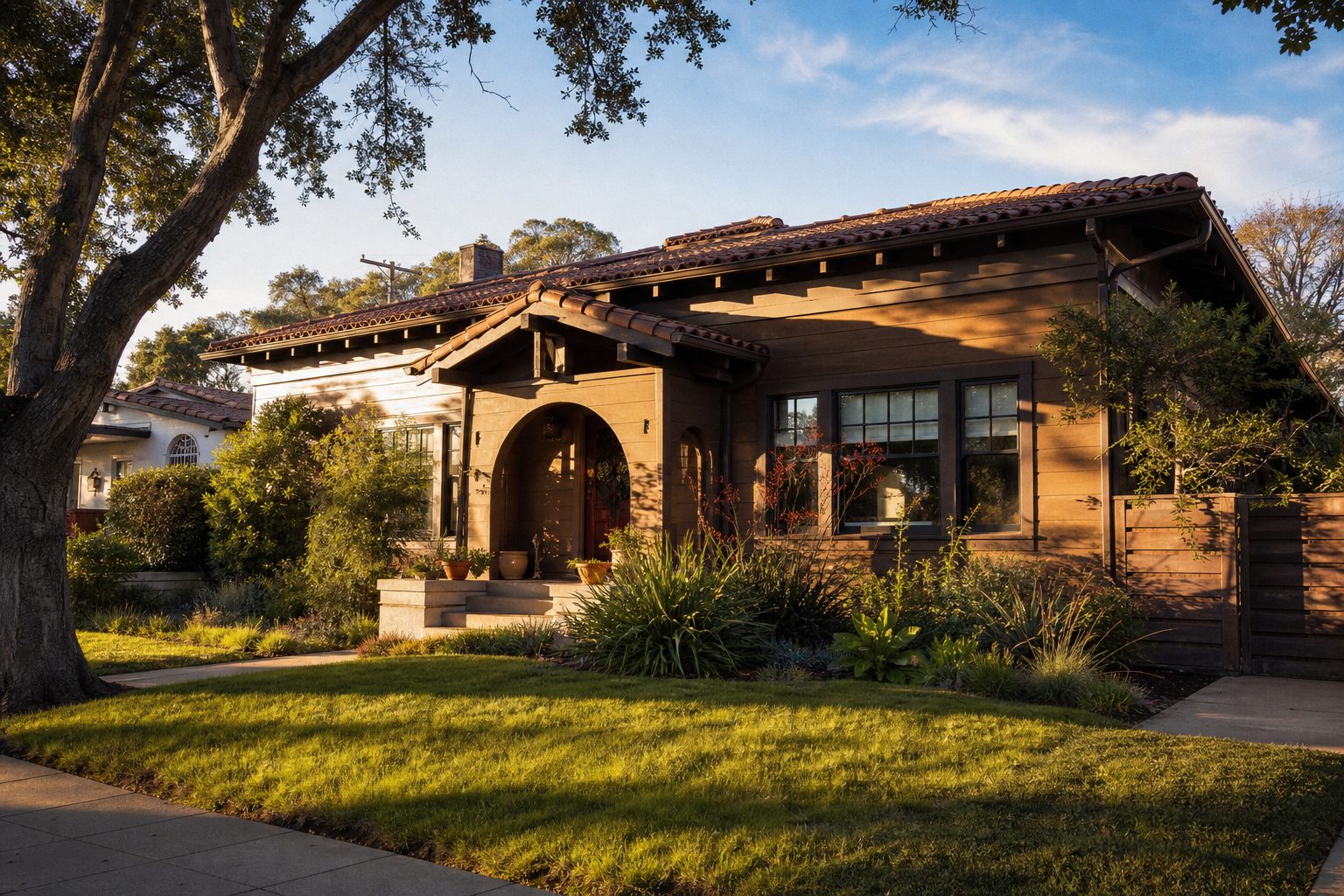
But here is the catch. High values also mean high exposure if a buyer later claims you hid something. One undisclosed defect on a North Park Craftsman bungalow along Myrtle or Pershing Avenue could lead to a contract rescission, forcing you to return the purchase price plus the buyer’s damages. With properties regularly trading above $1 million in this neighborhood, that is not a risk worth taking.
Having closed over 275 transactions across San Diego County over 16 years, I can tell you that disclosure questions come up in almost every inherited-property sale I handle. So let me walk you through exactly what you need to know.
What California Law Actually Requires When You Sell an Inherited North Park Home
California Civil Code Section 1102 requires sellers of residential properties (one to four units) to provide a Transfer Disclosure Statement, commonly called the TDS. This form asks you to identify any material conditions that could affect the property’s value, things like structural defects, building code violations, or flood zone status.
Here is where it gets nuanced for inherited properties. If you are selling through probate, the sale may be exempt from the TDS form itself. Trustee sales and probate sales often qualify for that statutory exemption.
But, and this is critical, the exemption only applies to the form. It does not erase your obligation to disclose known material defects under California common law. Even if you never complete a TDS, you are still required to share anything you actually know about the property’s condition.
What I tell my clients in this situation is simple: the form exemption is a procedural shortcut, not a permission slip to stay silent.
What Counts as “Known” When You Never Lived There
Your disclosure duty is limited to your actual knowledge. If you genuinely do not know whether the roof leaks or whether the foundation has cracks, you can mark “no representation” on those items, and that is perfectly legal.
But “actual knowledge” is broader than most people realize. It includes things like:
- Information your parent or relative told you about the house over the years
- Repair receipts or contractor invoices found in the property
- Visible damage you noticed when you visited or walked through
- Insurance claims history you discovered during the probate process
- Anything the probate attorney, appraiser, or inspector brought to your attention
One heir I worked with on a North Park property near 30th Street and North Park Way initially said she knew nothing about the house’s condition. But during our walkthrough, she mentioned that her father had complained about water pooling in the backyard for years. That counts as actual knowledge, and we disclosed it. The buyer appreciated the transparency, and the sale closed without a hitch.
New 2026 San Diego Disclosure Rules You Cannot Ignore
Effective January 1, 2026, California added two new items to the disclosure checklist. You are now required to disclose:
- Gas-powered appliances present in the home
- Whether tobacco or nicotine products have been used inside the home
For inherited properties, these are worth paying attention to. Many North Park homes were built in the 1920s and 1930s, and those classic Craftsman bungalows along Thorn Avenue and Pershing often still have original gas fixtures. If you know your relative had gas appliances, or if the gas line connections are visible, that information needs to be shared.
You also need to provide a Natural Hazard Disclosure if the property sits in a designated hazard zone. And your real estate broker is required to complete an Agent Visual Inspection Disclosure based on their own walkthrough.
Why “As-Is” Does Not Mean “No Disclosure” in North Park
This is one of the most common misunderstandings I see. Heirs assume that selling the property “as-is” removes the need to disclose anything. It does not.
California Civil Code Section 1102.1 is explicit: the delivery of a real estate transfer disclosure statement cannot be waived in an as-is sale. Selling as-is means the buyer accepts the property in its current condition. It does not give you a pass on sharing what you know.
A recent inherited-property seller in North Park came to me after another agent had told them they could skip disclosures entirely because the sale was as-is. We reversed course, ordered a pre-listing inspection, and uncovered an unpermitted bathroom addition behind the main house. We disclosed it upfront, priced accordingly, and still sold the home in under 30 days. Hiding it could have unwound the entire transaction months later.
With 180 five-star reviews and a 5 out of 5 average rating from past clients, my approach always leans toward over-disclosure. Transparency protects you legally and builds buyer confidence, which often translates into stronger offers.
The Probate Exemption and How It Works in San Diego
If the inherited property goes through probate in San Diego County (filed at the Central Division, 1100 Union Street), you may qualify for the statutory TDS exemption. But let me clarify what that means in practical terms.
When the Exemption Applies
- The sale is ordered or confirmed by the probate court
- You are acting as the personal representative under court authority
- You may use “Exempt Seller Disclosure” forms instead of the full TDS
What the Exemption Does NOT Cover
- Your common law duty to disclose known material defects
- Deaths on the property within the last three years (you are required to disclose these, and you must answer honestly if a buyer asks about deaths beyond that window)
- Environmental hazards like mold or asbestos that you are aware of
- Structural issues that were discussed, documented, or visible
If the will grants Independent Administration of Estates Act (IAEA) authority, you can sell the property without a court confirmation hearing. This typically saves two to three months and eliminates the risk of overbid situations. Under California Probate Code Section 10309, IAEA sales still require beneficiary notice but move significantly faster.
How to Protect Yourself While Selling an Inherited North Park Property
Here is my standard recommendation for every inherited-property seller I work with:
- Order a pre-listing inspection. This is the single smartest move you can make. It converts unknown issues into known, documented, and disclosed items. You cannot be liable for hiding something you proactively shared.
- Collect all paperwork from the property. Dig through closets, file cabinets, and garage drawers. Old permits, contractor receipts, insurance claims, and HOA correspondence all count as potential knowledge.
- Have an attorney review your disclosures. As part of my service, I provide a complimentary attorney review of contracts and disclosures for my clients, even if escrow cancels. That extra layer of protection is especially valuable in inherited-property sales.
- Document everything in writing. If you disclose verbally, follow it up on the disclosure form. Verbal disclosures are hard to prove later.
A cloudy mind can’t make decisions, and disclosure obligations can feel overwhelming when you are also managing grief, probate timelines, and family dynamics. That is exactly why I walk my clients through each line item, one at a time, so nothing gets missed.
Frequently Asked Questions About Inherited Property Disclosures in North Park San Diego
Do I need to disclose defects I only heard about from family members?
Yes. If a family member told you about a problem with the property, such as a leaky basement or faulty wiring, that counts as actual knowledge. You are obligated to share it on the disclosure forms, even if you never verified it personally.
Can I skip the Transfer Disclosure Statement if the sale is through probate?
You may be exempt from completing the TDS form, but you are never exempt from disclosing known material defects. California common law requires disclosure regardless of the sale type. Use Exempt Seller Disclosure forms and still list everything you know.
Does selling “as-is” eliminate my disclosure responsibilities?
No. California Civil Code Section 1102.1 states that disclosure requirements cannot be waived in an as-is sale. As-is refers to the property’s physical condition, not your obligation to share known issues with the buyer.
What happens if I fail to disclose a known defect in North Park?
Failure to disclose can result in contract rescission, meaning you may have to return the full purchase price plus the buyer’s damages. With North Park single-family homes trading around $1,125,000, the financial exposure is substantial.
Do I have to disclose a death that occurred in the inherited property?
Yes, if the death occurred within the last three years. If a buyer asks about deaths beyond that timeframe, California law requires you to answer honestly. You cannot lie, but you are not required to volunteer deaths older than three years.
What are the new 2026 disclosure requirements in California?
Starting January 1, 2026, sellers are required to disclose gas-powered appliances in the home and whether tobacco or nicotine products have been used inside. These apply to inherited property sales as well.
Should I get a home inspection before listing an inherited North Park home?
Absolutely. A pre-listing inspection converts unknown issues into documented, disclosed items. It protects you legally and gives buyers confidence, which often leads to cleaner offers and smoother escrows.
What is the Independent Administration of Estates Act and why does it matter?
IAEA authority, if granted in the will, allows the executor to sell property without court confirmation hearings. This saves two to three months and avoids overbid risk. It significantly speeds up the sale of an inherited North Park property.
Are there natural hazard disclosures required for North Park properties?
Yes. If the property is in a designated hazard zone, you must provide a Natural Hazard Disclosure. Your real estate agent also completes an Agent Visual Inspection Disclosure based on their own walkthrough of the property.
How long does probate take in San Diego County before I can sell?
San Diego County probate cases typically take 9 to 18 months. You generally need Letters of Administration before you can list the property, which usually takes a few months after filing. The filing fee ranges from $435 to $550.
The Bottom Line
You are required to disclose known defects when selling an inherited house in North Park, San Diego, even if you never lived there. The law cares about what you know, not where you slept. A probate exemption may excuse you from the TDS form, but it never excuses you from honesty. With North Park home values appreciating 12% year over year and single-family homes trading above $1.1 million, the stakes are too high to leave disclosure to guesswork.
If you are navigating an inherited property sale in San Diego and want clear, calm guidance through the disclosure process, I am here to help. I am Scott Cheng, Broker Associate with REAL Brokerage, and you can reach me at 858-405-0002. As a top 1% San Diego real estate agent with 16 years of experience, I will make sure you are protected at every step.
Have Questions About San Diego Real Estate?
Scott Cheng provides free, no-obligation consultations for buyers, sellers, and investors.
Schedule a Consultation