Weekend Heat Advisory Tips for San Diego Home Buyers This Summer
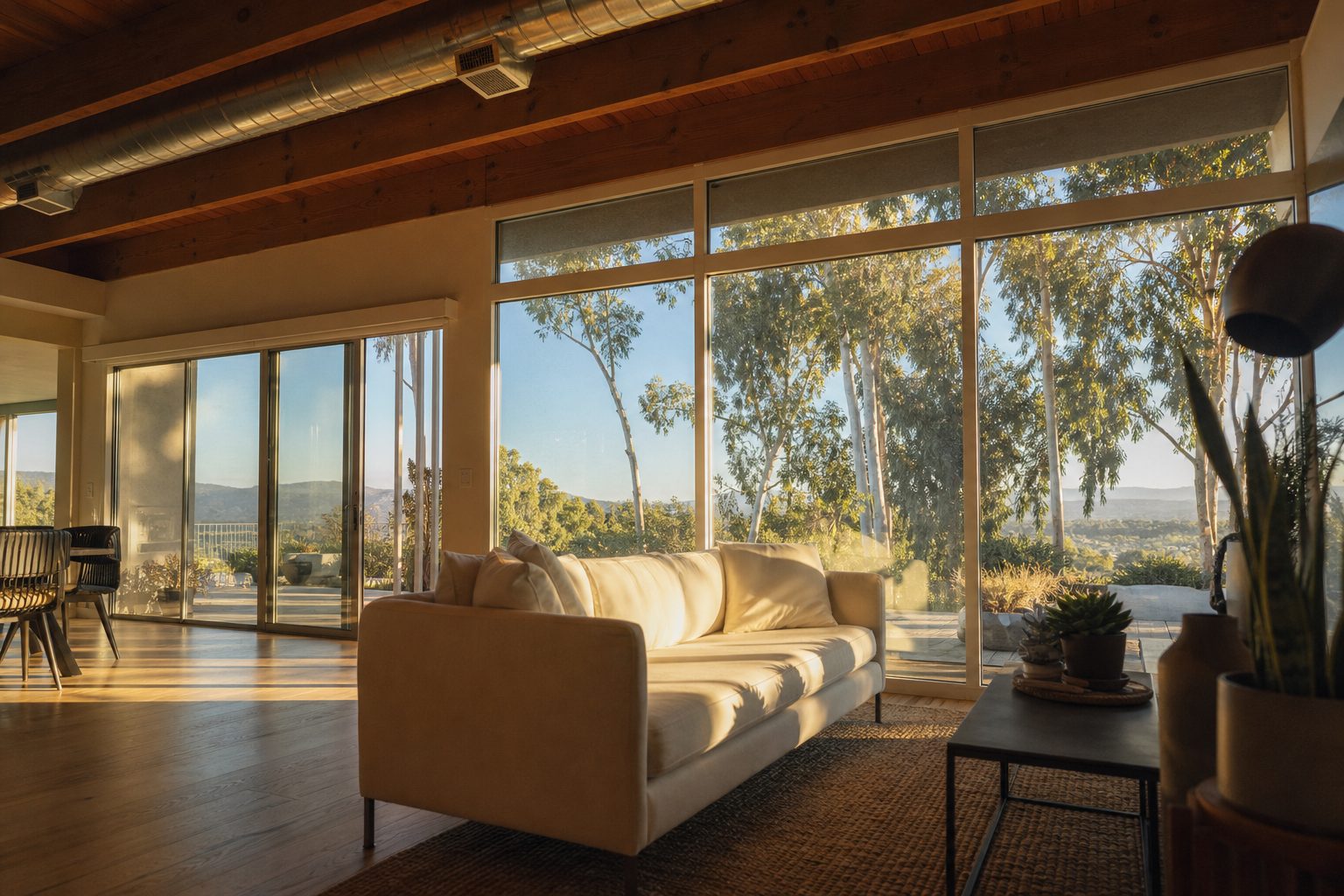
How should home buyers in San Diego handle house hunting during a weekend heat advisory?
[SNIPPET ANSWER: Use the heat advisory as a live stress test for homes you tour. Schedule showings early morning, evaluate HVAC performance in real time, and leverage lighter competition to make stronger offers on San Diego properties.]
Why This Heat Advisory Matters for San Diego Home Buyers Right Now
A heat advisory is officially in effect across the San Diego region through Sunday evening, August 2. Temperatures are expected to soar well above average, with inland valleys reaching up to 103 degrees and coastal areas pushing into the high 80s and low 90s. The City of San Diego has designated several recreation centers, libraries, and public buildings as cooling zones where residents and their service animals can seek relief. Officials are also urging hikers to exercise extreme caution on Open Space trails.
If you’re actively house hunting this weekend, this is not a reason to stay home. It’s actually a reason to be strategic. In my 16 years as a San Diego real estate broker, I’ve seen heat events like this reveal more about a home in 20 minutes than a standard inspection report covers in 20 pages. A cloudy mind can’t make decisions, so let me give you a clear plan for turning this heat wave into your advantage.
How San Diego’s Heat Advisory Creates a Real-World Home Stress Test
Here’s what I tell my clients when a heat event lines up with their showing schedule: this is a gift. You’re seeing every home under the most demanding conditions it will face all year.
When the temperature hits triple digits in Scripps Ranch or climbs into the 90s in North Park, you immediately learn whether a home’s HVAC system can keep up. Uneven cooling between rooms, unusual sounds from the unit, and a system that runs continuously without bringing the temperature down are all red flags that might not surface on a mild 72-degree afternoon.
One family I worked with last summer was touring a home in Scripps Ranch near Pomerado Road during a similar heat event. The listing looked great on paper, but inside, the upstairs bedrooms were nearly ten degrees warmer than the main floor. That observation gave us leverage to negotiate a $12,000 credit toward a new HVAC system. Without the heat, they might not have noticed until after closing.
Here’s a critical data point to keep in mind: nearly 26% of San Diego County homes don’t have air conditioning. If you’re looking at properties in neighborhoods like North Park, where many homes were built decades ago, you need to know whether the home has central air, a mini-split system, or no cooling at all. That distinction matters more on a 98-degree Saturday than it ever will on a listing sheet.
What to Check Inside Every Home You Tour This Weekend
- HVAC performance: Is the home cool when you walk in? Are there rooms that feel significantly warmer? Ask for the age of the system. Units typically last 12 to 17 years.
- Insulation and windows: Energy-efficient windows and upgraded insulation directly affect comfort and your long-term utility costs, especially with SDG&E rates.
- Shade and landscaping: Mature trees and strategic landscaping can meaningfully reduce indoor temperatures. Look for homes with west-facing shade coverage.
- Roof condition: Older roofs absorb more heat. Cool roof materials reflect sunlight and reduce attic temperatures.
- Solar panels: These help offset energy costs during peak summer months, a real consideration given San Diego’s rate structure.
Touring Homes Safely in San Diego’s Extreme Heat
Your health comes first. The National Weather Service is advising everyone to drink plenty of fluids, stay in air-conditioned spaces, stay out of direct sun, and check on relatives and neighbors. That advice applies double when you’re walking in and out of homes all afternoon.
Here’s my recommendation for scheduling showings this weekend:
- Book early: Try to schedule all your tours before 10 AM. Late morning through early evening is the danger zone for heat-related illness.
- Limit your list: Instead of touring six or seven homes, narrow it to your top three. You’ll be more focused and less fatigued.
- Carry water and electrolytes: Headaches, dizziness, nausea, and leg cramps are early signs of heat illness. If you notice any of these, move to a cool space immediately.
- Know the cooling zones: The City of San Diego has designated multiple recreation centers, libraries, and public buildings as cooling zones. If you’re between showings and need relief, several San Diego Public Library branches are available.
What does this look like in practice? If you’re touring a home along University Avenue and 30th Street in North Park, Switzer Canyon’s trails nearby are exactly the kind of route officials are urging people to avoid this weekend. Skip the post-showing nature walk and head to Caffe Calabria or Delah Coffee instead, where you can regroup in air conditioning while reviewing what you just saw.
How Coastal vs. Inland San Diego Neighborhoods Handle the Heat Differently
This is something I walk every relocating buyer through, especially those coming from climates where air conditioning is standard in every home. San Diego’s temperature spread during a heat event can be dramatic.
Coastal neighborhoods may sit in the high 70s and low 80s this weekend. Ten to fifteen miles inland, you could be looking at temperatures in the mid-90s. Communities like Scripps Ranch, where the median home price sits at $1.6 million and inventory is at just 1.2 months of supply, will feel significantly different than a beachside condo.
A couple I helped relocate from the Pacific Northwest last year had their hearts set on Scripps Ranch for the schools and the eucalyptus-lined streets. When they toured during a heat event, they were surprised by how hot it got compared to coastal areas they had also visited. We talked through the tradeoff: Scripps Ranch offers larger lots, strong community, proximity to I-15 employment corridors, and sellers there are currently getting 99.2% of asking price. But the home needed solid HVAC and good window placement to stay comfortable through July and August.
In North Park, single-family homes sit around $1.05 million with 44.4% of homes selling above asking price. The walkability is exceptional, with a Bike Score of 86 out of 100. But many of these older homes were built before air conditioning was a standard feature. That’s not a dealbreaker, but it’s information you need before you commit.
By 2040, climate projections suggest San Diego’s average daily high could climb by 5 degrees Fahrenheit, with heat wave frequency increasing by 20% to 50% by 2100. The home you buy today needs to handle tomorrow’s temperatures.
Why Smart San Diego Buyers Use Heat Waves as Negotiation Leverage
Here’s the strategic angle most buyers miss. Heat advisories thin out open house traffic. Fewer competing buyers means less bidding pressure. When detached home inventory is already down 26.1% compared to last year and the median days on market in San Diego County is just 18 days, any edge matters.
If you tour a home this weekend and the HVAC struggles, you have concrete, firsthand evidence to support a request for repair credits or a price reduction. That’s not a hypothetical concern on a home inspection report. It’s something you experienced standing in the living room.
Having closed over 275 transactions across San Diego County, I can tell you that this kind of real-time observation carries weight in negotiations. Sellers and their agents understand the difference between a theoretical concern and a documented performance issue.
San Diego Market Context for Buyers Making Decisions This Summer
The broader numbers help frame your decision. According to the U.S. Census Bureau, San Diego County’s population and economic indicators shape the housing market dynamics. The county median sale price reached $925,000 in May 2026, up 1.3% year over year. Detached homes are at a median of $1,125,000, up 5.1%. Mortgage rates are hovering around 6.48% for a 30-year fixed, and San Diego County’s conforming loan limit is $1,104,000, which gives many buyers access to conventional financing even at higher price points.
What does that mean for your weekend? The market is competitive but not frenzied. Buyers are adapting to the current rate environment, and homes are going under contract within 21 to 34 days on average. If you find a property that passes the heat test, you’re in a strong position to move confidently.
Frequently Asked Questions
Is it safe to tour homes in San Diego during a heat advisory?
Yes, with precautions. Schedule showings before 10 AM, drink water consistently throughout the day, and limit the number of homes you visit. If you feel symptoms like dizziness, nausea, or cramping, move to a cool space immediately. The City of San Diego has multiple cooling zones open at libraries and recreation centers.
How hot will San Diego get this weekend?
Coastal areas will see temperatures in the 70s and 80s. Inland valleys could reach up to 103 degrees. Saturday is expected to be the hottest day, as the heat dome expands westward across the region.
What percentage of San Diego homes lack air conditioning?
Nearly 26% of San Diego County homes don’t have air conditioning. This is especially common in older neighborhoods like North Park and parts of Clairemont Mesa. I always flag this for buyers during summer showings.
How can I tell if a home’s HVAC system is struggling during a heat wave?
Look for rooms that feel significantly warmer than others, listen for unusual sounds or rattling from the unit, and notice whether the system seems to run continuously without reaching a comfortable temperature. These are signs the system may be undersized or near the end of its lifespan.
Should I avoid buying a home without air conditioning in San Diego?
Not necessarily, but factor in the cost of adding a system. Mini-splits, central air installation, and cool roof upgrades all vary in price. This is where I help clients evaluate renovation ROI so the numbers make sense before closing.
Does extreme heat affect home prices or negotiations in San Diego?
It can. If an HVAC issue surfaces during a heat wave showing, you have real-world evidence to request credits or a price adjustment. Lighter open house traffic can also reduce competition, giving you more room to negotiate.
What are San Diego cooling zones and where are they located?
The City has designated several recreation centers, libraries, and public buildings as cooling zones. These are air-conditioned spaces open to residents and their service animals during heat advisories.
Is North Park a good neighborhood for home buyers in San Diego?
North Park is one of San Diego’s most vibrant walkable neighborhoods, with single-family homes around $1.05 million and condos starting near $600,000. The 30th Street corridor offers incredible dining and culture. Schools are decent but not top-ranked compared to Scripps Ranch or Carmel Valley.
Is Scripps Ranch worth the higher price point for families?
Scripps Ranch has a median price of $1.6 million with just 1.2 months of supply. Families value the community feel, proximity to I-15, and strong schools. The tradeoff is higher inland temperatures during summer heat events.
How long do San Diego homes stay on the market in summer 2026?
The median days on market countywide is 18 days as of June 2026, down from 21 days last year. Homes priced well in desirable neighborhoods are moving quickly.
The Bottom Line
This weekend’s heat advisory is not a reason to pause your San Diego home search. It’s a reason to be prepared, strategic, and observant. Schedule early, stay hydrated, and use every showing as a live performance test for the home’s cooling systems, insulation, and overall comfort.
When you’re ready to explore what to look for in your first San Diego home purchase, I’m here to help you navigate the nuances of neighborhoods and market conditions. With 180 five-star reviews and 16 years helping buyers navigate San Diego’s micro-markets, I’m here to help you see beyond the listing photos and understand what a home will actually feel like to live in, on the hottest day of the year and every day after. If you’re touring homes this weekend or planning your next move, call me at 858-405-0002 or visit my office at 16516 Bernardo Center Dr. Ste. 300. I’m Scott Cheng, Associate Broker with REAL Brokerage, and I’d love to help you find your home in San Diego.
Have Questions About San Diego Real Estate?
Scott Cheng provides free, no-obligation consultations for buyers, sellers, and investors.
Schedule a Consultation