

Best Closing Attorneys for Home Sellers in Coronado San Diego 2026: Reviews & Tips
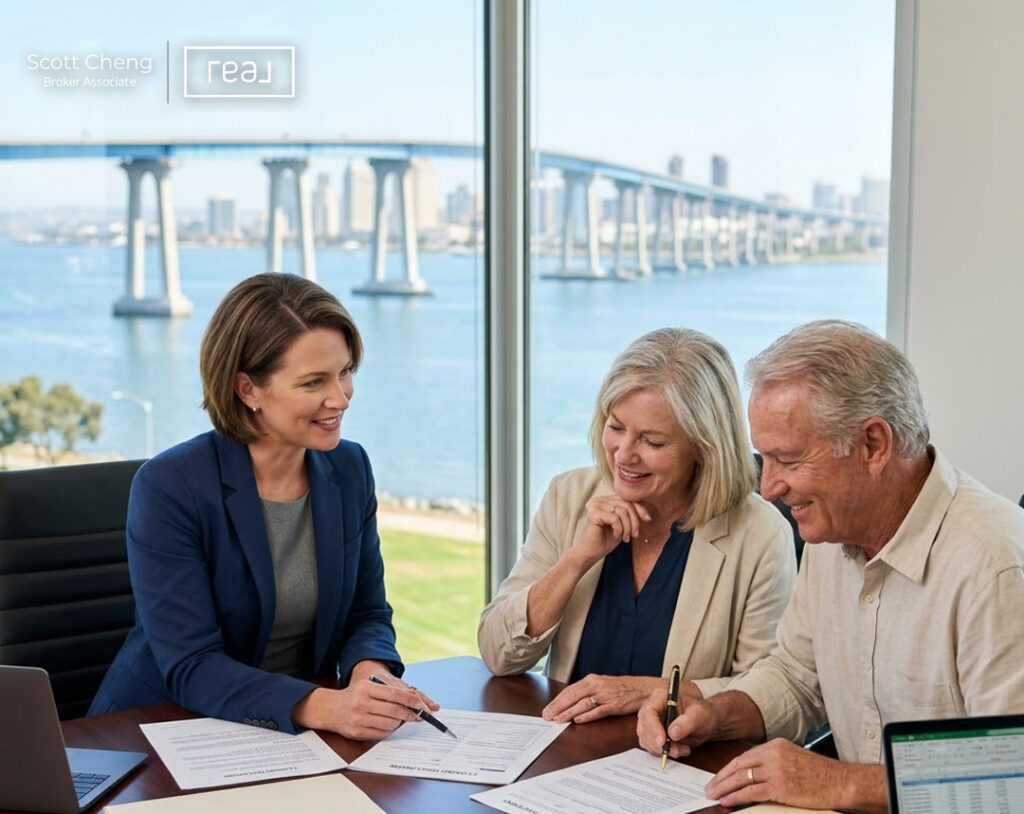
Best Closing Attorneys for Home Sellers in Coronado San Diego 2026: Reviews & Tips
What are the best closing attorneys for home sellers in Coronado San Diego in 2026, and how do you choose one to minimize fees before finalizing your upgrade?
The best closing attorneys for Coronado sellers combine California escrow fluency, transparent flat fees, and fast turnaround. Compare three local specialists, verify San Diego County track records, and negotiate a capped fee to protect your net.
Why Do Closing Attorneys Matter for Coronado Home Sellers Right Now?
A sharp closing attorney protects your bottom line by preventing last-minute credits, title defects, and disclosure missteps. You are selling into a 2026 market that still favors sellers, but your net proceeds depend on clean execution.
Local MLS and association data for early 2026 show a county median price near $900,000, roughly 2.0 months of inventory for detached homes, and average marketing times near 28 days. That means you can achieve strong pricing if you avoid costly delays and surprises in escrow. Your timing could also affect your next purchase if you are upgrading in San Diego or nearby communities like Chula Vista and Imperial Beach. Choosing the right legal partner keeps you on schedule, reduces unnecessary fees, and preserves negotiating leverage when buyers ask for repairs or concessions.
What Do You Need to Know Before Hiring a Closing Attorney in Coronado?
You are not required to hire a real estate attorney to sell a home in California, but a closing attorney can be the difference between a smooth, on-time sale and a costly detour when your file has complexity.
Escrow and title companies facilitate most residential closings. In coastal cities like Coronado, common legal friction points include coastal zone disclosures, encroachments and easements, unpermitted improvements, trust or estate ownership, short-term rental history, and HOA document compliance for condos.
You should expect two types of fee structures. Many attorneys offer flat fee packages for standard residential sellers, often $1,500 to $3,500 for contract-to-close support. Others bill hourly at $350 to $600 plus for senior counsel, with paralegal time at $125 to $200. Add-ons you should price in advance include 1031 exchange review, entity or trust documentation, power of attorney drafting, and solar or UCC lien releases. Outside legal costs to forecast include escrow and title charges, documentary transfer tax, HOA document delivery, and the natural hazard disclosure report.
Your goal is not just to have an attorney. Your goal is to hire a Coronado-savvy specialist who works quickly with your escrow officer, title company, real estate agent, and, if relevant, a 1031 intermediary. You protect your net when your legal team is laser focused on clearing issues before buyers weaponize inspections or HOA disclosures to demand credits.
When You Should Absolutely Bring In an Attorney
- You are selling from a trust, estate, or probate.
- You are completing a 1031 exchange or considering the primary residence exclusion strategy.
- Your property has open permits, additions, or ADU work that needs documentation.
- You have tenant-occupied or short-term rental history and need clean notices or estoppels.
- There is a boundary, easement, or encroachment question.
- You have solar leases, PACE liens, UCC filings, or HERO financing to satisfy.
- You are negotiating complex repair credits or post-occupancy terms.
- You are selling through an LLC or other entity and need resolutions and consents.
How Do You Compare Closing Attorney Options in San Diego?
You want specialization, speed, and cost predictability. Start with a targeted shortlist and push for apples-to-apples quotes that include scope, turnaround times, and a cap on billables.
You should evaluate closing attorneys the same way you evaluate top San Diego real estate agents and the best real estate broker San Diego has to offer. Look at experience where it matters. Coronado properties often involve HOA or coastal considerations. Chula Vista and Eastlake frequently involve Mello Roos and supplemental tax questions. Downtown San Diego condos require careful review of building litigation histories and budgets. An attorney who routinely handles these nuances will save you time and credits.
Insist on written communication standards. You want guaranteed response within one business day, real-time document markup on purchase agreements and addenda, and scheduled check-ins tied to escrow milestones. Ask for actual examples of risk memos or issue logs used with sellers like you.
Top reviews often cite clarity and efficiency. Look for patterns in feedback about fixed-fee transparency, strong coordination with escrow and title, and successful management of inspection demands without unnecessary concessions. Verify they carry robust errors and omissions coverage and confirm who does the work day-to-day. Senior oversight is great, but you need a responsive associate or paralegal on the file.
Key factors to evaluate:
- Specialization and volume in San Diego County closings with recent Coronado files
- Fee structure with an all-in flat fee or a not-to-exceed cap and clear add-ons
- Turnaround times for contract review, HOA doc summaries, and repair amendments
What Is the Step-by-Step Process for Hiring the Right Closing Attorney in Coronado?
Follow these eight steps to select and engage the best closing attorney for your Coronado sale and protect your net proceeds from start to finish.
1) Define your risk profile. List known issues such as permits, solar, HOA assessments, trust ownership, or an upcoming 1031 exchange. Decide if you need full contract-to-close or targeted review.
2) Build a 3-attorney shortlist. Prioritize firms with recent Coronado seller transactions and proven coordination with local escrow officers. Ask your real estate agent San Diego CA based for names known to close on time.
3) Request identical scopes. Ask each for the same deliverables: purchase agreement review within 24 hours, HOA doc memo within 72 hours of receipt, repair amendment strategy session within 24 hours of inspection, weekly status updates, and closing statement review 72 hours before signing.
4) Compare quotes side by side. Price the flat fee and add-ons: trust or entity review, 1031 exchange coordination, solar lien release, power of attorney, and mobile notary. If hourly, ask for a cap and a written estimate with time allocations by task.
5) Check reviews and references. You want recent San Diego condo and single-family sellers who closed in 2025 or 2026. Ask what issues came up and how the attorney prevented last minute credits or delays.
6) Lock the engagement letter. Confirm the responsible attorney, response-time guarantees, scope limits, and fee caps. Add a right to switch to flat fee if hourly time nears the cap.
7) Kick off with a risk memo. Share your disclosures, inspection pre-reports, permits, and HOA documents. Ask for a one-page risk summary with recommended cures and deadlines that align with contingency periods.
8) Track milestones. Tie attorney deliverables to contingency dates. Use a single email thread with your escrow officer, title rep, and real estate broker San Diego based to keep everyone aligned on next steps.
What Does the Coronado and Greater San Diego Market Look Like for Sellers in 2026?
San Diego County has settled into 2 to 3 percent annual price growth, with pendings outpacing new supply — conditions that still favor sellers who avoid costly escrow surprises.
Local data shows many 2025 transactions closed with concessions, so your best move is to neutralize issues before they become credits. In Coronado, you often see coastal hazard disclosures, potential flood and erosion discussions, and HOA complexity for condos and townhomes. A closing attorney who knows local building histories and city permitting patterns will help you address unpermitted work, clarify short-term rental policies, and streamline HOA demand orders. In nearby Downtown San Diego, condo litigation histories and special assessments are common review points, while in Chula Vista and Otay Ranch you should expect attention on Mello Roos, supplemental taxes, and HOA reserve funding.
You should budget for typical seller-paid items in San Diego County that often include the owner’s title policy and documentary transfer tax, along with HOA document fees and the natural hazard disclosure report. Escrow fees vary by company and sale price. Your attorney can review these fee quotes and ensure your net sheet is accurate before you price your home with a top realtor in San Diego. When your legal, escrow, and top real estate teams in San Diego row in the same direction, you close faster and keep more of your proceeds for your upgrade.
Neighborhoods to consider in San Diego:
- Coronado: Premium coastal community with beach access and walkability. Prices reflect high demand, and HOA-managed condos require tight document review.
- Carmel Valley vs Rancho Bernardo: Median sale price around the low $1 million range per recent MLS trends, strong schools, and newer construction that often means clearer permit records.
- Rancho Bernardo: Median near $900,000 per local MLS, popular with families, master-planned neighborhoods, and HOA structures that benefit from early document ordering and summary reviews.
Nearby Areas Worth Exploring
- Imperial Beach: More affordable coastal alternative near Coronado. You get a relaxed beach lifestyle, shorter commutes into South Bay, and simpler single-family properties that often need focused permit checks and coastal disclosures.
- Chula Vista: Eastlake and Otay Ranch offer newer homes, strong amenities, and family-focused neighborhoods. You should ask your attorney to review Mello Roos, HOA budgets, and any builder litigation history that could affect buyer financing.
- Downtown San Diego: High-rise condos close to employment centers and transit. Your attorney should vet HOA litigation, special assessments, and budget reserves to prevent buyer re-trades during contingency periods.
What Do Most Sellers Get Wrong When Hiring a Closing Attorney in Coronado?
Most sellers assume escrow replaces the need for an attorney, but escrow is neutral and does not advocate for your net. Hiring too late and skipping fee caps are the two most expensive mistakes.
You might assume escrow replaces the need for an attorney. Escrow is neutral and processes the transaction. An attorney advocates for you, spots legal risk, and negotiates language that protects your net. You also might wait to retain counsel until buyers have already teed up large credits. At that point your leverage is limited. Bringing in an attorney before listing lets you cure known issues and structure addenda that keep the deal on track.
Another common mistake is hiring on hourly terms without a cap. That creates fee uncertainty and stress during critical negotiation windows. You also do not want to skip HOA document analysis in condo sales. A short memo that translates budgets and reserves into plain English can prevent outsized buyer credits. Finally, many sellers forget to align legal timelines with 1031 exchange windows or the primary residence exclusion rules. A coordinated plan with your real estate agent San Diego based, your escrow team, and your attorney ensures both tax strategy and closing milestones stay synchronized.
Frequently Asked Questions
Do you need a closing attorney to sell your home in Coronado?
You are not required to use an attorney in California residential sales. Escrow and title handle most tasks. You should bring in an attorney when your file has complexity such as trusts, 1031 exchanges, HOA litigation, solar liens, encroachments, or tenant issues.
How much do closing attorneys cost in San Diego, and how do you minimize fees?
You can expect flat fees around $1,500 to $3,500 for standard sales or hourly rates of $350 to $600 plus. Minimize costs by scoping work tightly, asking for a not-to-exceed cap, bundling add-ons upfront, and avoiding rush work by ordering HOA and permit records early.
Does this advice apply to nearby areas like Imperial Beach and Chula Vista?
Yes. The same process works in Imperial Beach and Chula Vista. Adjust for local details. Coastal disclosures matter in Imperial Beach. Mello Roos and HOA budgets deserve extra review in Chula Vista. Use the same comparison framework and insist on clear fee caps.
Can your escrow officer handle everything instead of a closing attorney?
Escrow coordinates signatures, funds, and compliance. Escrow is neutral and does not give legal advice or negotiate for you. An attorney can refine contract language, resolve title or boundary issues, and structure amendments so you avoid unnecessary credits.
What other seller closing costs should you plan for in San Diego County?
You should plan for escrow and title fees, documentary transfer tax, HOA document and demand fees for condos, and the natural hazard disclosure report. Termite work and repair credits are negotiable. Your attorney can review quotes and verify your net sheet.
The Bottom Line
You protect your proceeds in Coronado by hiring a closing attorney who knows California escrow practice, prices with transparency, and works quickly with your escrow, title, and real estate teams. Compare three local specialists, verify Coronado and San Diego County case histories, and lock a fee cap with defined turnaround times. That approach keeps you ahead of inspection and HOA hurdles, reduces concessions, and preserves leverage for your upgrade. Whether you are focused on Coronado or considering nearby Imperial Beach and Chula Vista, the same selection framework and fee strategies apply. Choose expertise, demand speed, and insist on cost predictability to close confidently and keep more of your equity.
If you are ready to explore your options for hiring the right closing attorney for your Coronado sale or nearby communities, Scott Cheng at Scott Cheng San Diego Realtor can walk you through the specifics for your situation.
📞 858-405-0002 DRE# 01509668